
The US Navy has introduced an ambitious three-decade shipbuilding blueprint focused on expanding the fleet beyond 450 ships in the early 2030s while implementing sweeping acquisition reforms and strengthening America’s maritime industrial infrastructure. The Navy currently fields 291 battle force ships, well short of the statutory requirement of 355 vessels, with officials attributing limited fleet growth over the past two decades to escalating costs, delayed programs, and constantly evolving requirements despite rising defense budgets.
Anchored by a proposed fiscal year 2027 budget request of $65.8 billion, the strategy outlines extensive investments across conventional and autonomous naval platforms. From fiscal years 2027 through 2031, the Navy plans to spend $77.8 billion on surface combatants, including seven Arleigh Burke-class destroyers, four frigates, and three future Trump-class nuclear-powered battleships.
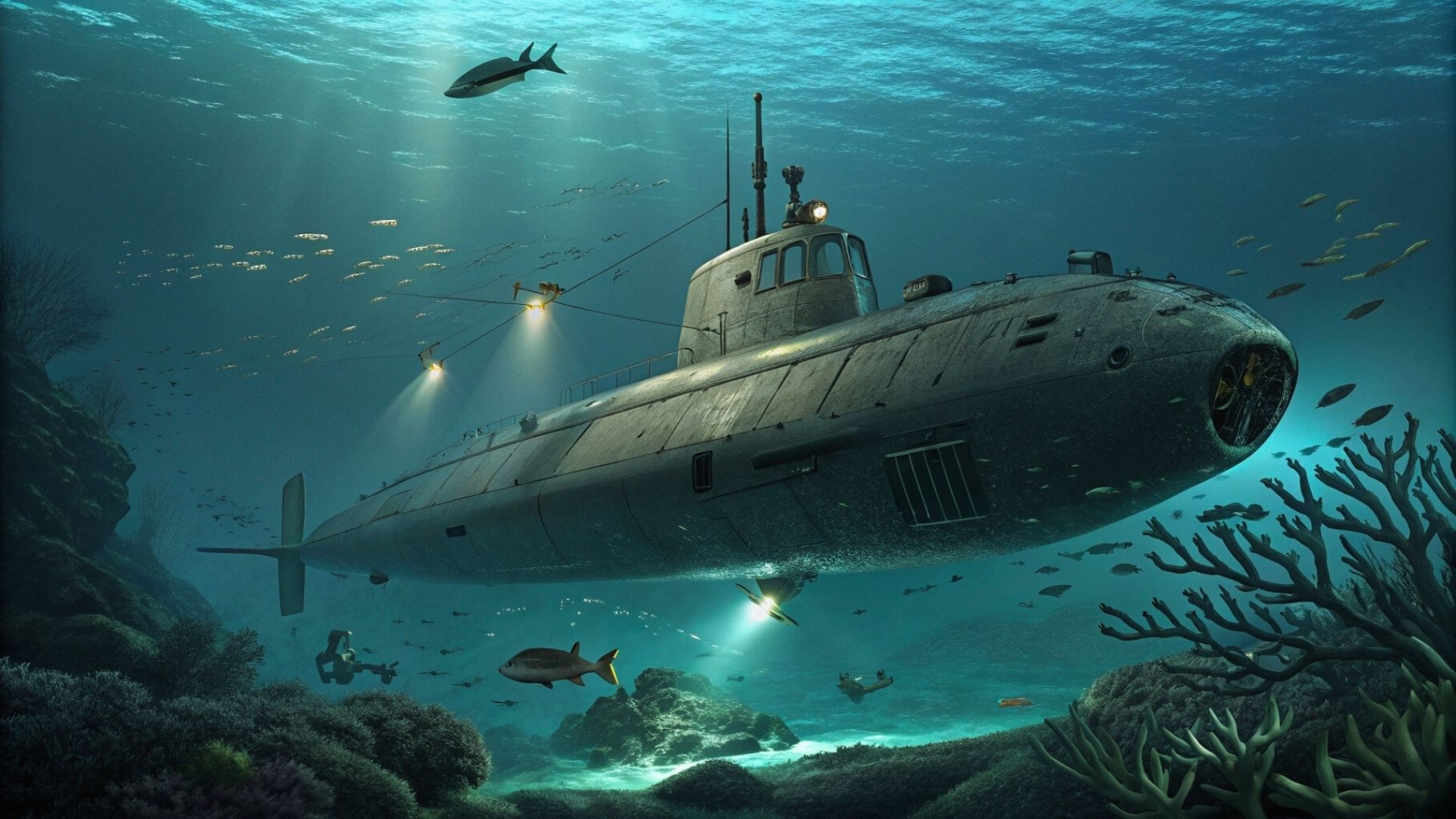
Undersea warfare capabilities will receive substantial funding, with $124.9 billion allocated for the construction of five Columbia-class ballistic missile submarines and 10 Virginia-class attack submarines. The Navy aims to raise production rates to one Columbia-class and two Virginia-class submarines annually by 2031. Carrier aviation programs will receive $22.3 billion, supporting accelerated acquisition of Gerald R. Ford-class carrier systems.
The plan further allocates $29.3 billion for amphibious warfare ships, including landing platform docks, landing helicopter assault vessels, and medium landing ships. Another $15 billion will support procurement of auxiliary and logistics ships, alongside investments in unmanned systems such as 47 medium unmanned surface vessels and 16 extra-large unmanned underwater vehicles, reflecting the Navy’s growing focus on autonomous maritime operations.
To address shipyard capacity limitations, the Navy intends to expand cooperation with allied shipbuilders and attract foreign investment. Under the proposed framework, overseas shipyards could manufacture non-sensitive hull modules for destroyers, amphibious assault ships, and future battleships, while US shipyards would retain responsibility for final assembly and integration of classified technologies. The Navy is also pursuing authorization to construct up to two auxiliary vessels abroad and continue selective overseas maintenance support for deployed fleets.
The strategy includes major acquisition reforms centered on modular ship designs and distributed manufacturing, with the Navy seeking to increase distributed shipbuilding participation nationwide from 10 percent to 50 percent. Oversight responsibilities will be reorganized under new Portfolio Acquisition Executive offices dedicated to Maritime, Undersea, and Robotics and Autonomous Systems programs. Officials also emphasized stronger contractor accountability and tighter management of changing requirements to reduce delays and cost escalation.
The Navy added that modernization efforts will be supported by ShipOS, a newly introduced artificial intelligence-driven platform designed to streamline shipbuilding and maintenance planning. According to officials, early testing demonstrated dramatic efficiency gains, reducing submarine schedule planning work from roughly 160 manual hours to under 10 minutes.