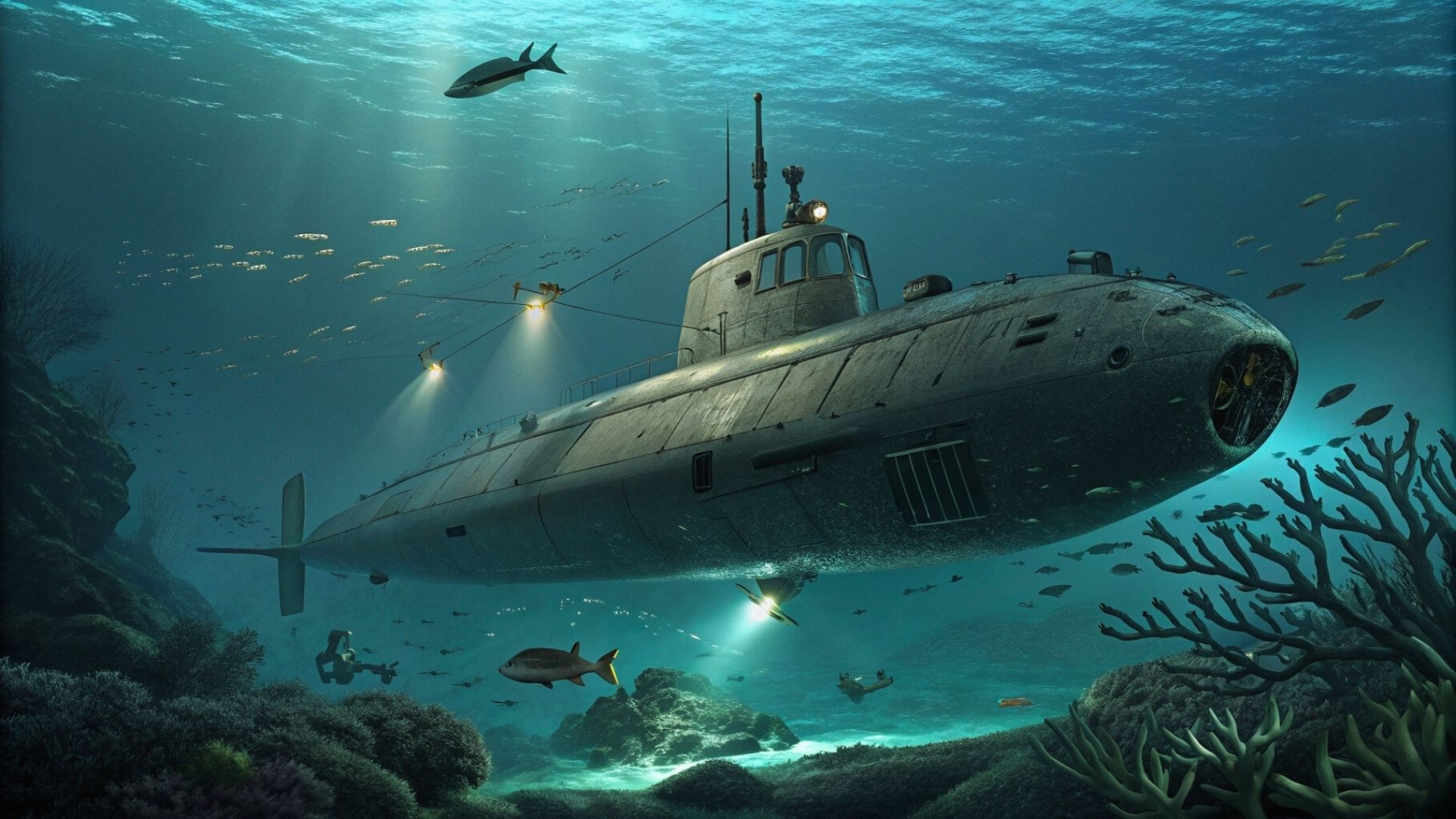

France’s Naval Group has launched sea trials for the fourth Barracuda-class nuclear attack submarine built for the French Navy.
The testing campaign will evaluate the operational readiness of De Grasse (S638) before its scheduled commissioning in 2026. The trials follow months of pier-side system checks conducted after the vessel’s 2025 launch, including the start-up of its nuclear propulsion reactor.
Modernizing France’s Submarine Fleet
The Barracuda, or Suffren-class, program began in the early 2000s as part of France’s effort to replace its Rubis-class nuclear attack submarines that date back to the 1980s.
The initiative will ultimately deliver six submarines, all expected to achieve full operational capability by 2030. Each platform is projected to serve for approximately three decades. Three units have already entered service between 2022 and 2025, while the remaining submarines are at different stages of outfitting and testing.
Capabilities and Performance
Each Barracuda-class submarine stretches 100 meters in length with a 9-meter beam and is designed to carry a crew of 60 sailors.
Propulsion is provided by a K15 nuclear reactor rated at about 200,000 horsepower, complemented by twin turbo generators, emergency diesel generators, and an advanced pumpjet system for quiet operations.
The submarine integrates sophisticated sensor arrays for navigation and defense and is armed with a mix of land-attack missiles, anti-ship missiles, heavyweight torpedoes, and deployable mines.
It can operate at depths exceeding 350 meters, reach speeds above 25 knots, and sustain missions lasting up to 70 days without resupply.