
India’s CATS Warrior loyal wingman program is undergoing significant upgrades in artificial intelligence and autonomy, with Hindustan Aeronautics Limited (HAL) advancing its Manned-Unmanned Teaming architecture to enable greater operational independence for the drone. These enhancements are driven by lessons from recent conflicts and the increasing complexity of modern battlefields.
The program’s next phase aims to evolve the Warrior from a remotely operated support system into a semi-autonomous platform capable of independent tactical decision-making. Central to this transformation is the integration of Autonomous Tactical Decision-Making software, allowing the drone to identify threats, prioritize actions, and execute maneuvers without continuous input from its parent aircraft, such as the Tejas, Rafale, or future AMCA.
While traditional loyal wingman systems rely on direct command from manned platforms, challenges such as communication delays and electronic warfare interference necessitate greater autonomy. The upgraded architecture enables the Warrior to process sensor inputs, analyze threat scenarios, and perform defensive or offensive actions independently while remaining linked to the pilot through secure communication systems.
Experience from electronic warfare environments, particularly in high-intensity conflicts like Ukraine, has led to a redesign of the drone’s navigation capabilities. The system now incorporates Visual SLAM and terrain-based navigation techniques, allowing it to function effectively even in GPS-denied or spoofed environments.
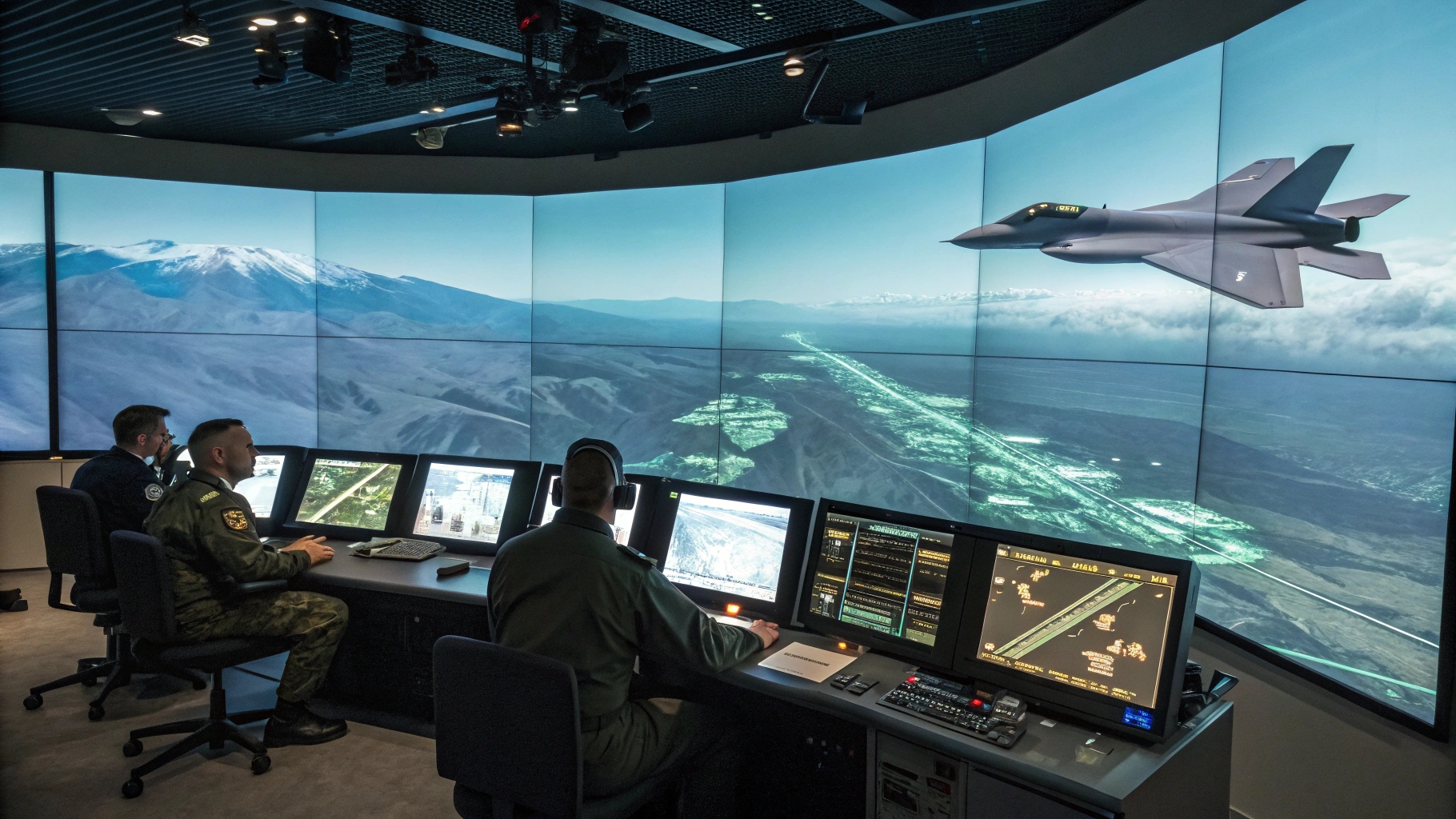
Sensor fusion remains a critical focus area, as the Warrior must integrate data from onboard AESA radar and IRST systems and convert it into actionable insights for the pilot. Ensuring that this information is delivered in a clear, prioritized format without overwhelming the cockpit interface presents a significant technical challenge.
In terms of propulsion, current prototypes utilize the PTAE-7 turbojet engine, which limits performance potential. HAL plans to transition to the HTFE-25 turbofan engine for future variants, offering improved thrust, higher speeds, and enhanced maneuverability.
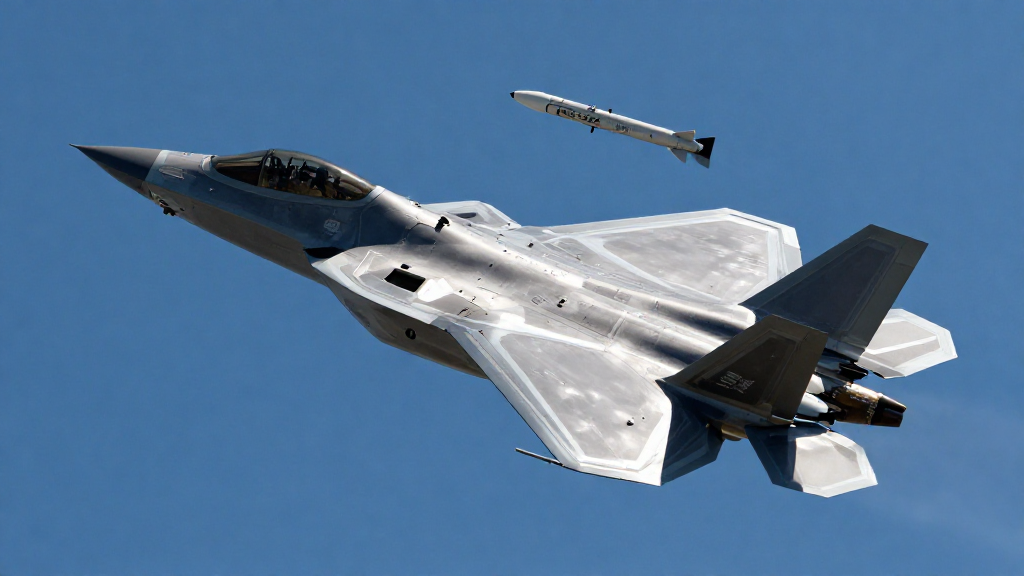
Additionally, HAL is developing a larger and more capable version known as the CATS Warrior II. With an estimated weight of around five tonnes, this variant will feature internal weapon bays for improved stealth and efficiency, along with the ability to carry a larger payload, including multiple Astra Mk1 missiles.
Through the integration of advanced AI, resilient navigation systems, improved sensor fusion, and upgraded propulsion, HAL aims to establish the CATS Warrior as a key component of India’s next-generation air combat strategy.