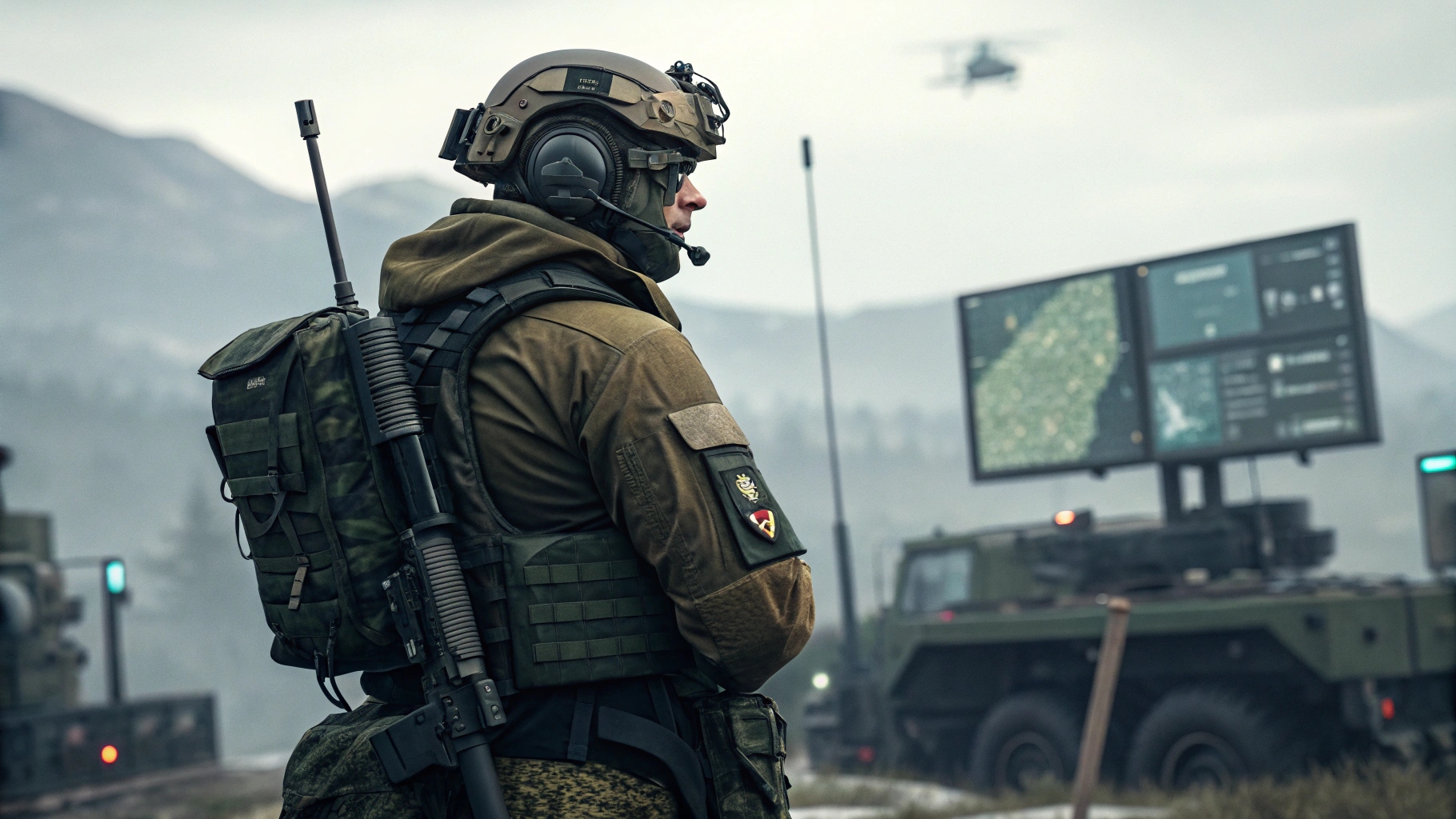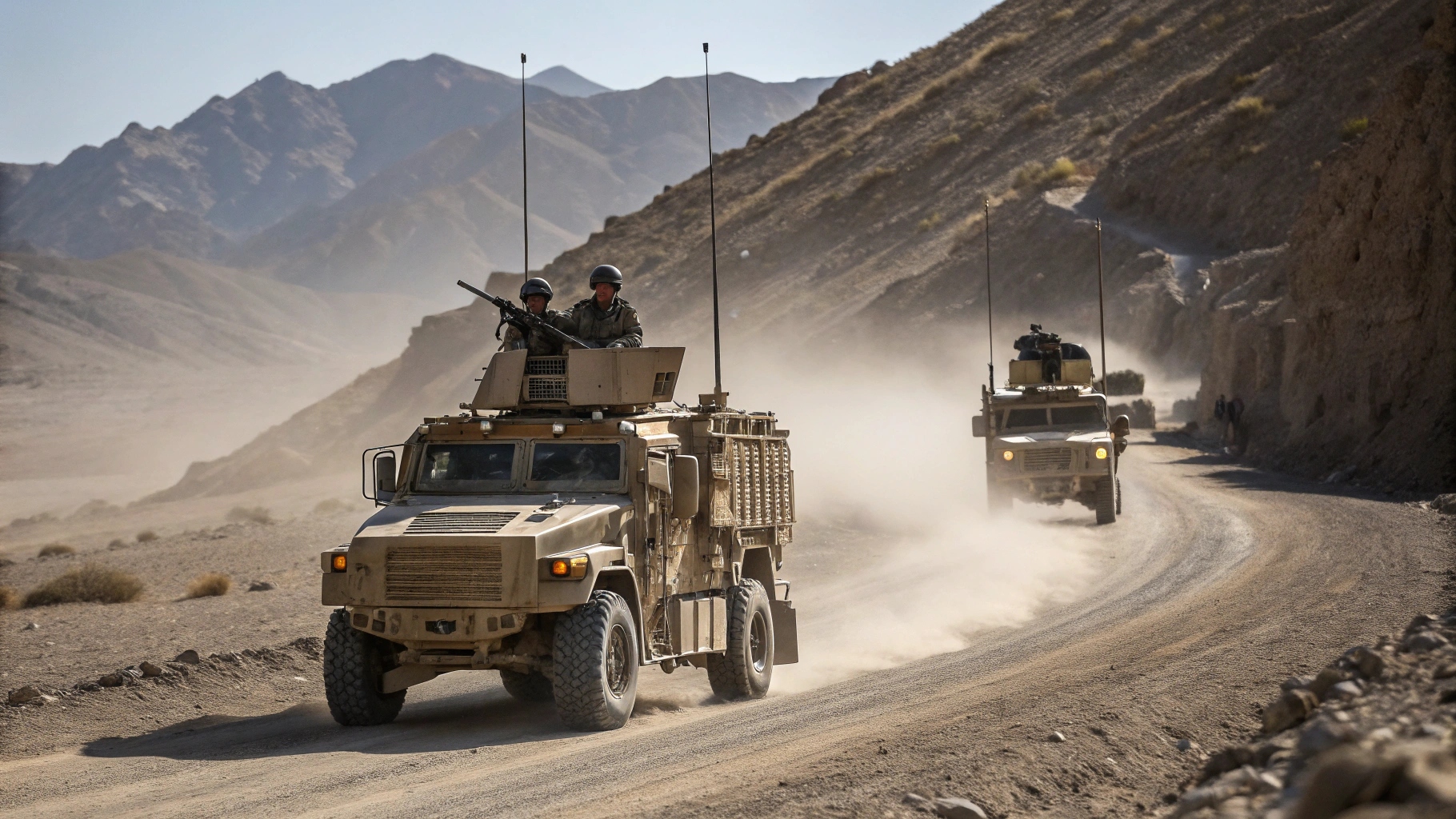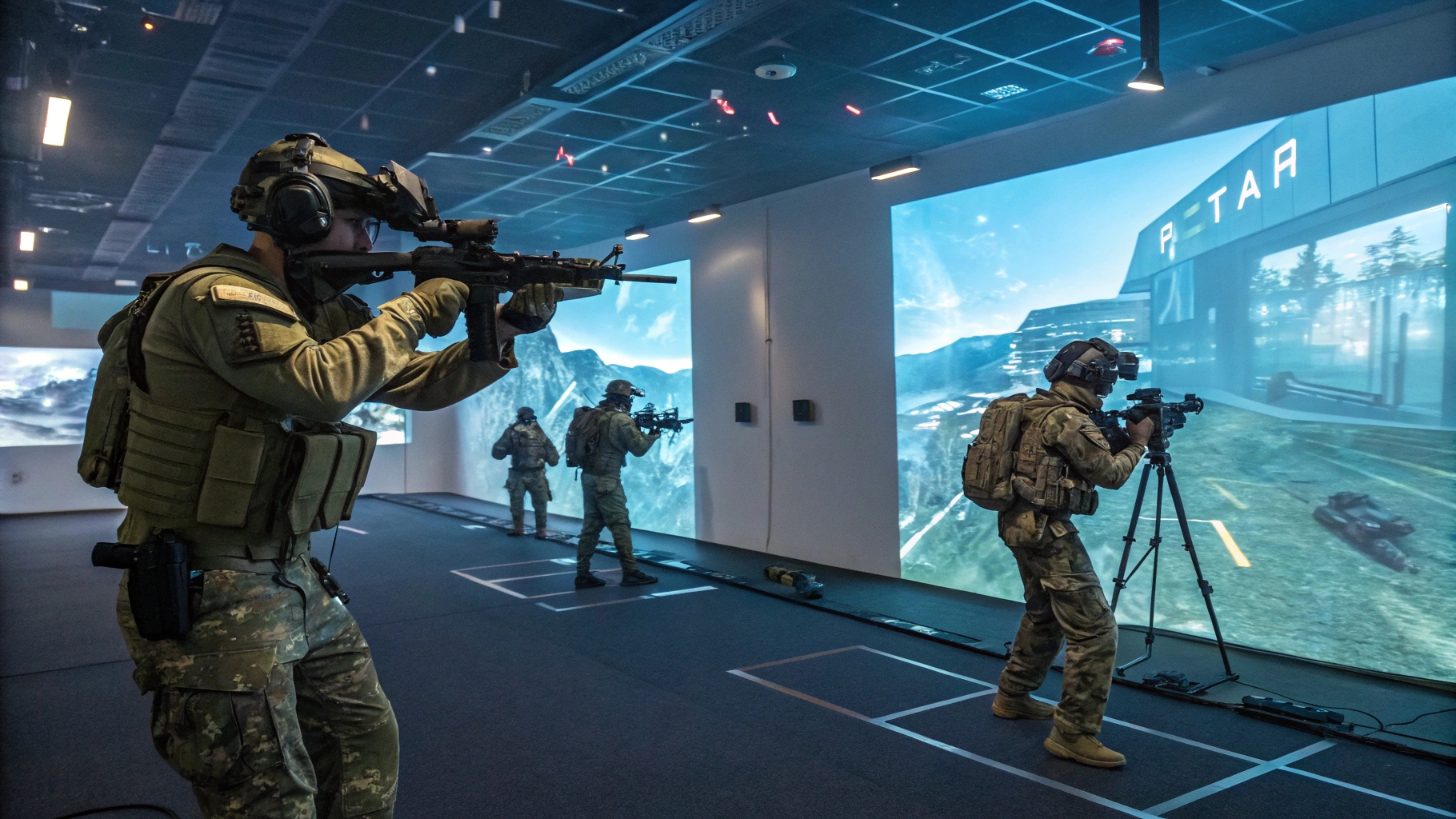

Infantry weapons have seen limited evolution over generations, with conventional rifles and machine guns using familiar ammunition across decades of warfare. However, the demands of modern battlefields are exposing the limitations of these legacy systems.
In response, the US Army introduced the Next Generation Squad Weapon (NGSW) program to transform squad-level firepower. The initiative focuses on developing advanced rifles, automatic weapons, and ammunition systems capable of addressing contemporary combat challenges.
The NGSW aims to replace long-standing platforms such as the M4/M4A1 carbine and M249 Squad Automatic Weapon with a new family of weapons firing a 6.8mm cartridge. Combined with cutting-edge fire control technology, the system enhances lethality, accuracy, and situational awareness for infantry units.
Launched in 2017, the program was driven by the need to counter advanced threats, including improved enemy protection systems. After extensive testing and user feedback, contracts were awarded in 2022 to SIG Sauer and Olin Winchester for weapons and ammunition, along with Vortex Optics for fire control systems. Initial fielding began between 2023 and 2024 following a comprehensive evaluation process involving significant soldier participation and live-fire trials.
The program is built around two key platforms: the NGSW Rifle and the NGSW Automatic Rifle. The rifle serves as the primary individual weapon, offering modular design, ambidextrous operation, and suppressor integration for improved performance and adaptability. The automatic rifle fulfills the squad support role, delivering sustained fire with a belt-fed system and enhanced recoil control.
Operational effectiveness is driven by the integration of advanced components. The 6.8mm ammunition provides superior range and penetration, while the XM157 fire control system integrates ballistic computing and laser rangefinding to improve targeting precision.
However, these advancements come with trade-offs, including increased system weight, higher logistical demands, and the need for additional training and maintenance. The phased rollout also means that units will operate with mixed equipment during the transition period.
Currently, NGSW deployment is focused on US Army infantry and close combat units, with initial deliveries already underway. However, adoption across all services is not uniform, as the US Marine Corps has chosen to continue using its existing systems.
As development continues, the NGSW program is expected to incorporate further improvements, including enhanced ergonomics, upgraded suppressors, and potential new configurations. Over the coming decade, the Army plans to field large numbers of these systems, aiming to create a more lethal and adaptable infantry force.