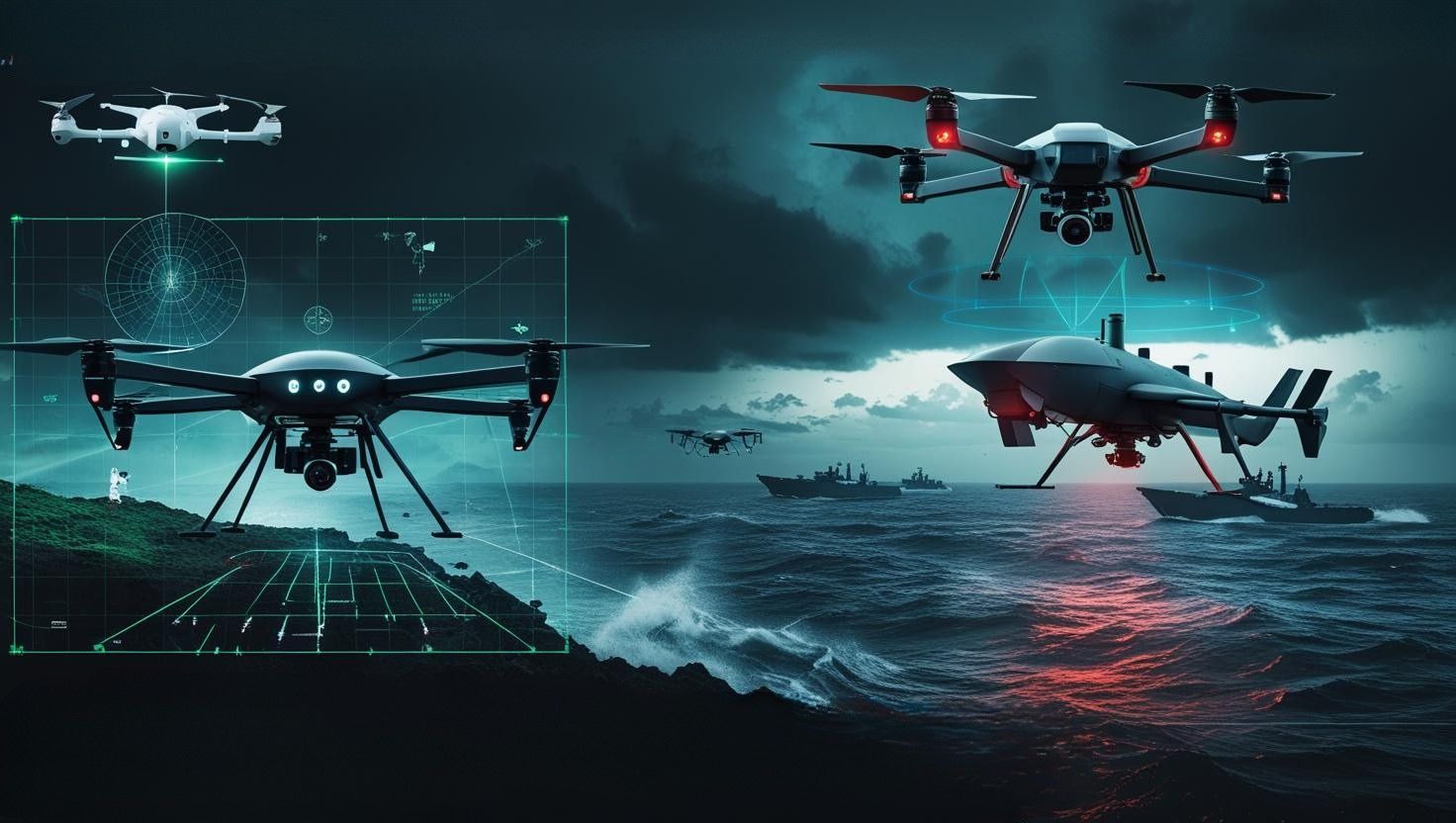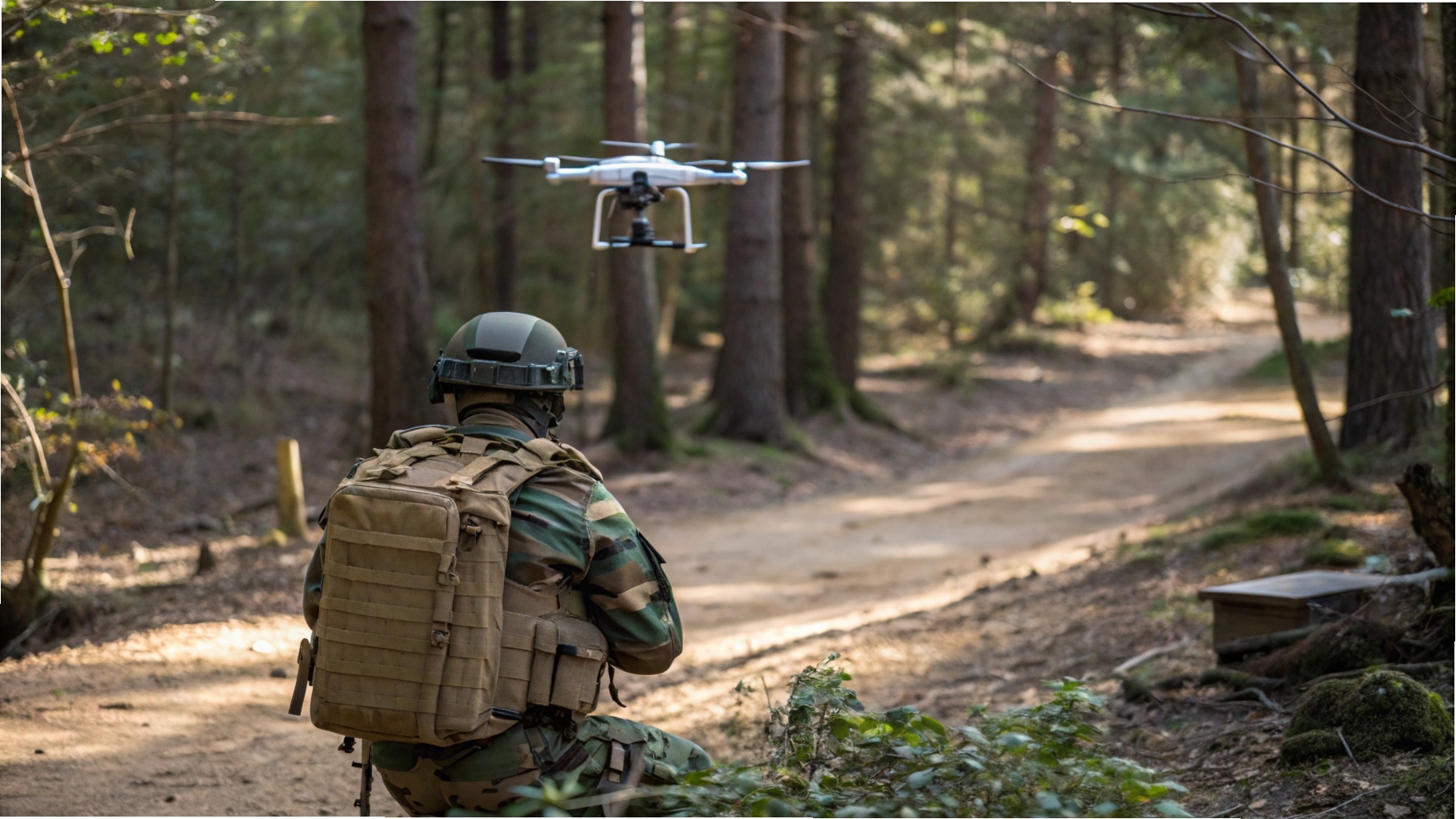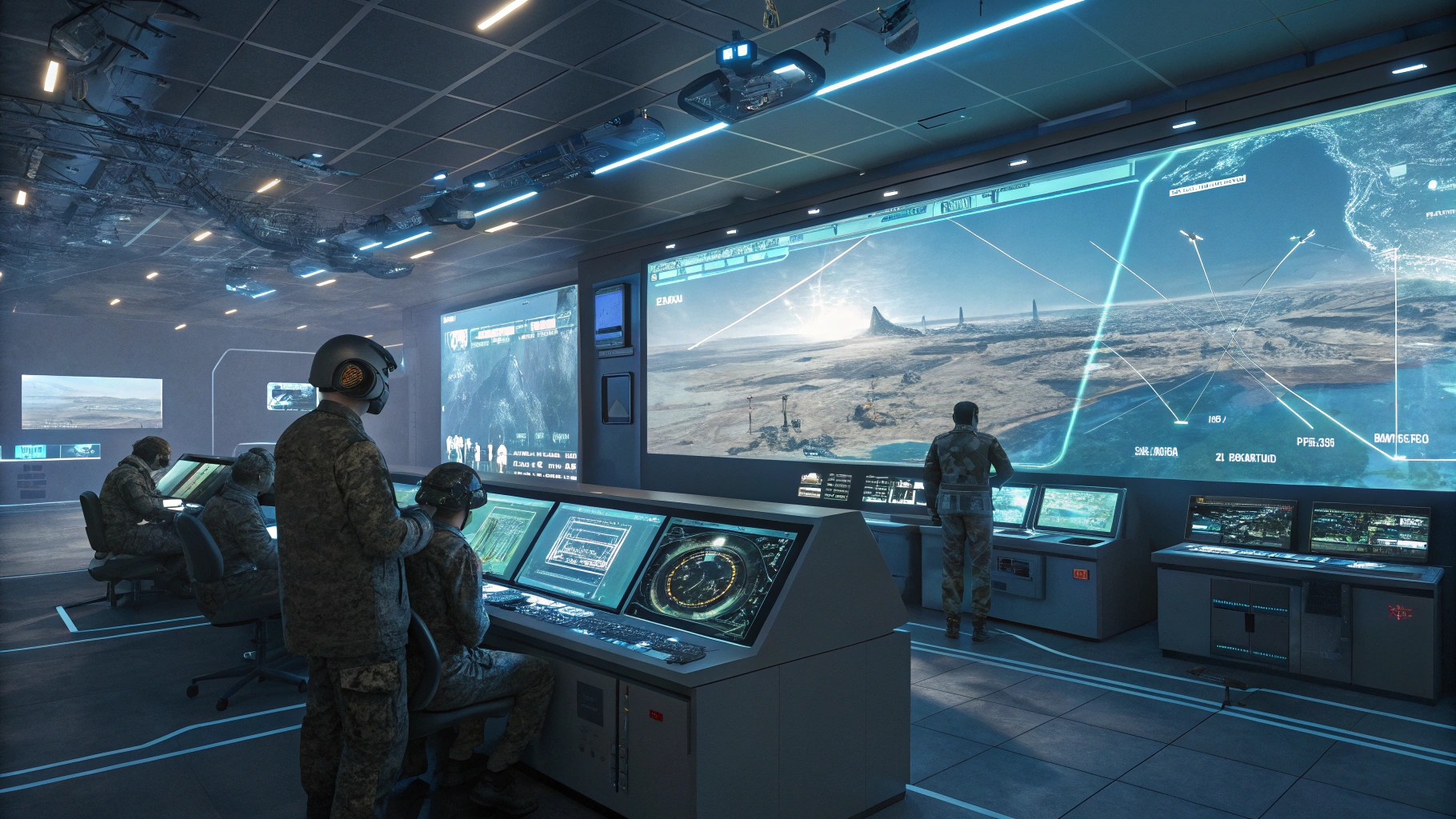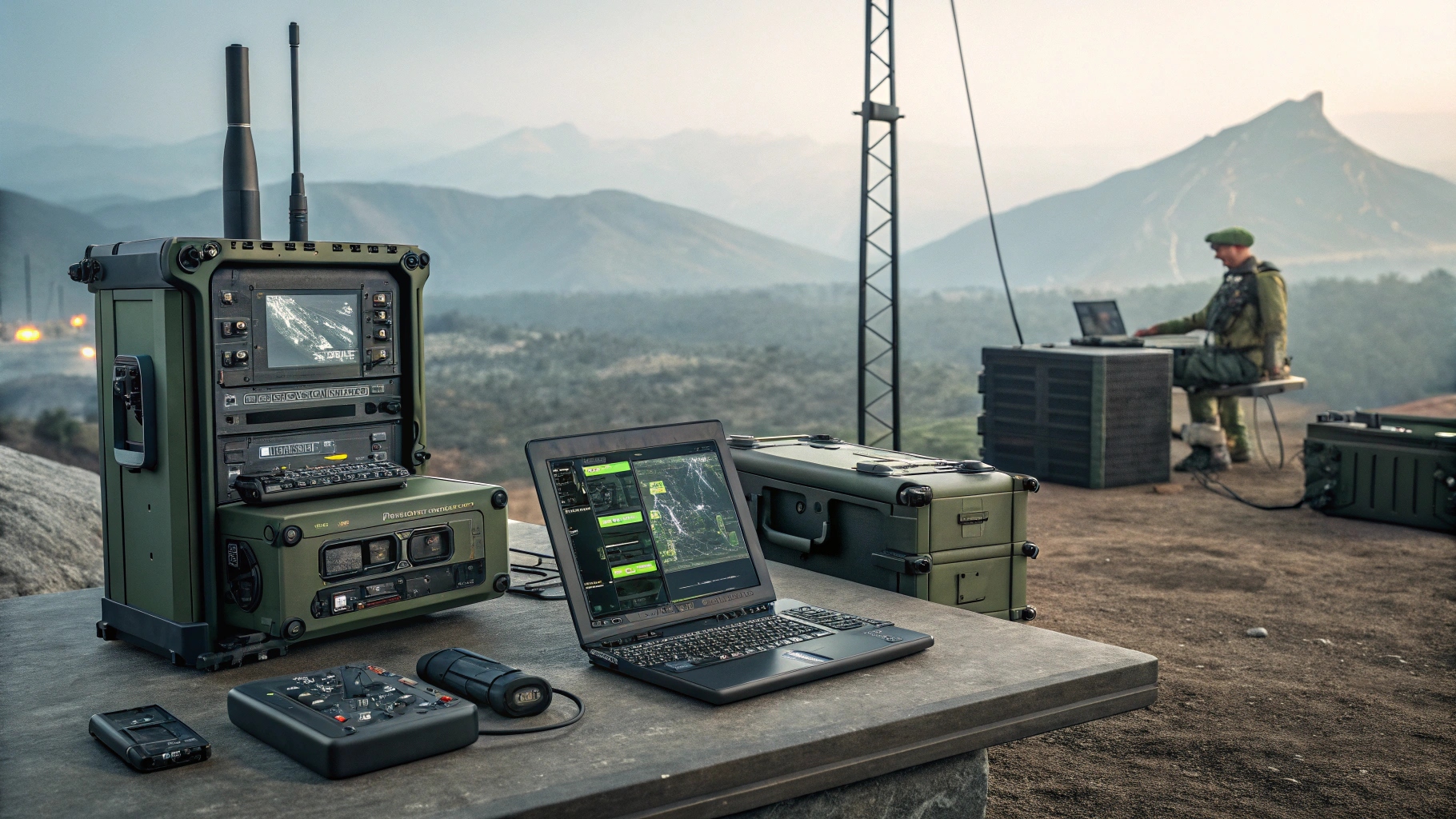

The Royal Navy is upgrading RFA Lyme Bay with autonomous technologies to enable it to detect and counter naval mines, effectively converting the vessel into a mobile hub for uncrewed minehunting operations. The Bay-class ship is being fitted with modular command-and-control suites and systems to deploy and coordinate both surface and underwater drones. Work is ongoing in Gibraltar to prepare the ship for its new role as a mothership supporting mine countermeasure missions.
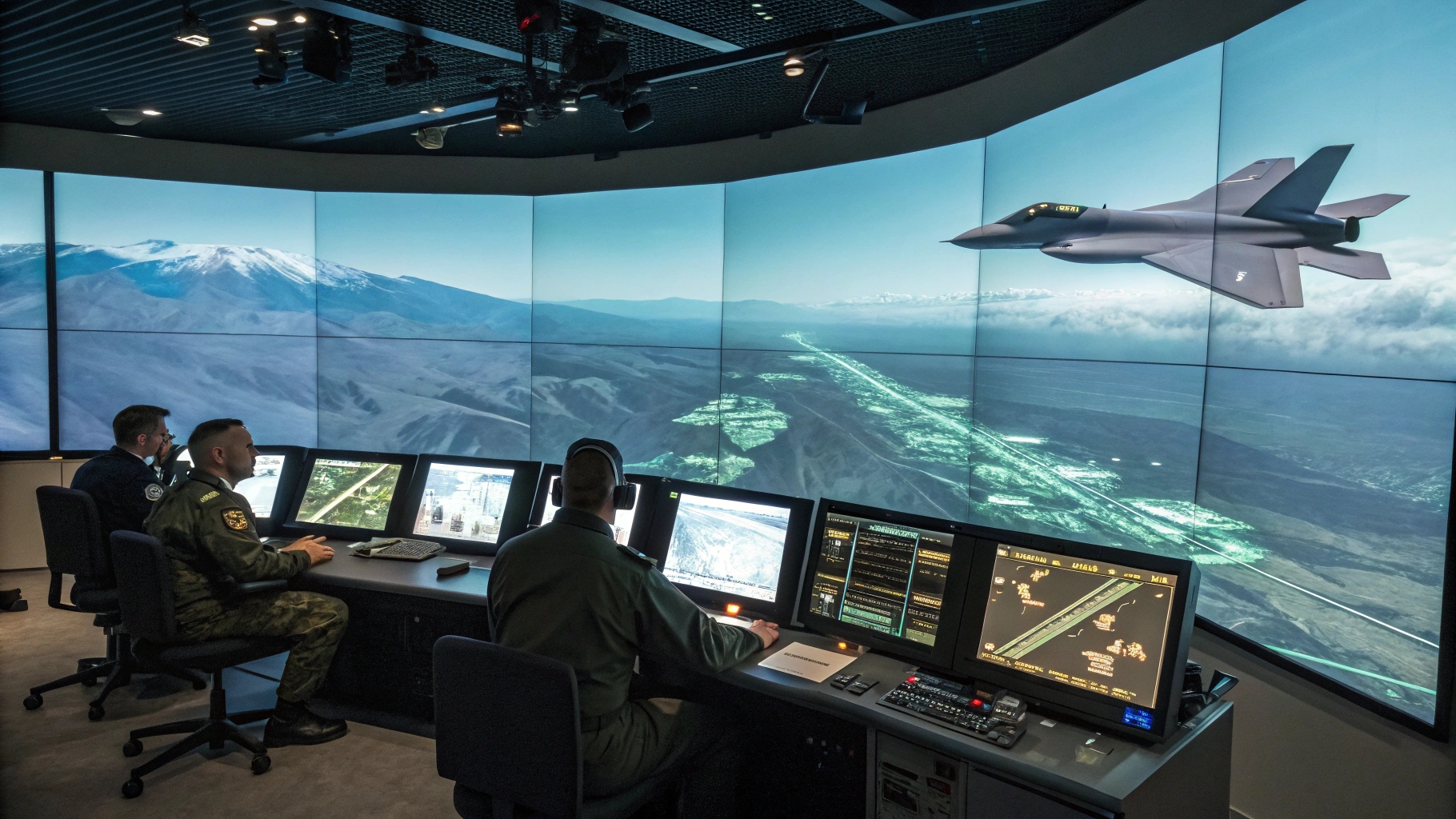
With its recent elevation to high readiness status, Lyme Bay will expand its operational scope beyond logistics, acting as a forward command node for autonomous mine warfare. Its flexible, plug-and-play configuration allows rapid adaptation to different mission profiles by integrating various unmanned platforms. Royal Navy officials emphasize that this transformation demonstrates the fleet’s ability to evolve in response to modern threats.
The upgrade aligns with the UK’s broader strategy to replace traditional mine countermeasure vessels with autonomous systems. As part of this effort, the Royal Navy received its first fully autonomous minehunting solution from Thales in March 2025, featuring an AI-powered unmanned surface vessel, towed sonar, remotely operated vehicles, and a deployable control center. Later that year, the UK Ministry of Defence awarded Thales an additional contract to develop portable command hubs capable of integrating multiple uncrewed systems under a unified, AI-driven framework, with funding starting at £10 million and potentially rising to £100 million.