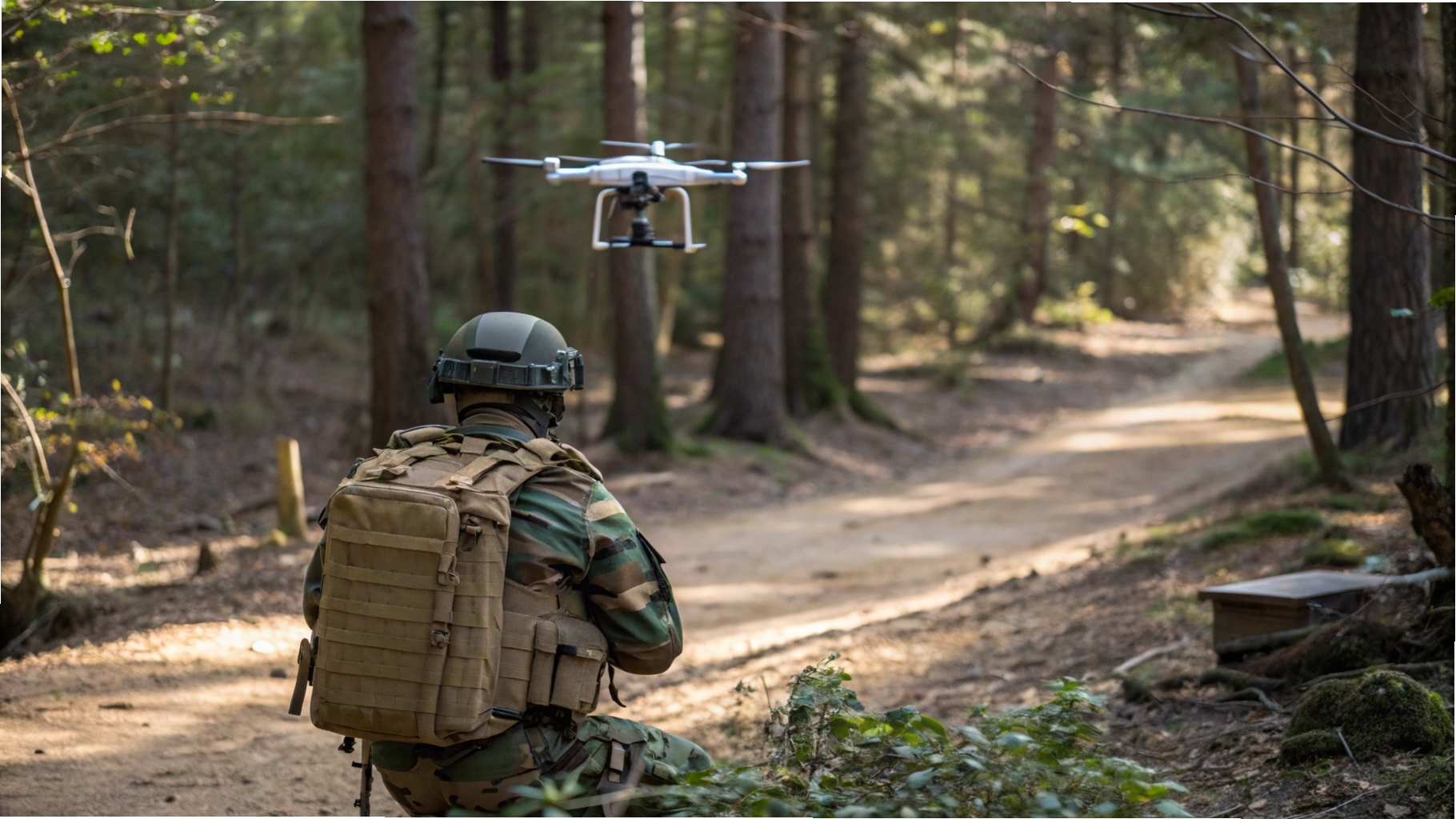

In a significant step toward future warfare concepts, the Indian Army has issued a tender (TID: 54805218) for a Multi-Barrel Swarm Launcher System, highlighting a doctrinal transition toward high-volume, networked strike capabilities designed to overwhelm enemy air defences.
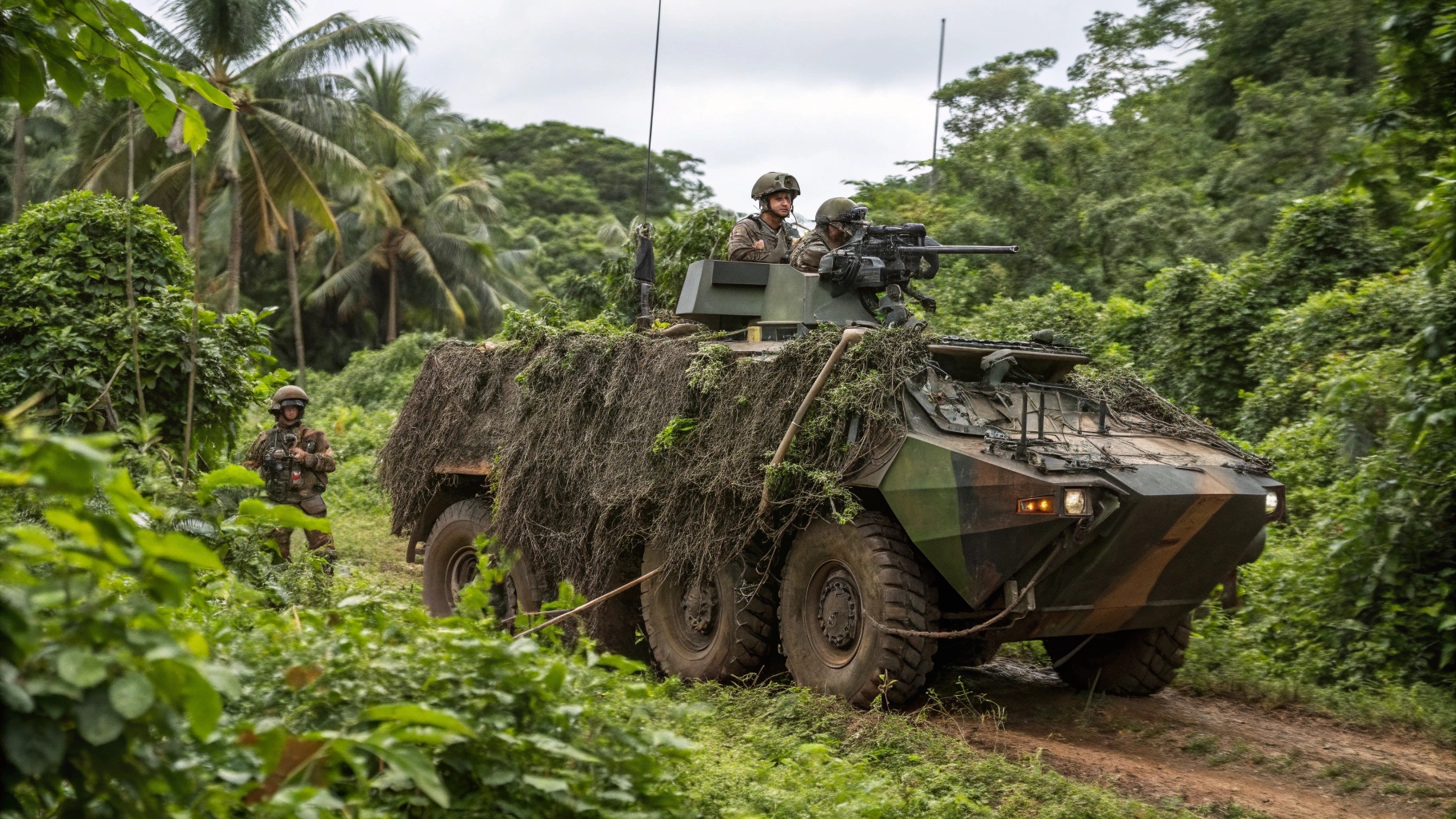
The system is envisioned as a mobile, vehicle-mounted launcher capable of deploying large numbers of drones or miniature missiles in rapid succession. Though exact parameters remain classified, it is expected to deliver salvo launches of 24–40 munitions, enabling saturation attacks that challenge the capacity of modern defensive systems.
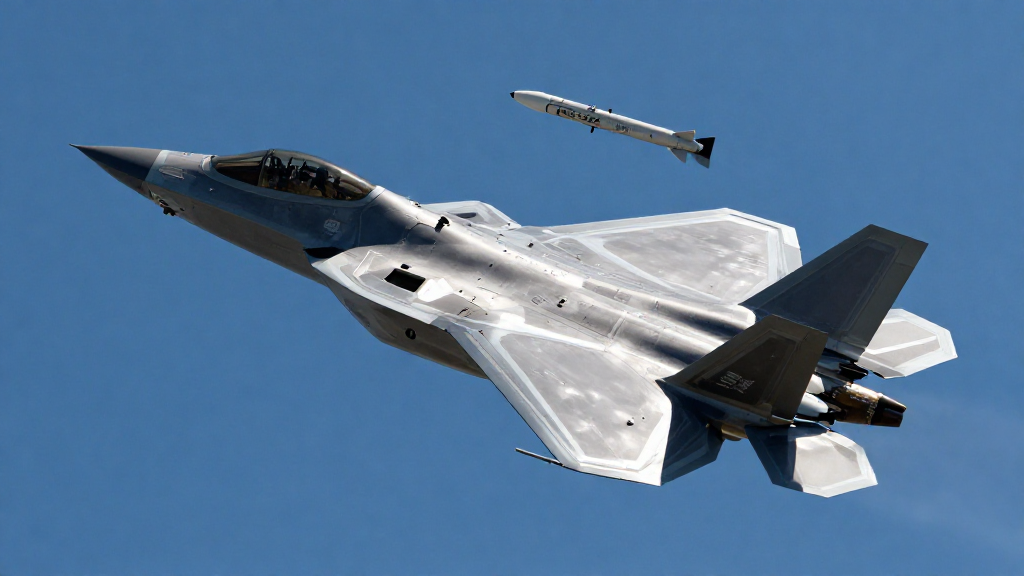
A notable aspect of the program is its compatibility with Manned-Unmanned Teaming (MUM-T) operations. Swarms launched from the system can be handed over to platforms such as the Su-30MKI or managed through ground-based control centers, allowing flexible, real-time mission adjustments against dynamic targets.
Technically, the launcher is designed as a multi-role platform capable of firing both loitering munitions for strike missions and interceptor missiles for defensive counter-drone roles. The inclusion of a modular canister reload system ensures quick re-engagement capability, with a turnaround time of under 15 minutes between salvos.
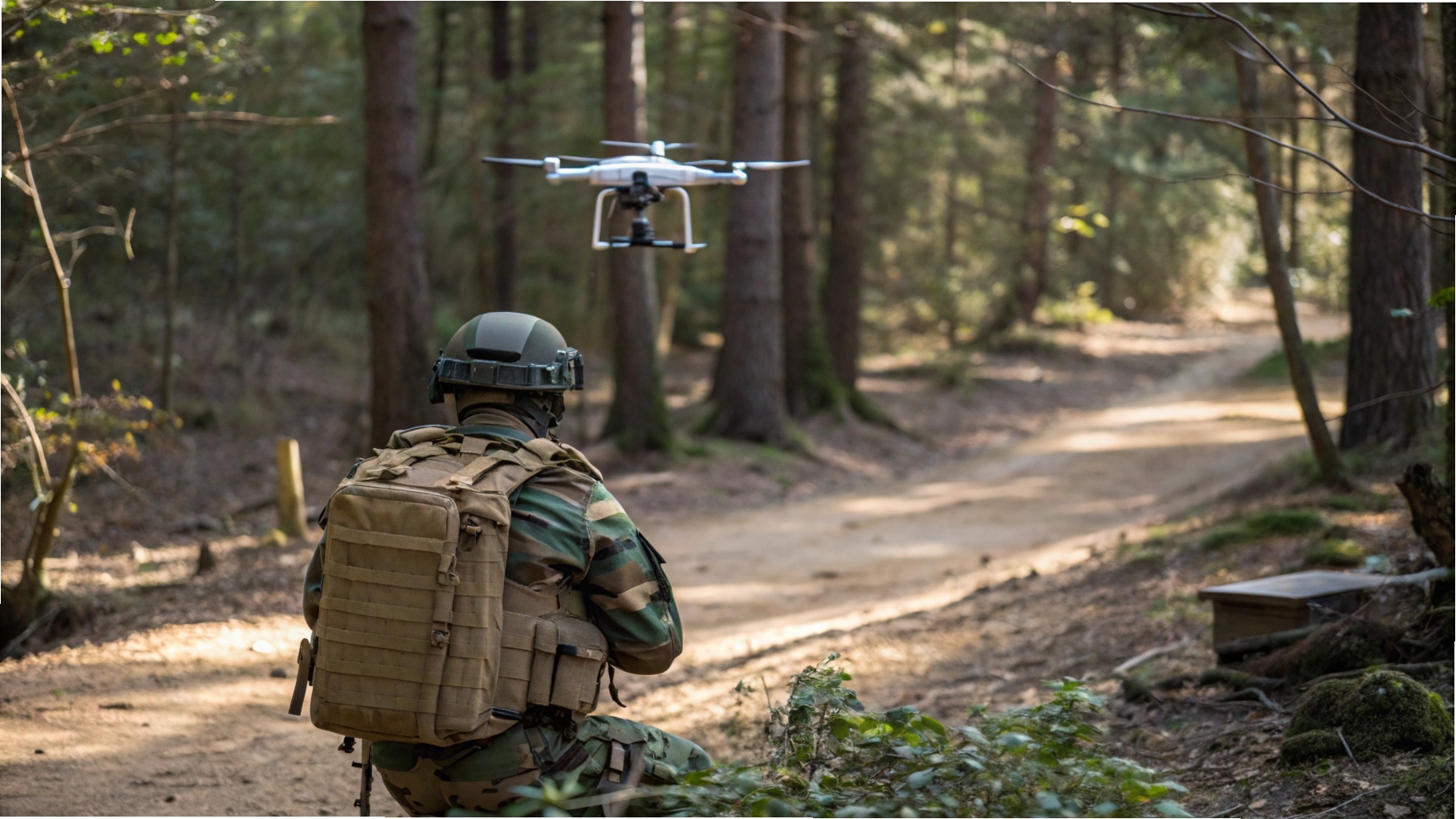
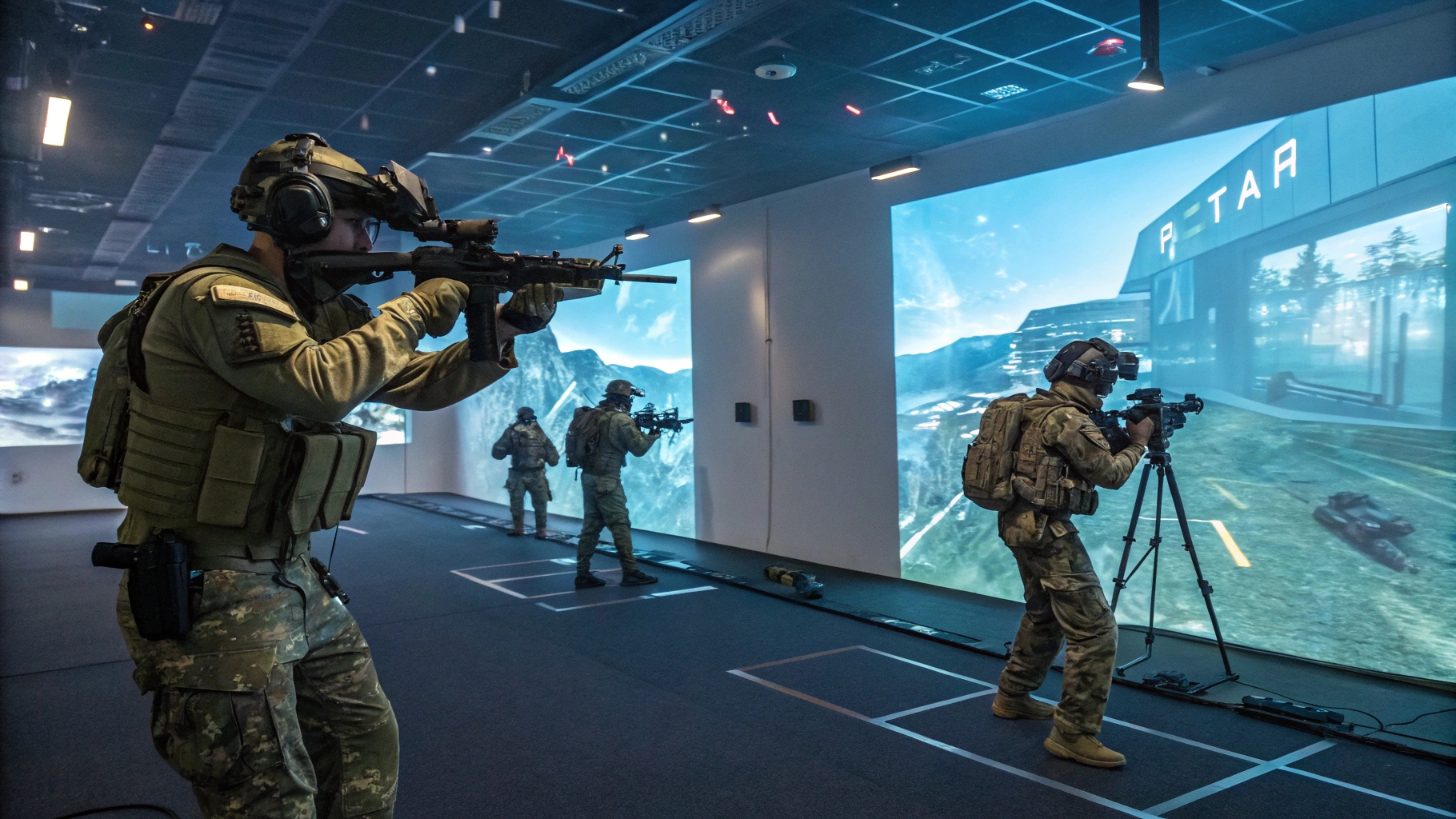
The system will be supported by an AI-driven Ground Control Station using a master-slave control model, enabling a single operator to coordinate swarm behavior. Autonomous features will manage navigation, deconfliction, and target prioritization, significantly enhancing operational efficiency.
To ensure survivability in contested zones, the launcher must maintain low thermal and acoustic signatures, reducing exposure to enemy surveillance systems. The program is shaped by recent battlefield experiences where drone swarms have exposed the limitations and cost inefficiencies of traditional air defence systems.
To counter electronic warfare threats, the system will feature secure communication links with anti-jamming and frequency-hopping capabilities. With an initial development cost of around ₹13.9 crore, the initiative is being managed by the Department of Military Affairs and supported by research ecosystems in Agra. The deadline for bid submissions is April 14, 2026.