
Traditional heavy artillery relied heavily on raw firepower but was often constrained by slow mobility and exposed firing positions. Modern battlefield requirements have shifted priorities toward speed, automation, and adaptability. This shift gave rise to the CAESAR self-propelled howitzer, designed to deliver firepower while rapidly relocating to avoid counterattacks.
Today, CAESAR represents a leading example of how mobility-driven concepts have transformed artillery operations. This guide examines its origins, capabilities, operational use, and future developments.
CAESAR—Camion Équipé d’un Système d’Artillerie—is a 155mm 52-caliber wheeled self-propelled howitzer built for long-range, high-precision engagements with superior mobility. Mounted on a truck chassis, it combines the reach of modern NATO artillery with fast deployment and reduced logistical burden. Its shoot-and-scoot capability allows rapid firing and repositioning, enhancing survivability in contested environments.
The system was conceived in the 1990s when France sought an alternative to the high cost and logistical complexity of tracked artillery systems. The result was a truck-mounted solution capable of quick deployment across multiple transport modes while retaining full operational firepower. Developed by GIAT Industries (now KNDS France), CAESAR entered service in the mid-2000s with a strong focus on exportability and NATO interoperability.
Equipped with a 155mm L/52 cannon, CAESAR can fire a wide range of NATO-standard ammunition, including precision-guided and extended-range rounds. Its digital fire control system enables rapid target engagement, automated positioning, and efficient execution of fire missions, with ranges exceeding 40 kilometers.
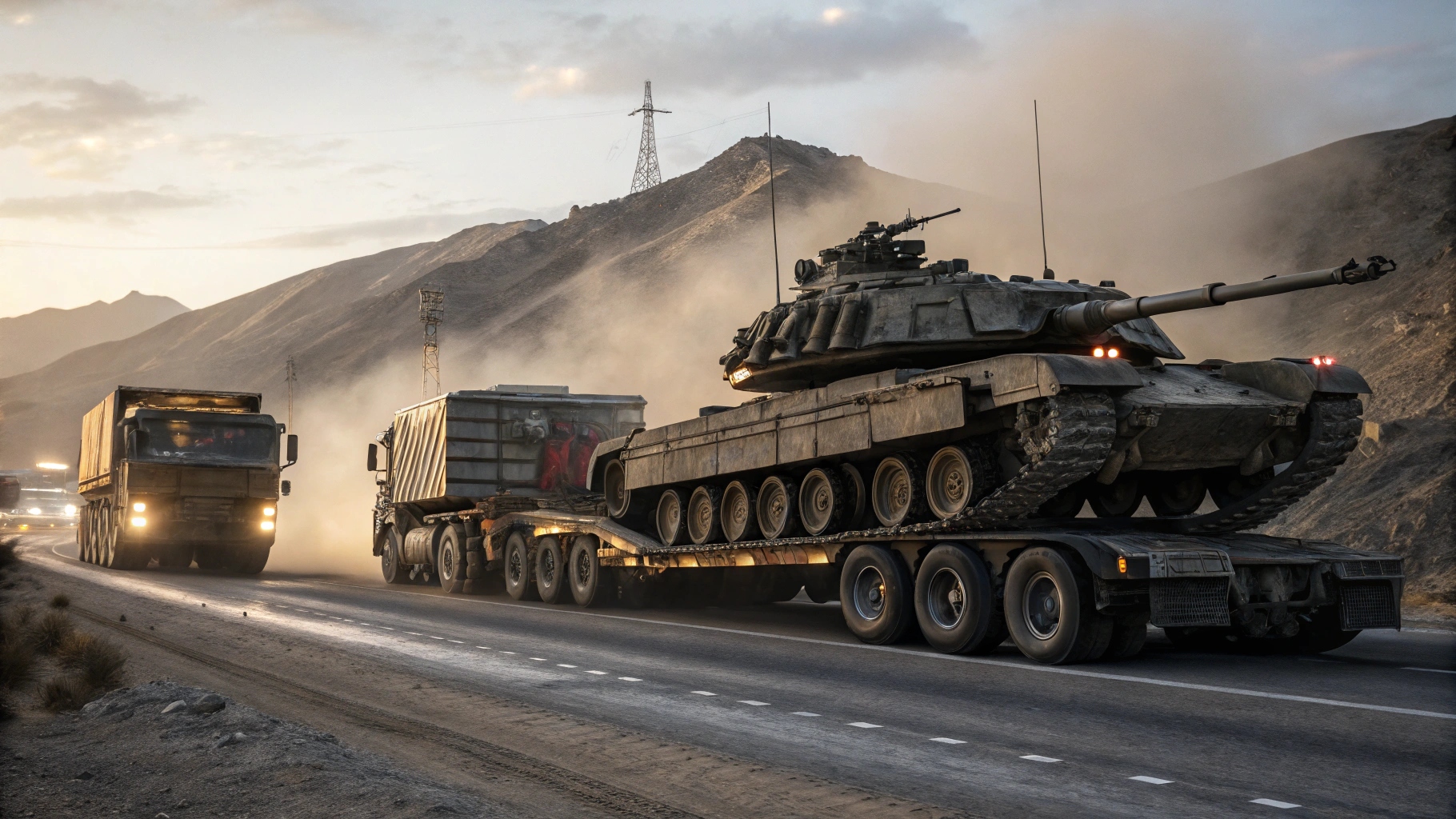
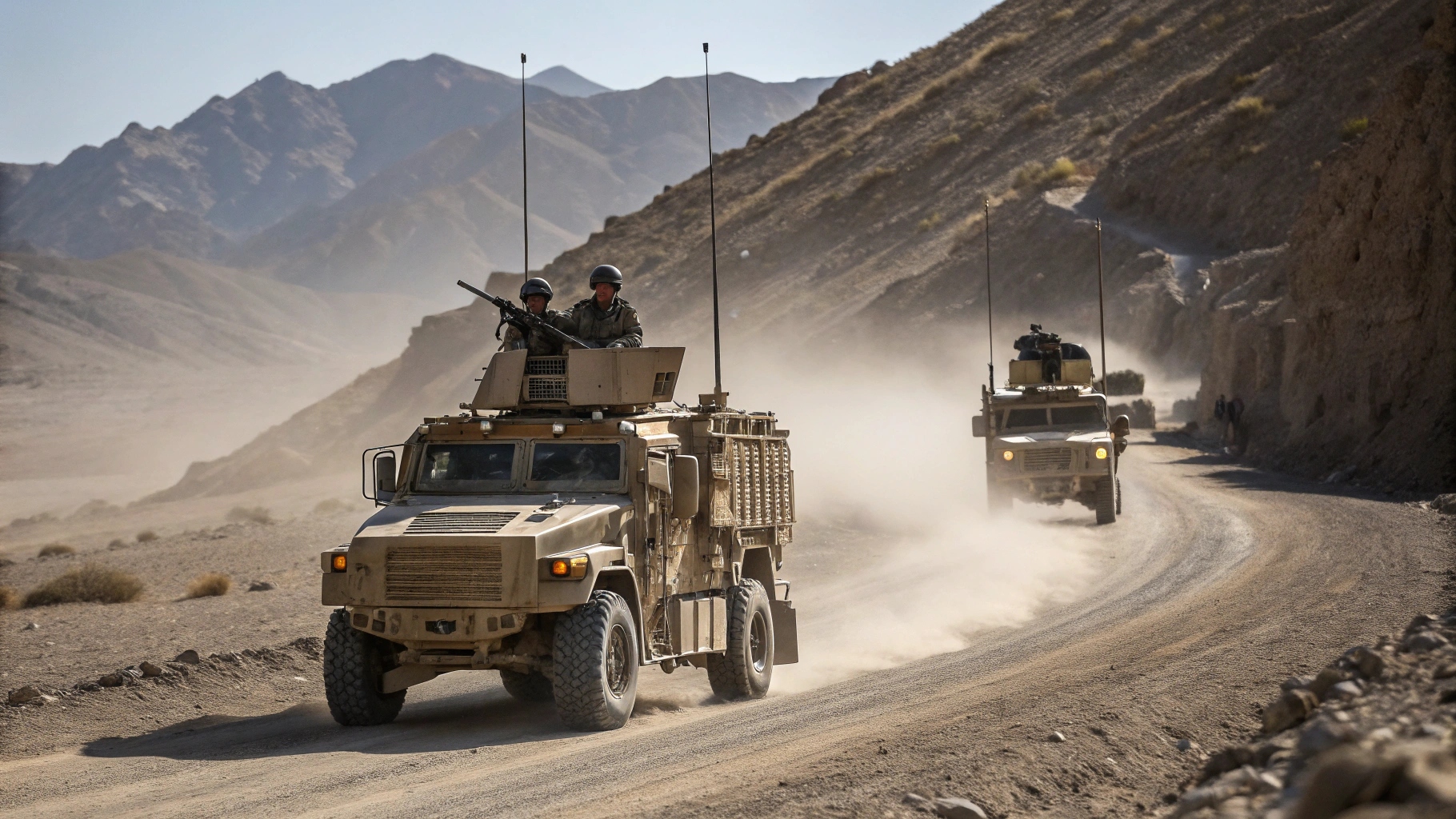
The platform’s mobility is one of its defining features. Built on 6×6 or 8×8 wheeled chassis, it can travel long distances, be airlifted, and quickly deploy into firing positions using hydraulic stabilizers.
Key advantages include high mobility, reduced vulnerability due to rapid relocation, compatibility with NATO ammunition, precision targeting, and lower crew requirements. However, it has limitations such as limited armor protection, crew exposure during operations, reduced performance in rugged terrain, and reliance on external ammunition supply.
CAESAR has been adopted by several countries, including France, Estonia, Denmark, Croatia, Lithuania, Colombia, and Ukraine. Its operational use has demonstrated effectiveness across a range of scenarios, from expeditionary missions to high-intensity conflicts. Its role in Ukraine has further highlighted the value of mobility in countering modern artillery threats.
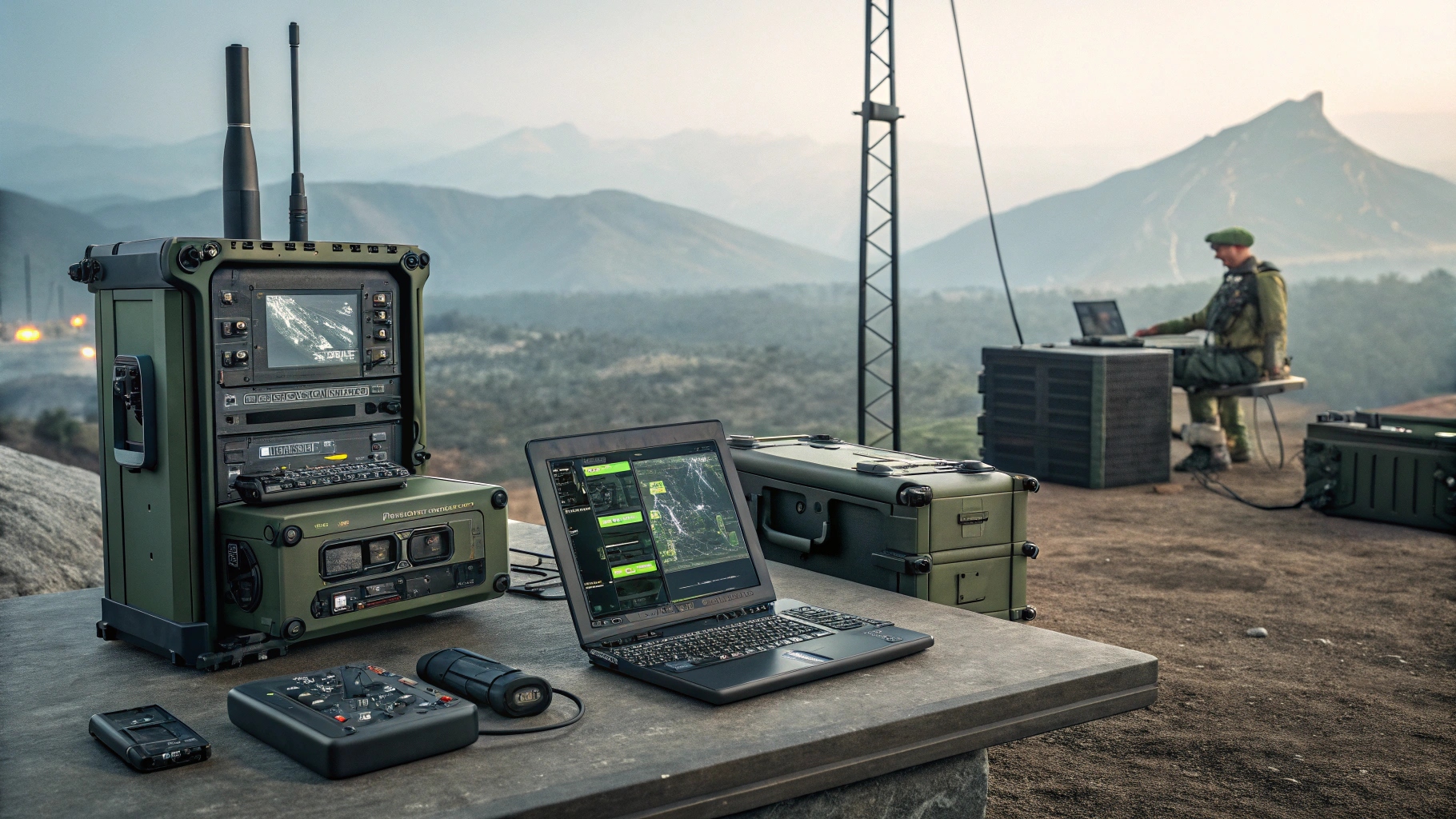
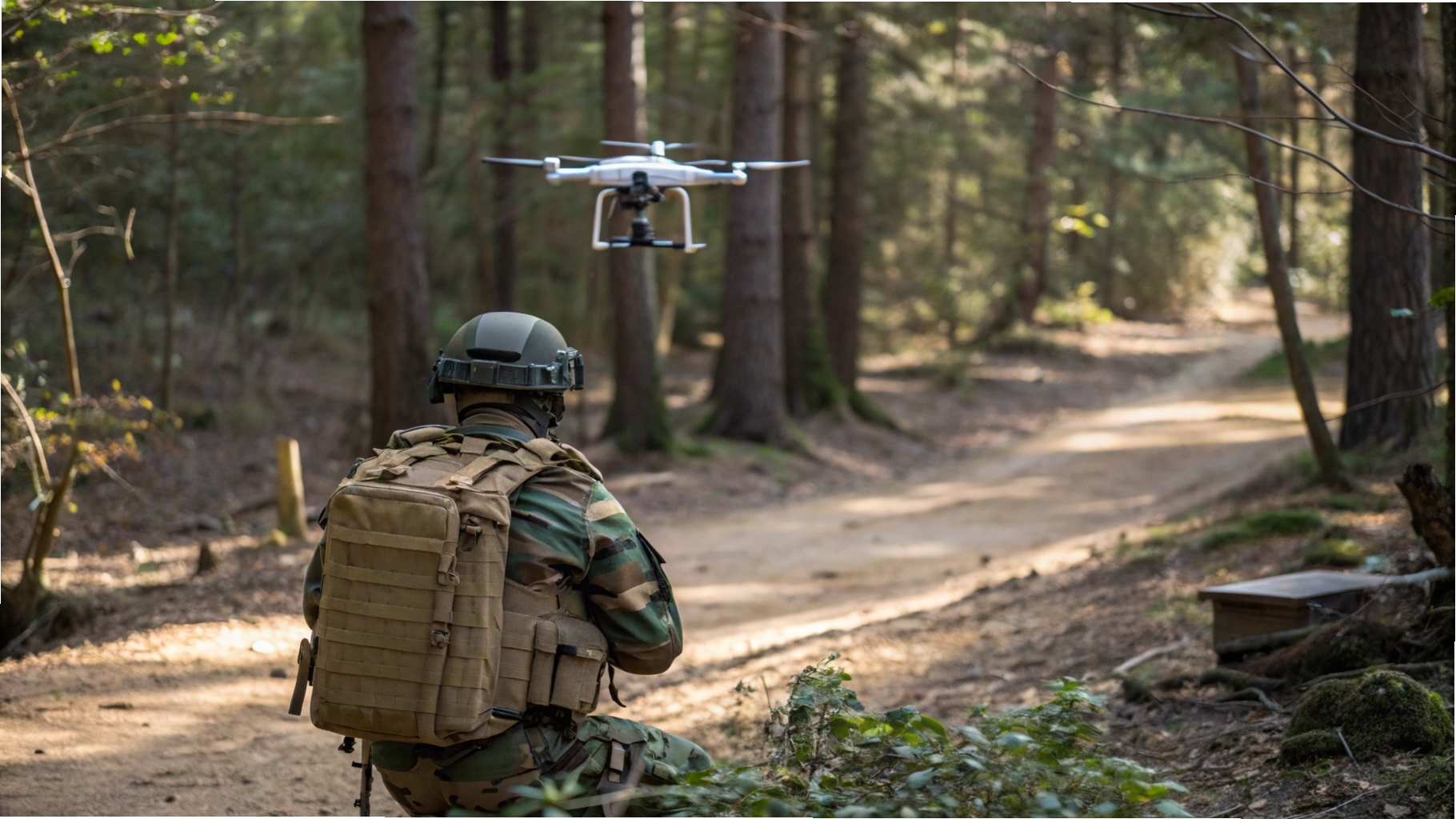
Looking to the future, KNDS France is enhancing CAESAR with improved protection, greater automation, and integration into digital battlefield networks. Newer variants offer upgraded cabins, faster deployment, and improved connectivity with drones and sensor systems. Rather than replacing tracked artillery, CAESAR complements it by providing a highly mobile and cost-effective solution for modern warfare.