
The UK and France have formalized a memorandum of understanding to begin work on a potential successor to the Meteor beyond-visual-range air-to-air missile. The year-long study will evaluate future missile designs, assess key technologies, and establish a development pathway suited to emerging operational challenges. This effort is part of the 2025 Lancaster House 2.0 agreement, which strengthens defence collaboration between the two nations and includes plans for a joint office to coordinate missile programs, synchronize requirements, and improve efficiency.
Alongside this initiative, both countries are also considering a next-generation deep-strike weapon to eventually replace the SCALP/Storm Shadow cruise missile in their arsenals.
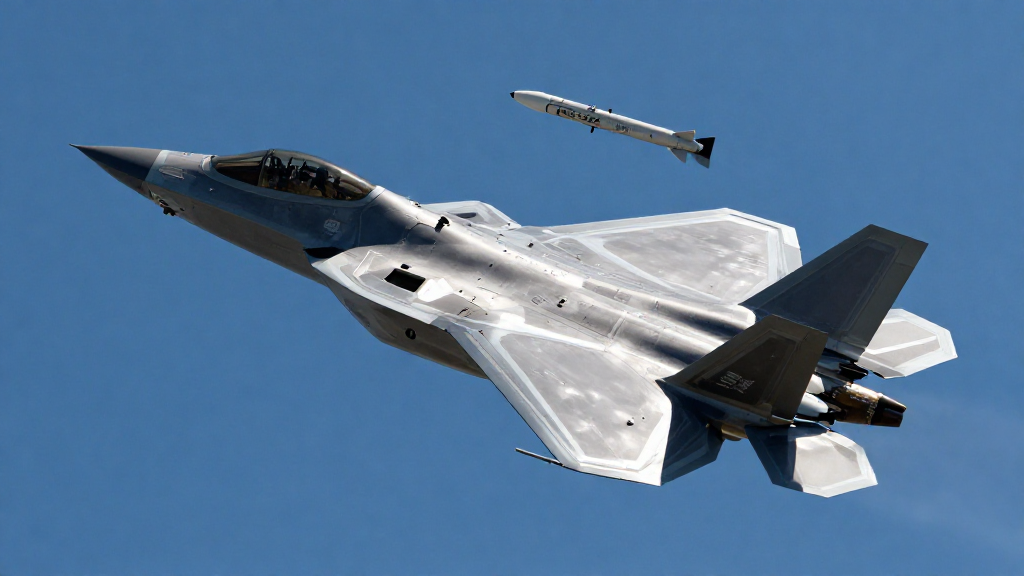
The Meteor missile, currently in service, is distinguished by its throttleable ramjet propulsion system, enabling sustained thrust and a highly effective engagement profile. Known for its extensive no-escape zone, it remains one of the most capable air-to-air missiles in operation today. Developed through a multinational collaboration led by MBDA and supported by Airbus, BAE Systems, and Leonardo, the program addressed limitations of earlier long-range missiles.
Nonetheless, evolving threats and the introduction of advanced systems like China’s PL-17 have driven the need for a more capable replacement. The initiative mirrors broader global efforts, including the US AIM-260 program, which seeks to maintain a technological edge in next-generation air combat.