
US Army Trials AR Goggles and Anti-Drone Tech on US-Mexico Border
The US Army is leveraging its mission with Customs and Border Protection along the US-Mexico border to test augmented reality and counter-drone technologies in real-world environments.
The initiative, part of programs launched under the Trump administration, helps soldiers provide real-time intelligence on migrant movements while evaluating systems not easily replicated in training facilities.
Key technologies under assessment include the Integrated Visual Augmentation System (IVAS) 1.2 goggles and the DZYNE Dronebuster, a handheld jammer that can disable drones up to 2 kilometers away. Built on Microsoft’s HoloLens platform, IVAS integrates augmented reality with thermal, low-light imaging, and navigation tools. The 1.2 version, co-developed with Anduril and Meta, improves balance and controls over earlier models that had usability issues.
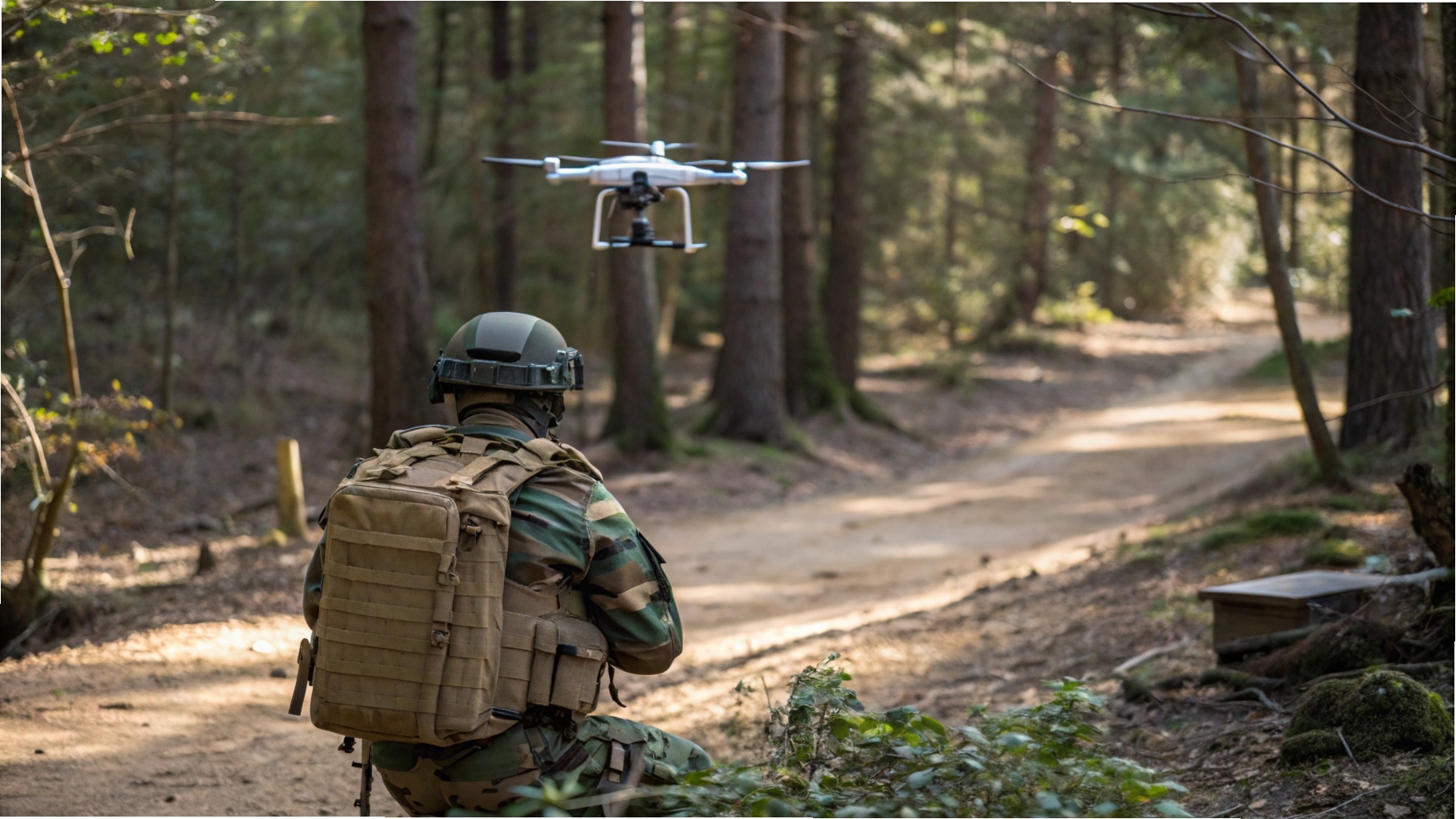
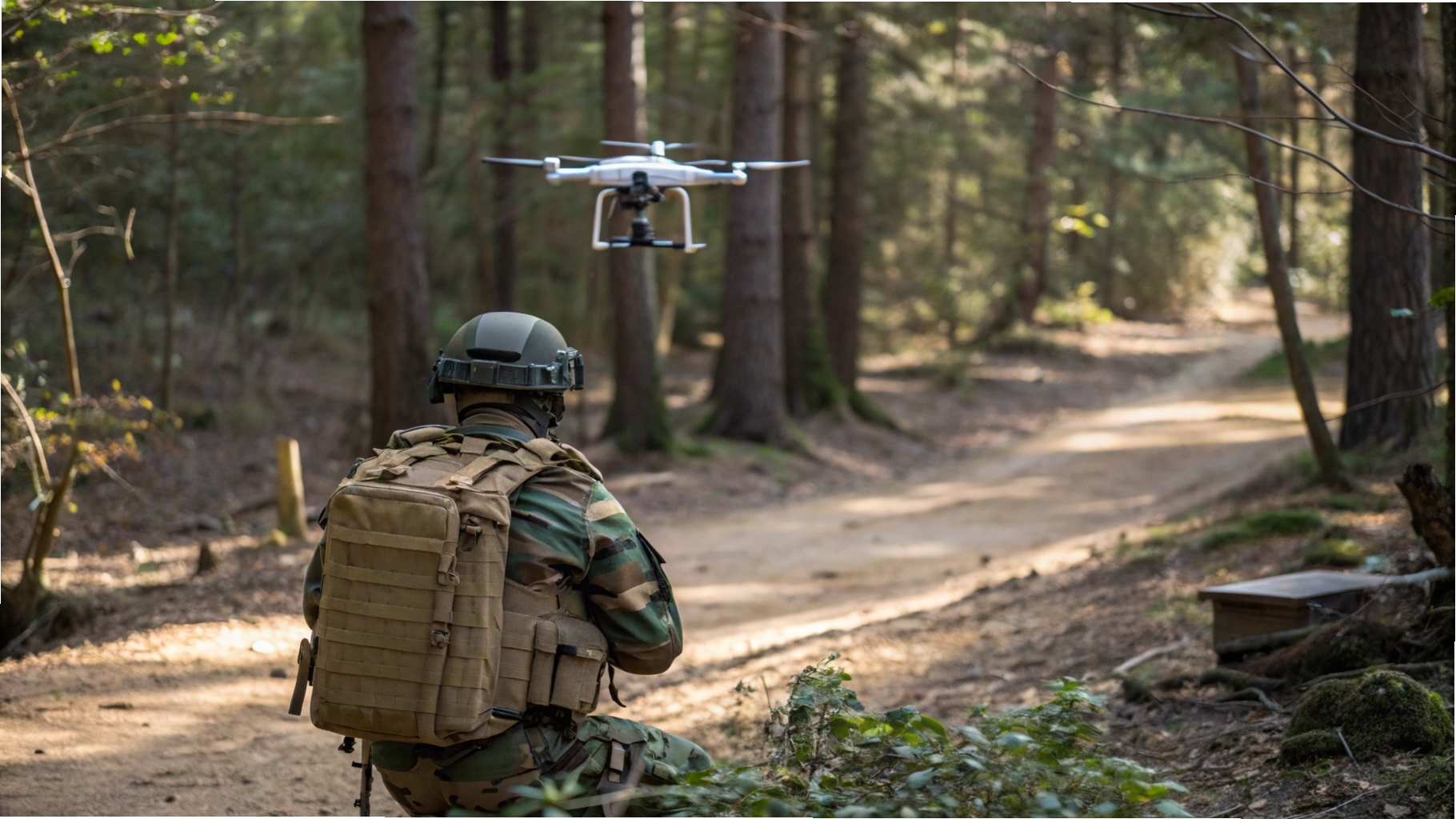
The Dronebuster, weighing less than 3 kilograms, requires no external power and incorporates radio detection to track hostile UAVs. Soldiers are also equipped with Anduril’s Black Hornet 4 microdrone for reconnaissance, Palantir’s Tactical Intelligence Targeting Access Node for UAS detection, upgraded Common Remotely Operated Weapon Stations, and long-range radios for rapid coordination with border patrol.
Col. Hugh Jones, commander of the 2nd Stryker Brigade Combat Team, said his unit is covering over 1,000 miles of the border, with each soldier responsible for roughly half a mile of difficult terrain, including deserts, mountains, and swamps.