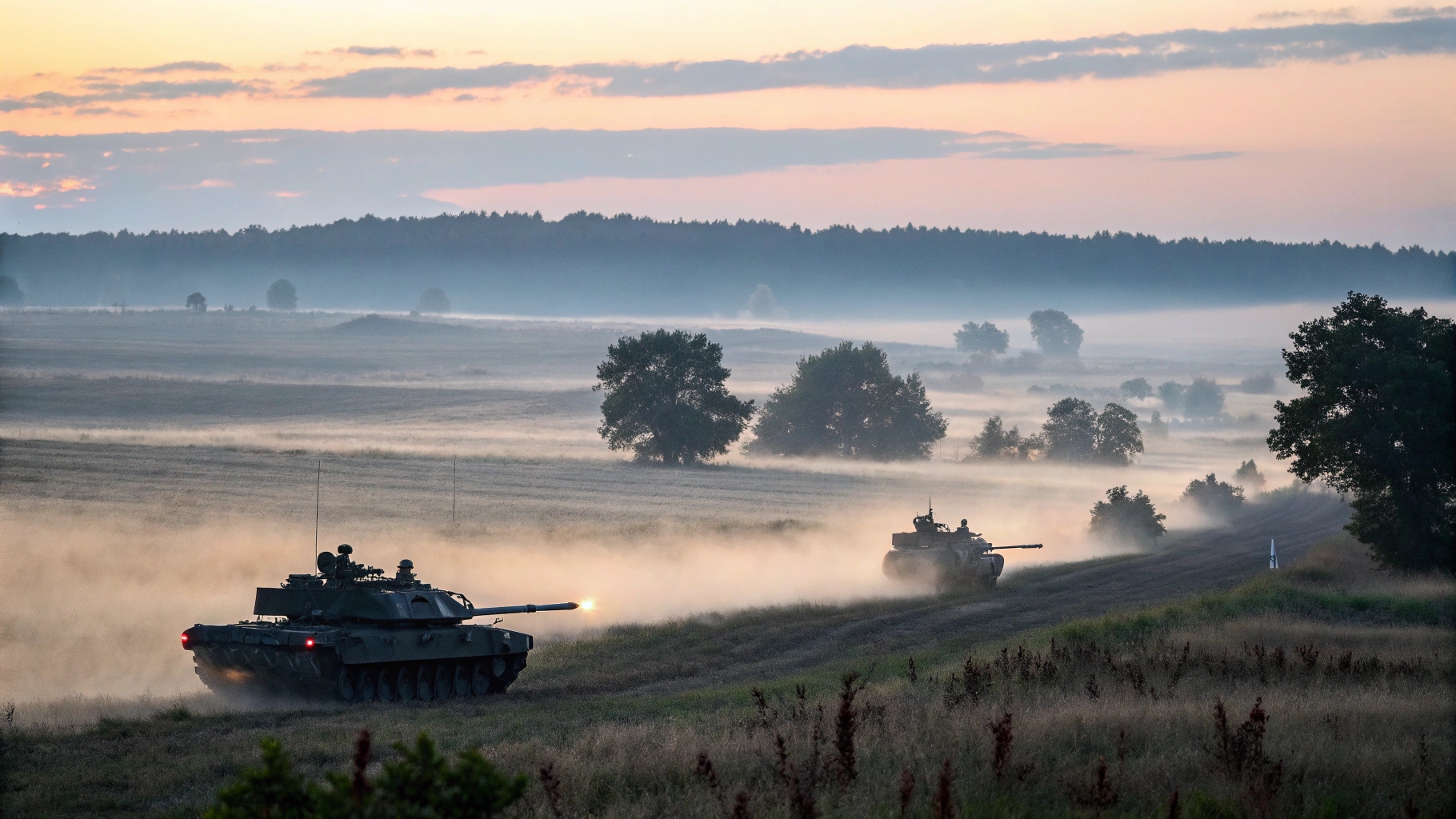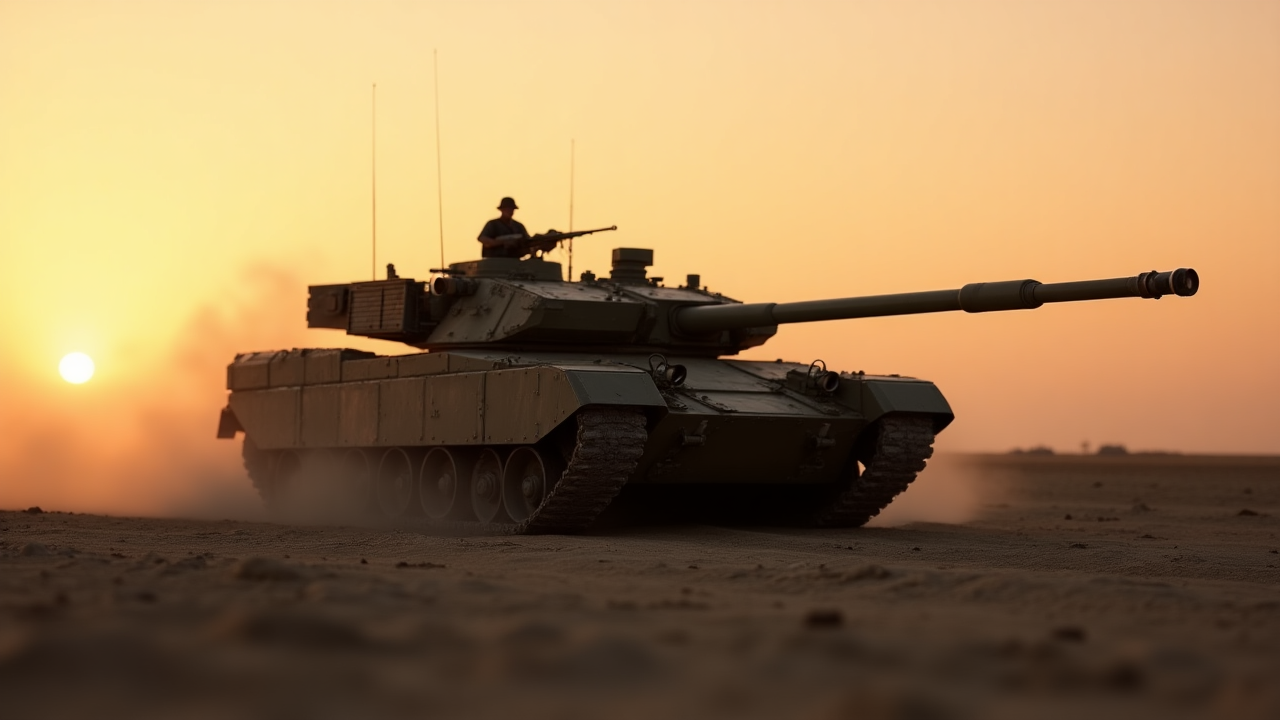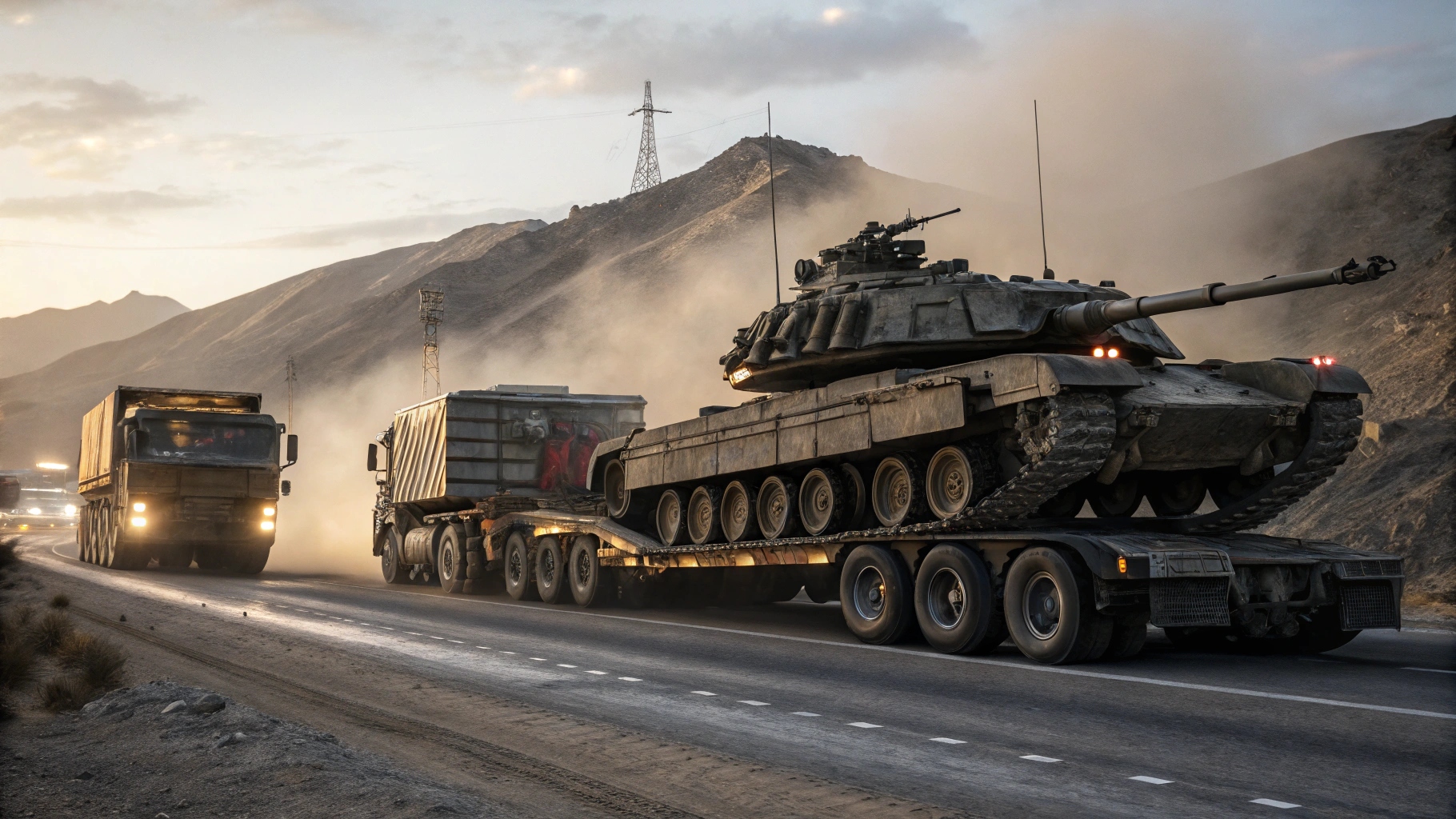
The Indian Army is advancing a broad modernization and life-extension program for its T-72 Ajeya fleet to ensure that a large portion of the tanks remain combat-ready for years to come. Defence sources say the Army intends to retain nearly half of its approximately 2,400 T-72 tanks even as India prepares for the eventual introduction of the Future Ready Combat Vehicle (FRCV).
Since entering service in the 1980s, the T-72 has formed the backbone of India’s armoured formations. Although newer platforms such as the T-90 Bhishma have gradually joined the fleet, the T-72 continues to play a central role in the Army’s armoured corps. With the FRCV program still under development, the Army has decided to upgrade and refurbish a substantial portion of its existing tanks to maintain operational readiness.
Officials involved in the modernization roadmap say the T-72 will remain a key element of India’s armoured forces until the FRCV begins entering service around 2030, while some upgraded tanks may continue operating in secondary roles until about 2040. The lengthy development cycle of the FRCV has made interim upgrades necessary to preserve the Army’s armoured combat capability.
As part of these efforts, India signed a contract worth about $248 million in March 2025 with Rosoboronexport for the delivery of 1,000 new 1,000-horsepower engines for the T-72 fleet. The new engines are expected to restore mobility and improve the operational performance of tanks whose original powerplants have deteriorated after decades of service.
Defence planners believe the FRCV program itself could take seven to eight years to reach full production clearance, given that it involves the design and development of an entirely new generation of armoured vehicles. Even after approval, large-scale induction will take additional time. If orders are placed in batches of roughly 500 tanks, it may take six to seven more years before the Army receives enough units to replace a significant share of its existing fleet.
To bridge this gap, the Army has accelerated upgrades to enhance the T-72’s battlefield effectiveness. One of the key improvements is the integration of Thermal Imaging Fire Control Systems (TIFCS), which enable crews to detect and engage targets at night and in low-visibility environments. By February 27, 2026, TIFCS had been installed on an initial batch of 96 tanks, marking the start of a broader modernization drive.
Thermal imaging technology represents a major step forward compared with older optical targeting systems, as it allows crews to identify enemy vehicles through heat signatures rather than relying solely on daylight conditions. This capability significantly improves both survivability and combat performance in modern warfare, where night operations are increasingly common.
Alongside technological upgrades, India has expanded its tank maintenance infrastructure. In January 2026, Vehicle Factory Jabalpur completed a pilot project to overhaul legacy T-72 tanks and restore them to “zero-hour” condition, effectively resetting their operational life.
Previously, large-scale tank overhauls were mainly carried out by Heavy Vehicles Factory Avadi in Tamil Nadu. The addition of Vehicle Factory Jabalpur significantly increases the Army’s capacity to refurbish older tanks more quickly by distributing work across multiple facilities.
India is also exploring opportunities to offer its maintenance expertise to international operators. With the T-72 still widely used across the world, India aims to position itself as a global hub for maintenance, repair, and overhaul services.
Several countries in Africa, the Middle East, and Southeast Asia continue to operate large fleets of T-72 tanks and may prefer affordable upgrade packages rather than purchasing entirely new platforms. India’s modernization program could therefore serve as a model for export-oriented upgrade solutions that combine improved fire-control systems, refurbished engines, and extended service life.