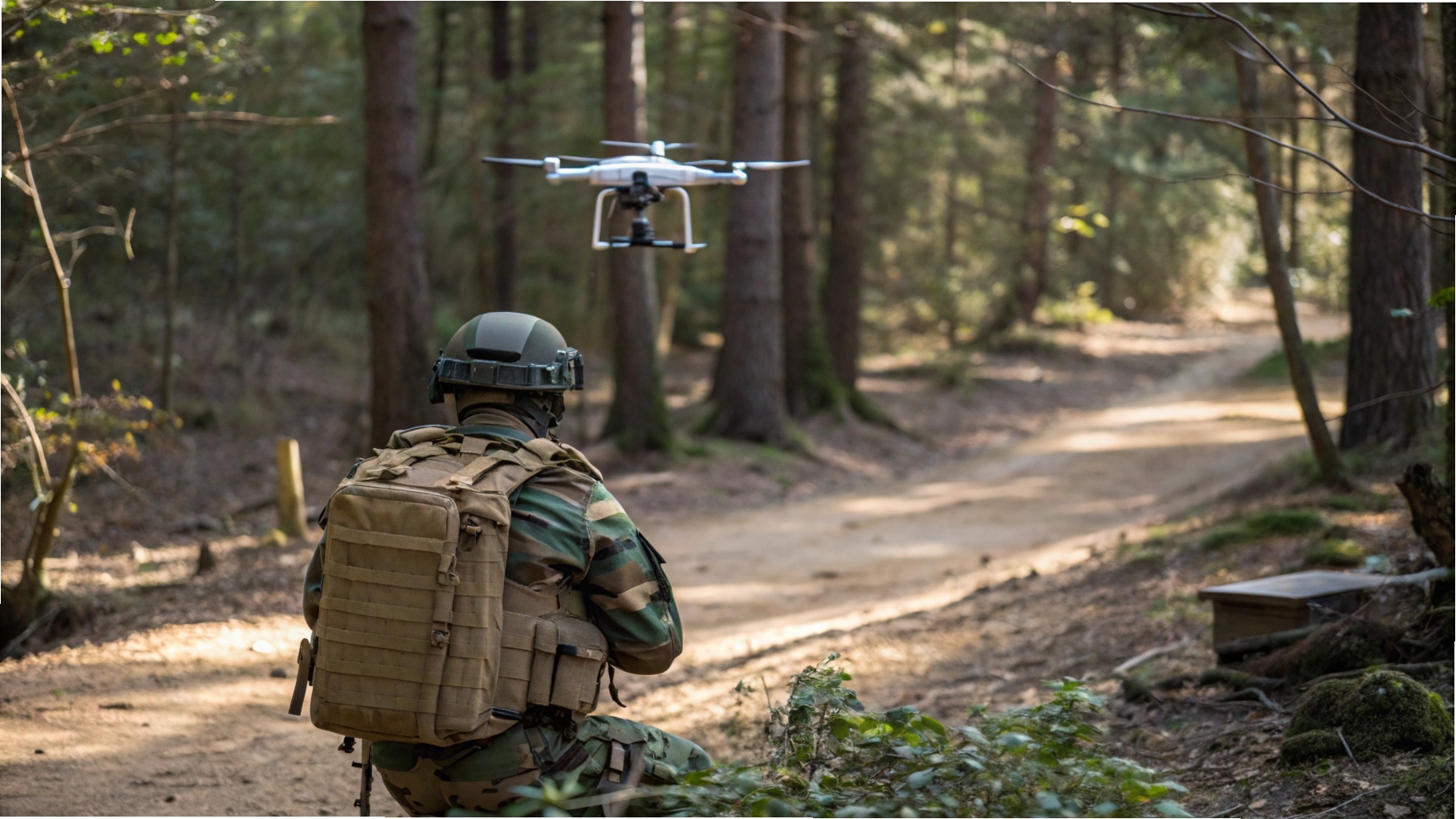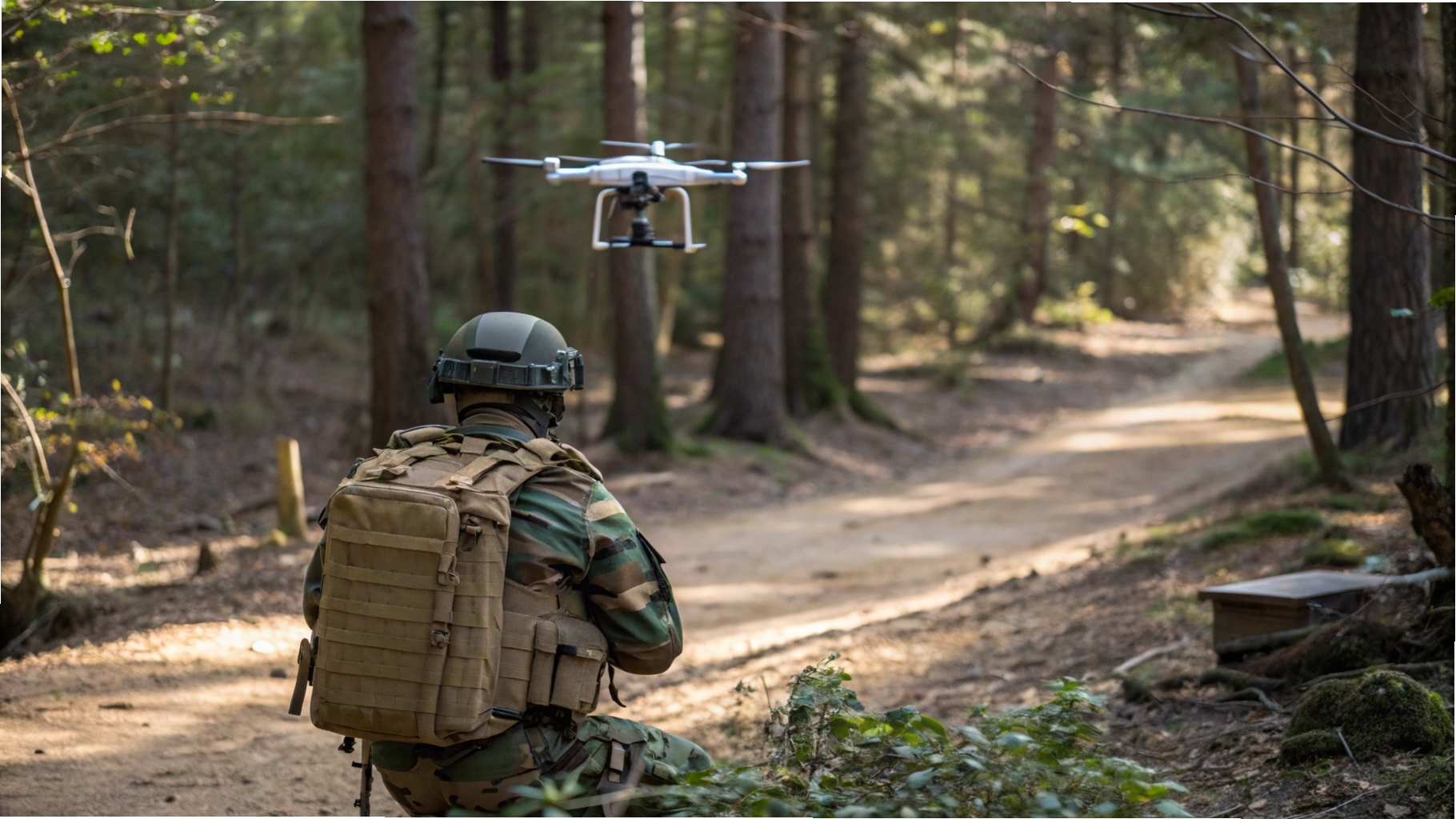
The U.S. Marine Corps has rolled out a new training and certification framework designed to rapidly scale the number of Marines qualified to operate small unmanned aerial systems, reflecting the growing operational importance of drones on the modern battlefield.
The initiative introduces standardized instruction to support emerging platforms, including commercially derived first-person-view attack drones such as the Neros Archer. The effort complements the Department of Defense’s plan to begin deploying large numbers of attack drones from March 2026, with expanded fielding expected in the years that follow.
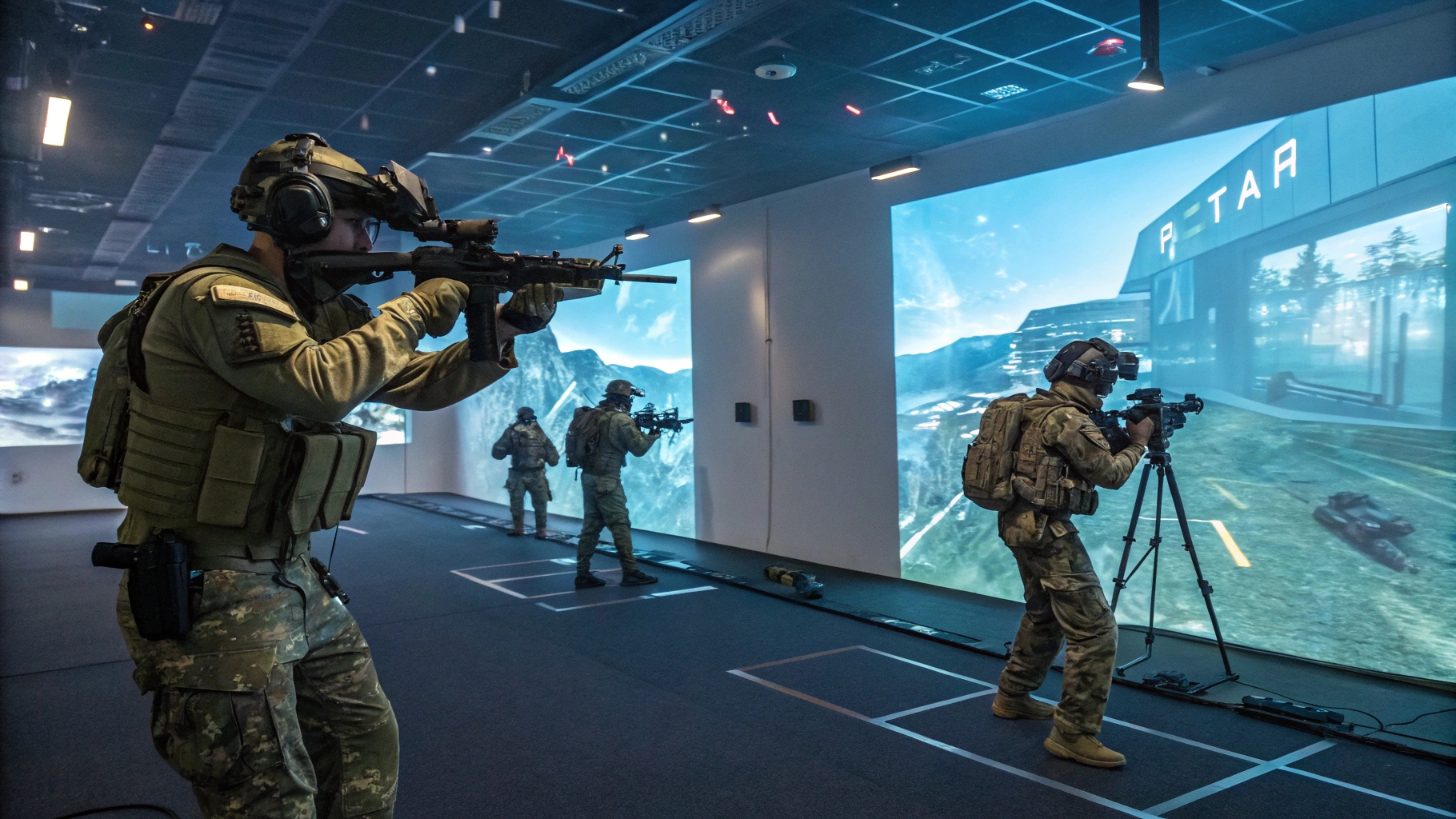
Under the framework developed by the Marine Corps Training and Education Command, six pilot training courses and eight certification tracks will be established to cover a range of functions, including basic UAS operation, FPV strike missions, payload employment, and instructor qualification. Participation is open across military occupational specialties, ensuring broad integration of unmanned systems into Marine Corps operations.
Seven units and institutions have been designated as regional centers to deliver the training, including operational formations, service schools, and Marine Forces Special Operations Command. The Weapons Training Battalion at Marine Corps Base Quantico will serve as the interim central hub, overseeing curriculum standardization, certification processes, and safety management.
The program builds on recent training and certification activities conducted with the 22nd Marine Expeditionary Unit, as well as competitive events in the National Capital Region and Okinawa. Initial cohorts have already certified instructors, payload specialists, and drone pilots, and the Marine Corps expects to qualify hundreds more personnel in the coming months. By May 2026, FPV attack drone capabilities are planned to be organic to all infantry, reconnaissance, and littoral combat units.