
In modern warfare, conflict serves not only as a demonstration of military strength but also as a driver of innovation, knowledge development, and the rapid deployment of operational capabilities. It is also a moment when domestic defence industries must prove their effectiveness. In this context, SSS Defence has introduced the T-12 Counter-Unmanned Aerial System (CUAS) kinetic kill suite, a fully indigenous solution that integrates the weapon platform, optics, and specialized ammunition.
Marketed as a product built on Indian engineering and design expertise, the T-12 system distinguishes itself from imported or partially assembled solutions commonly seen in the defence market. The manufacturer emphasizes that the system is not derived from American, Turkish, German, or Russian technology but is instead a domestically developed platform tailored to address the growing threat posed by small unmanned aerial systems on modern battlefields.
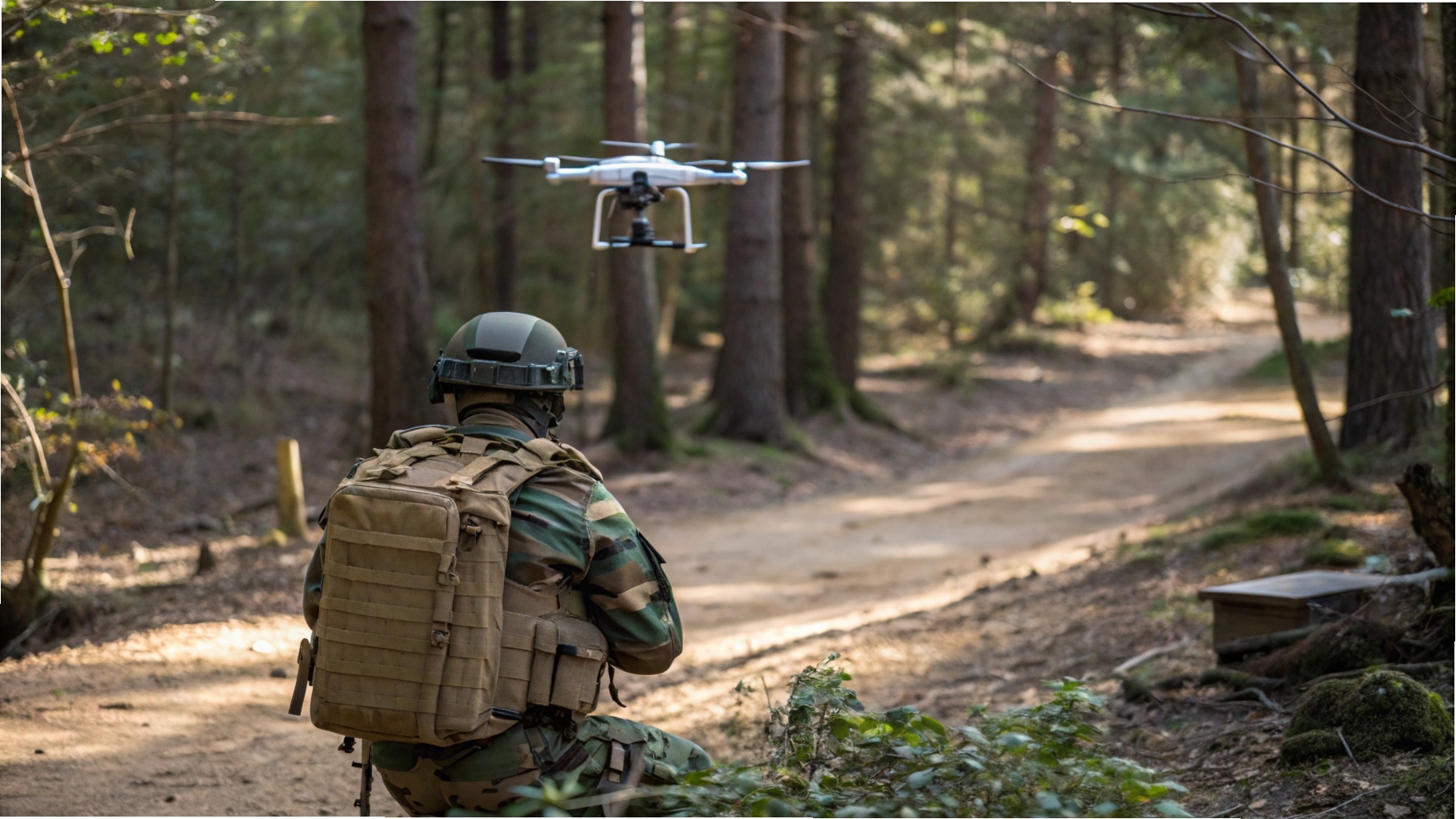
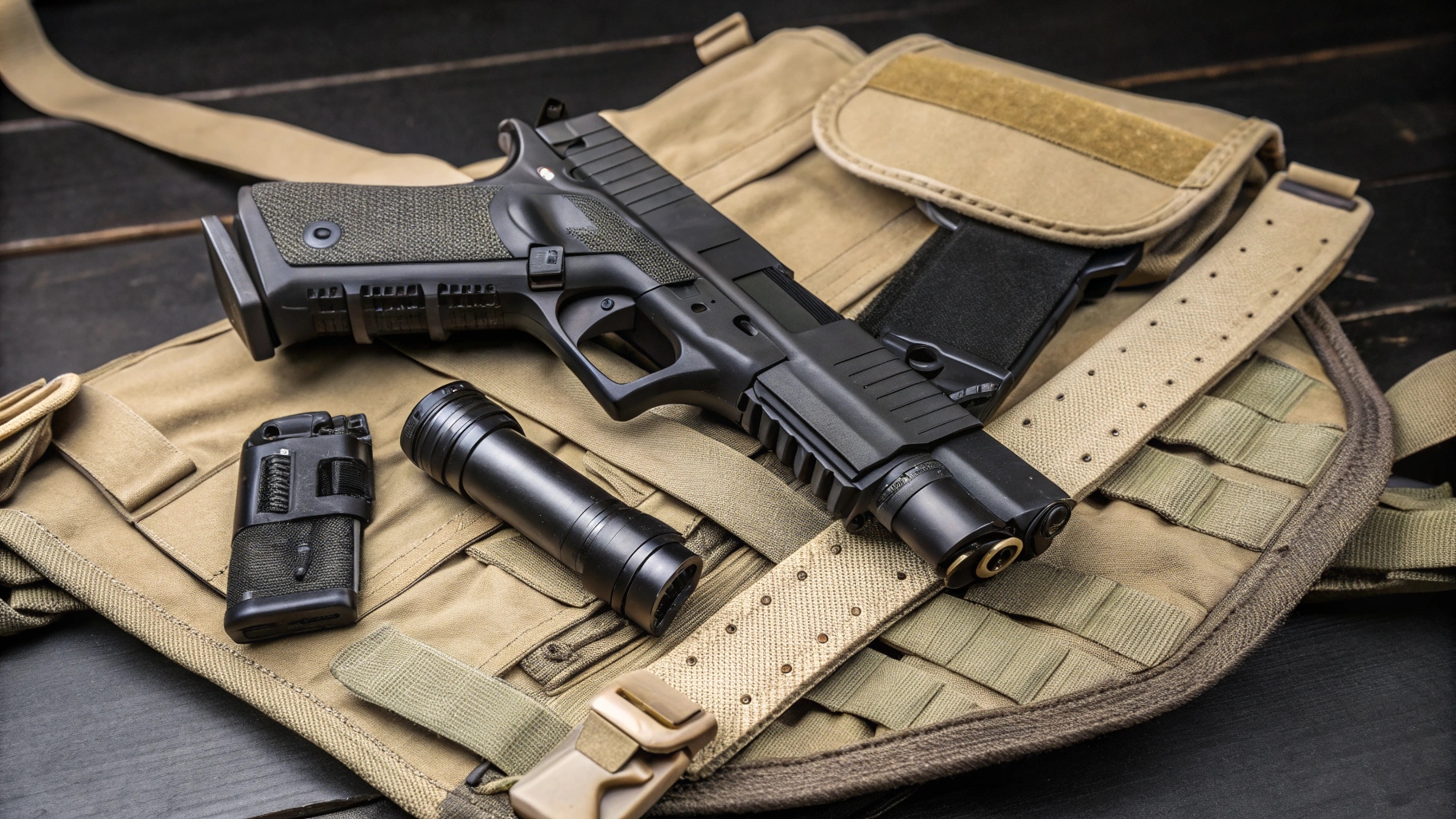
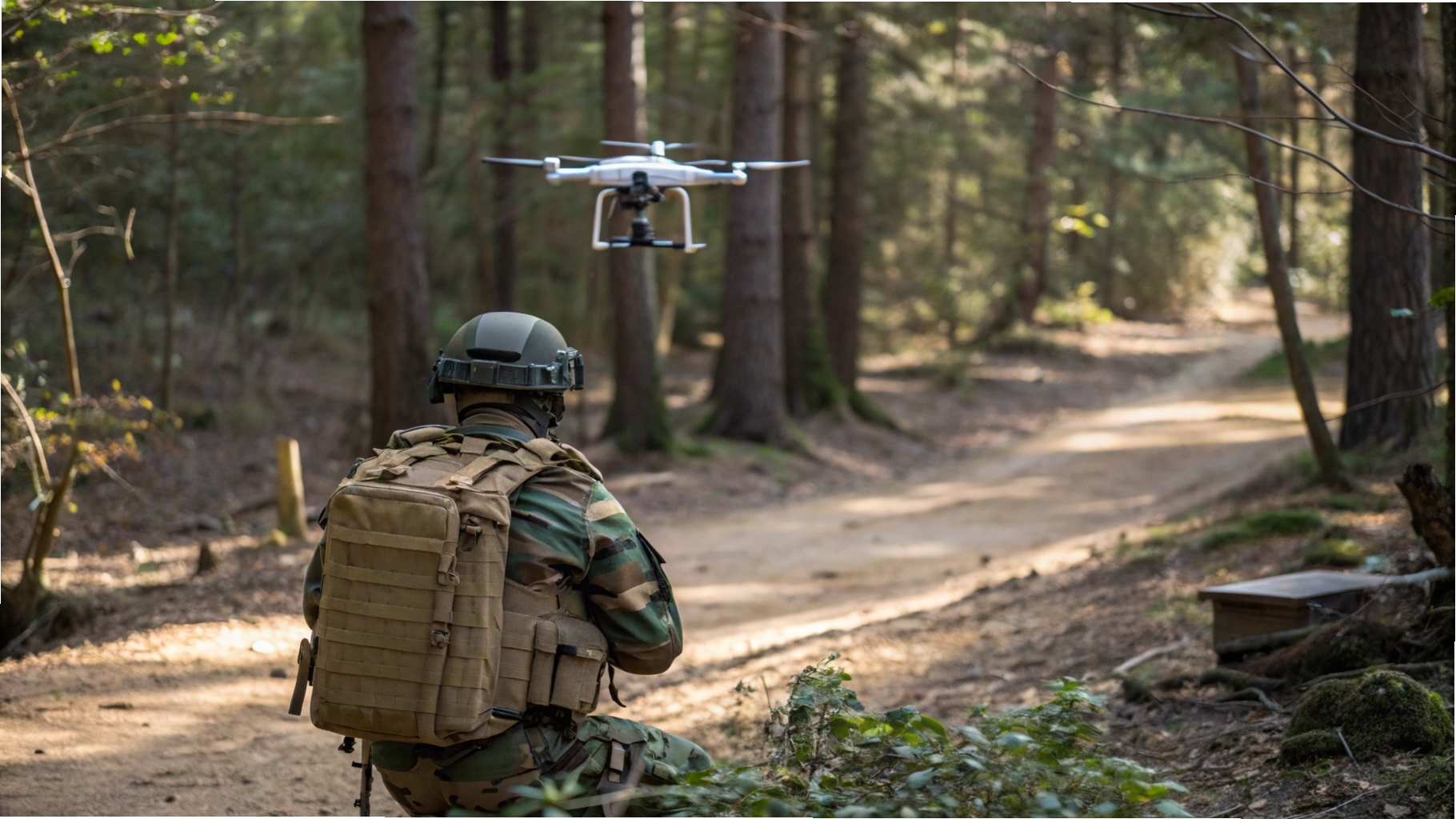
SSS Defence has released demonstration footage showing a drone being neutralized at a distance of 90 meters using the T-12 kinetic kill configuration. In counter-drone operations—particularly against quadcopters and low-flying tactical UAVs—engagement distances are often short and reaction times limited. The system integrates a man-portable weapon, specialized optics designed for rapid target acquisition, and ammunition optimized for engaging drones.
Unlike electronic warfare solutions that rely on jamming signals, kinetic counter-drone systems physically destroy or disable the target. This ensures immediate neutralization without depending on spectrum control or electronic disruption. In situations where drones operate autonomously, follow pre-programmed routes, or incorporate anti-jamming measures, kinetic interception can be one of the most reliable methods of eliminating the threat.
There is ongoing debate among defence analysts about the effectiveness of kinetic systems against drones. Critics argue that no kinetic engagement guarantees a perfect probability of kill and that intercepting drones at close range places soldiers in significant danger. However, such concerns reflect the realities of counter-drone warfare.
For troops operating in forward positions or high-intensity combat zones, the choice can be stark. When a hostile drone approaches with potentially lethal payloads, the option to engage it immediately may be the only way to prevent catastrophic damage. Counter-drone engagements at close range are often rapid and unforgiving, representing a matter of survival rather than precision warfare.
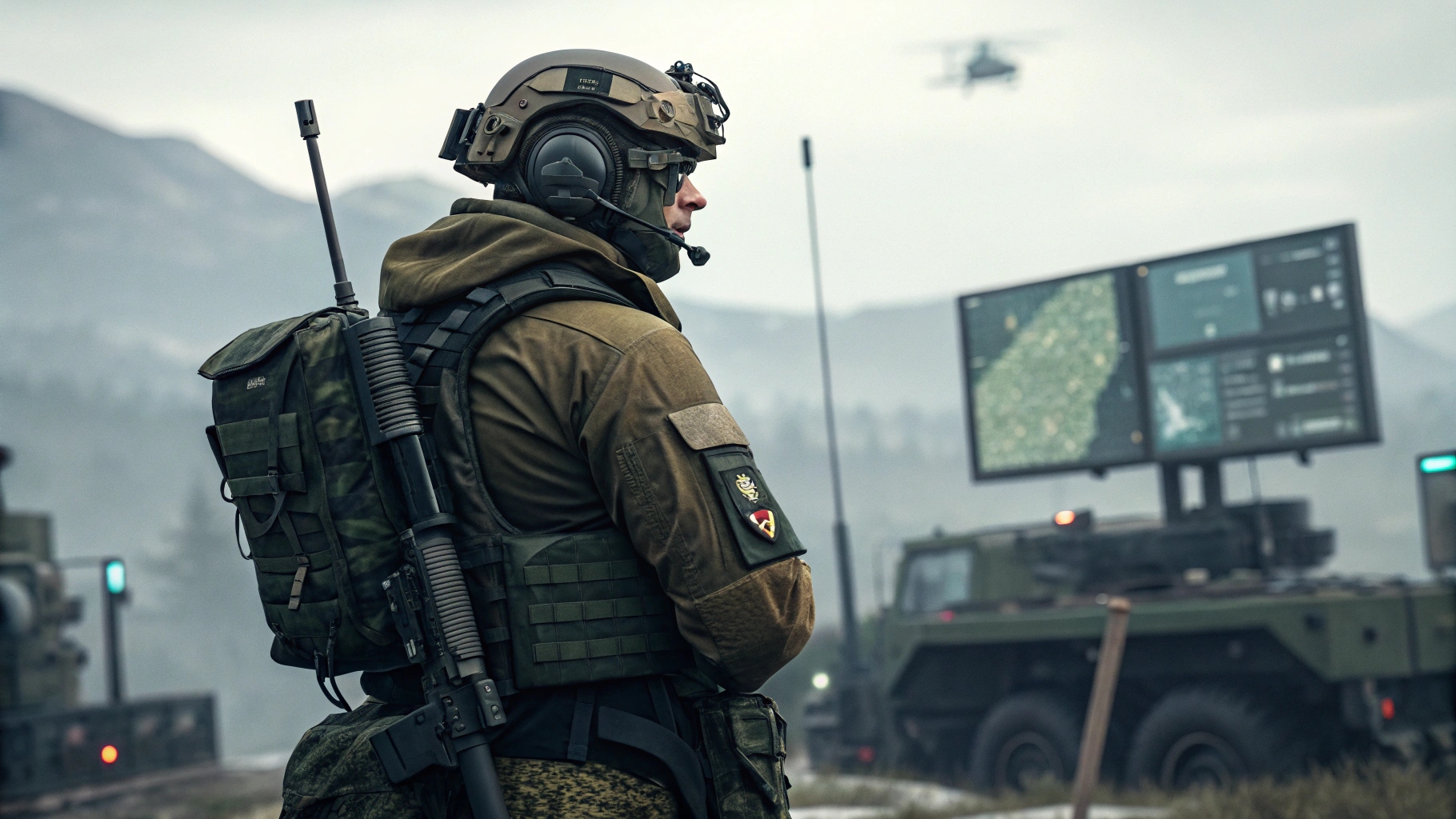
The T-12 CUAS suite is designed specifically for this last-line-of-defence role. As a man-portable system, it can be deployed at the section or platoon level, providing soldiers with a direct response capability. In fast-moving combat environments where drones operate at low altitude and short range, layered air defence systems may not always be available, making soldier-level counter-UAS solutions essential.
Recent conflicts have highlighted the importance of such capabilities. Images of soldiers in Ukraine training with kinetic CUAS systems have become symbolic of how modern militaries are adapting to the widespread use of drones. The conflict in Eastern Europe has demonstrated that small UAVs are no longer secondary tools but central assets used for reconnaissance, targeting, and direct attack.
Ukrainian forces have responded by building strong small-unit counter-drone proficiency, including kinetic engagement drills. Their experience shows that counter-UAS capability must be distributed across the battlefield and embedded within frontline units.
If kinetic counter-drone systems have proven effective in one of the most drone-intensive battlefields in recent history, it underscores the importance of equipping soldiers with similar capabilities elsewhere. The T-12 suite reflects this doctrinal shift, aligning with the need for decentralized, soldier-centric counter-UAS solutions.
Beyond its operational value, the T-12 CUAS kinetic kill suite also highlights the broader story of India’s evolving defence industry. Indigenous development of weapons, optics, and specialized ammunition demonstrates the growing maturity of the country’s domestic defence manufacturing ecosystem.
Defence self-reliance is not only about strategic independence but also about agility. When threats evolve rapidly—as seen with the proliferation of drones—local companies can adapt designs and deploy solutions faster than traditional import-driven procurement systems.
The T-12 system therefore illustrates how private-sector innovation can support military requirements while strengthening national defence capabilities. It also underscores the importance of closer collaboration between soldiers providing operational feedback and industry teams responsible for design and development.