
Northrop Grumman has completed the first launch of its newly digitized Intercontinental Ballistic Missile (ICBM) target vehicle, a milestone intended to enhance US missile defense testing against emerging and advanced threat profiles.
The flight test introduced the company’s latest target design, optimized to closely mirror long-range ballistic missile behavior during Missile Defense Agency evaluations. The vehicle successfully met all performance benchmarks and utilized a retired Peacekeeper ICBM second-stage motor supplied by the US Space Force under its Rocket Systems Launch Program.
ICBM target vehicles are essential to verifying the effectiveness of systems such as Aegis Ballistic Missile Defense and the Ground-Based Midcourse Defense architecture. Northrop Grumman has delivered 27 targets since 2011 and has supported 12 successful launch missions.
The redesigned target vehicle differs from earlier generations by adopting a digital-first development approach. Northrop reported that digital engineering reduced Pathfinder field execution by 25 percent, while improving launch readiness, safety, and system integration.
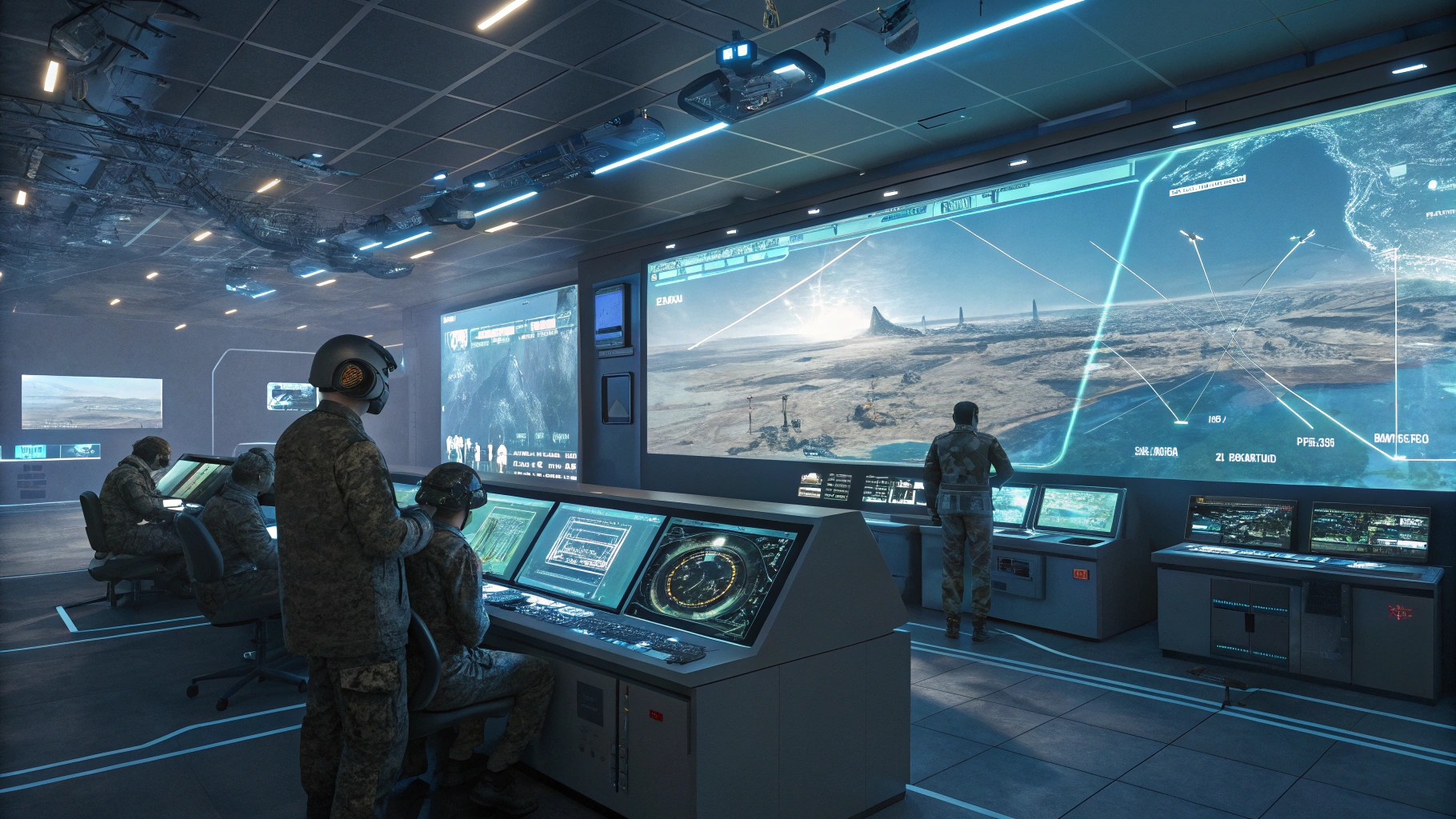
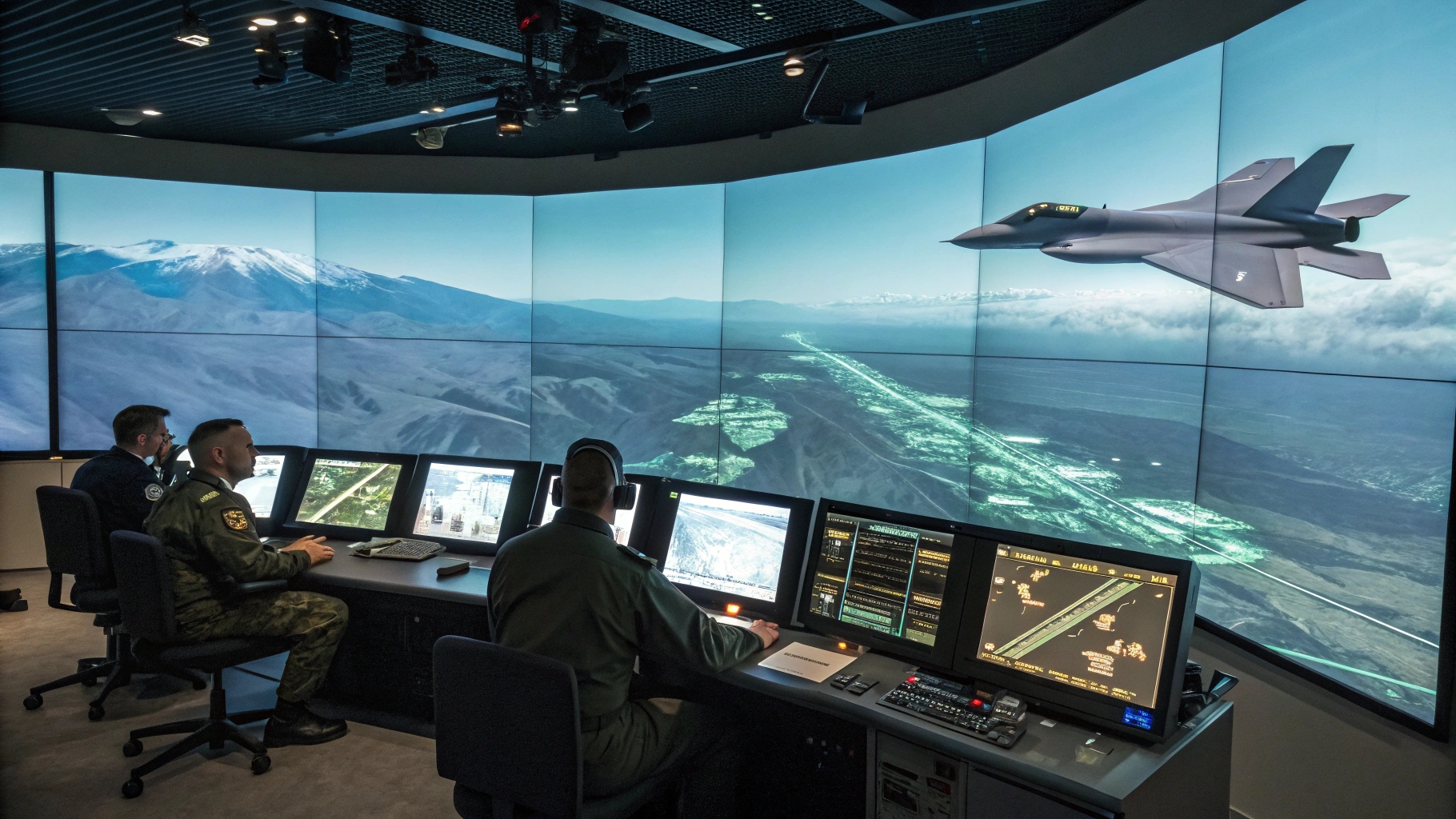
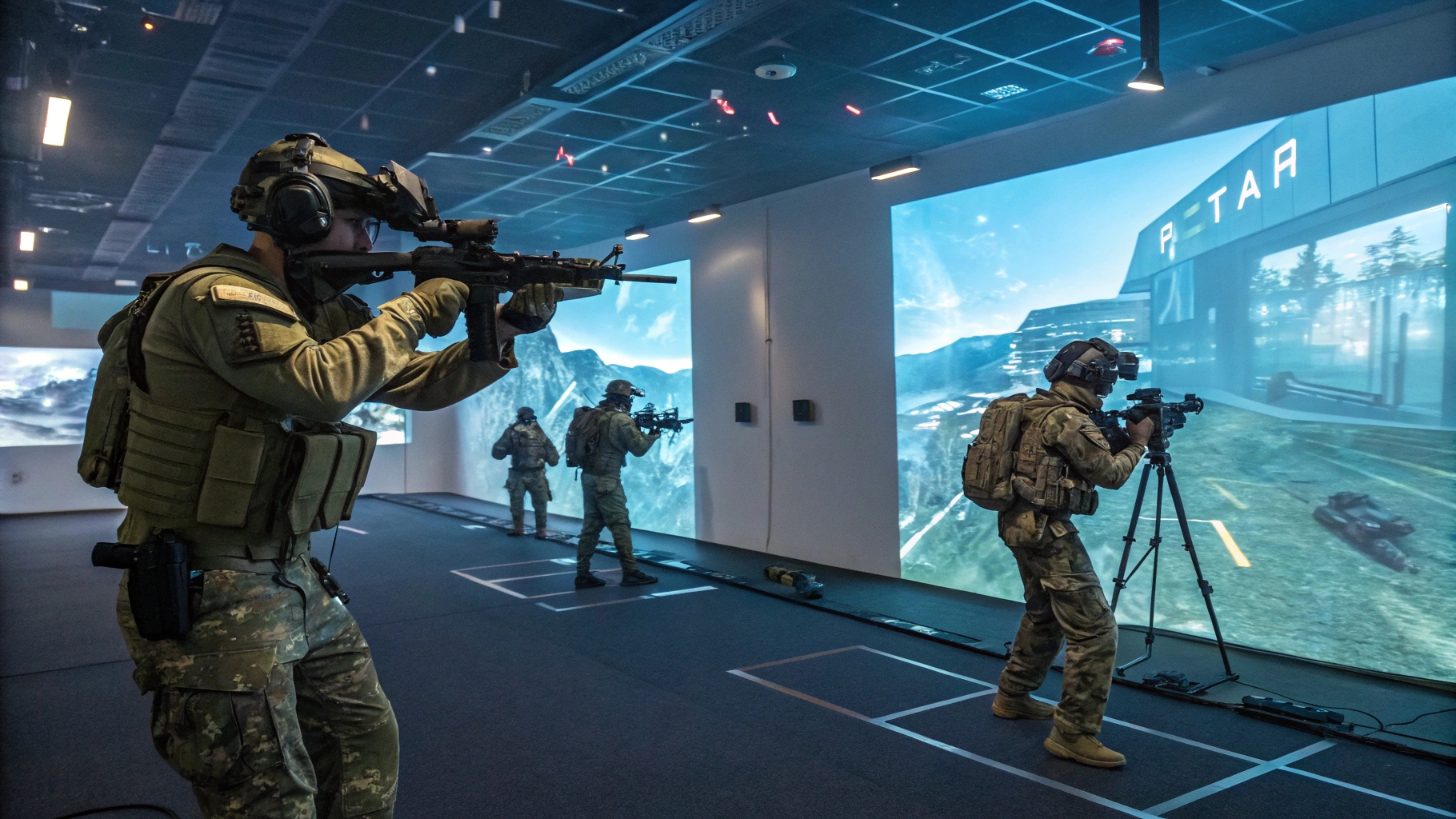
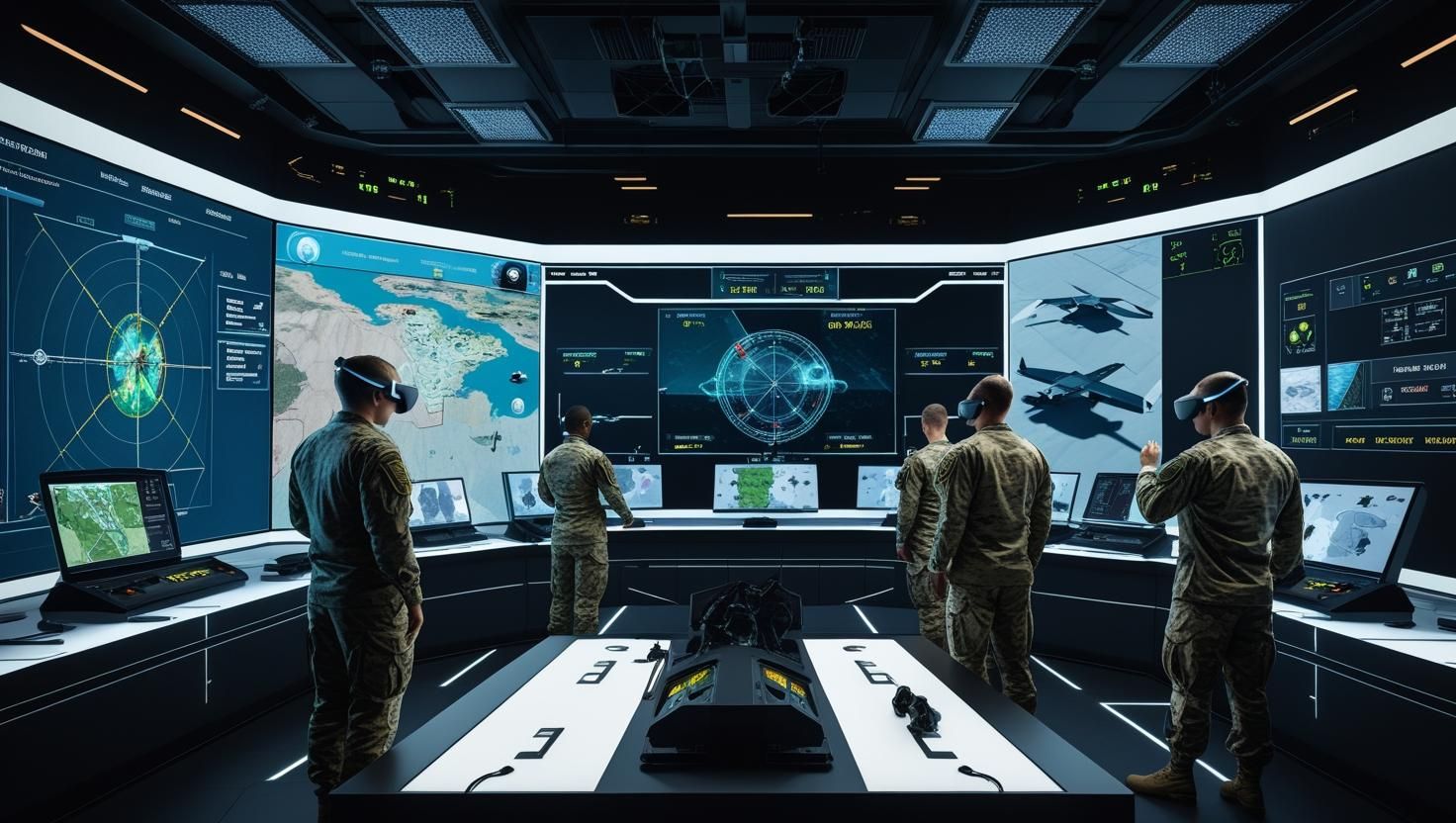
Throughout development, engineers employed a digital twin to maintain alignment between design, manufacturing, testing, and physical integration. Virtual reality tools were used to simulate factory workflows and stacking operations before hardware assembly, enabling early identification and resolution of integration challenges. Augmented reality was also applied during interstage assembly, decreasing build time and lowering the likelihood of mechanical errors.
This launch aligns with a broader shift across US missile programs toward digital transformation. Lockheed Martin’s Next Generation Interceptor—central to the Missile Defense Agency’s Ground-Based Midcourse Defense system—completed a digital All-Up-Round Preliminary Design Review in 2023 using advanced digital and model-based engineering tools.
Northrop Grumman’s ICBM target redesign represents a sustained effort to modernize test assets, including the replacement of legacy propulsion hardware with an upgraded SR119 first stage and the adoption of virtual and augmented reality for integrated factory planning.