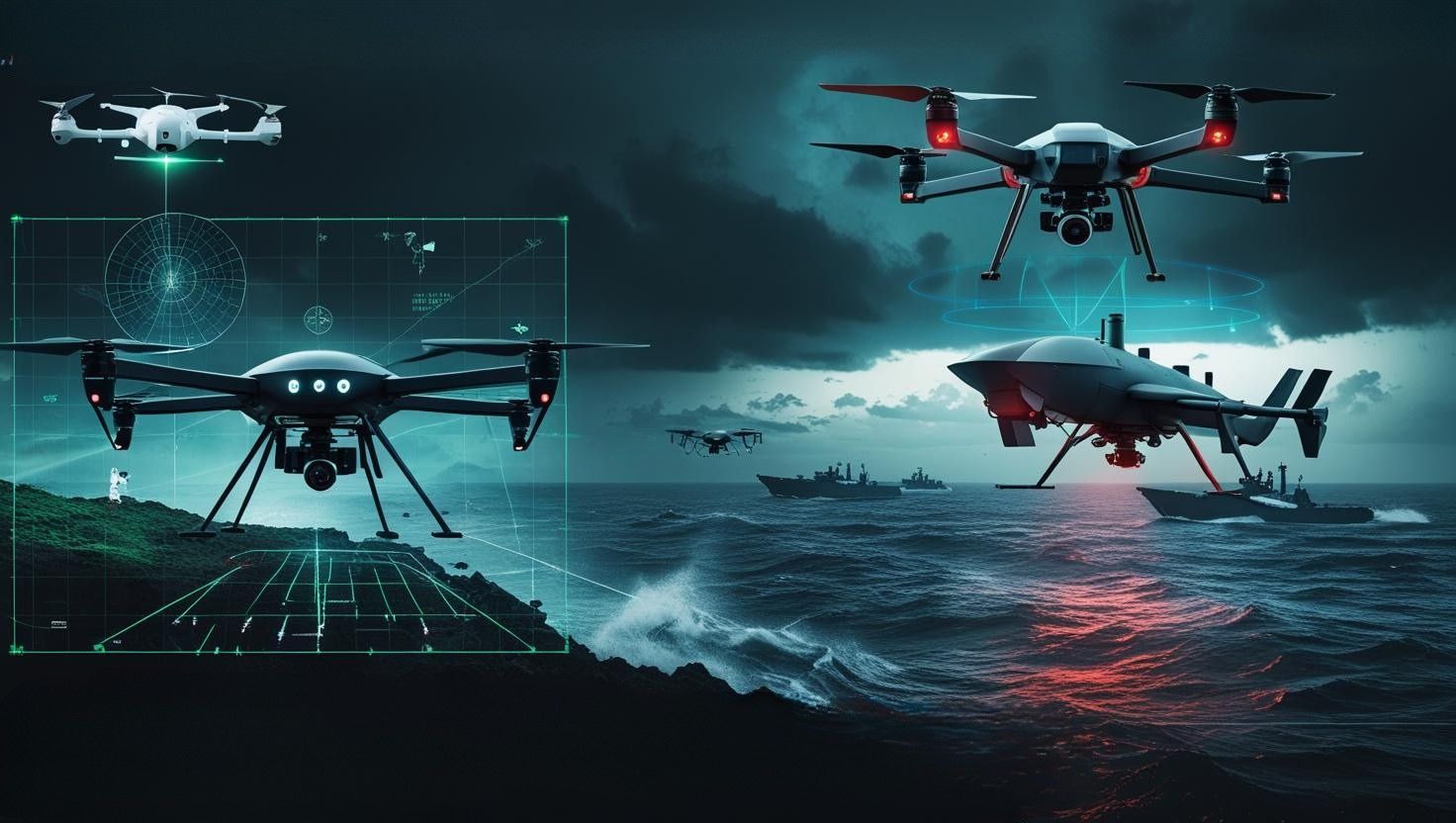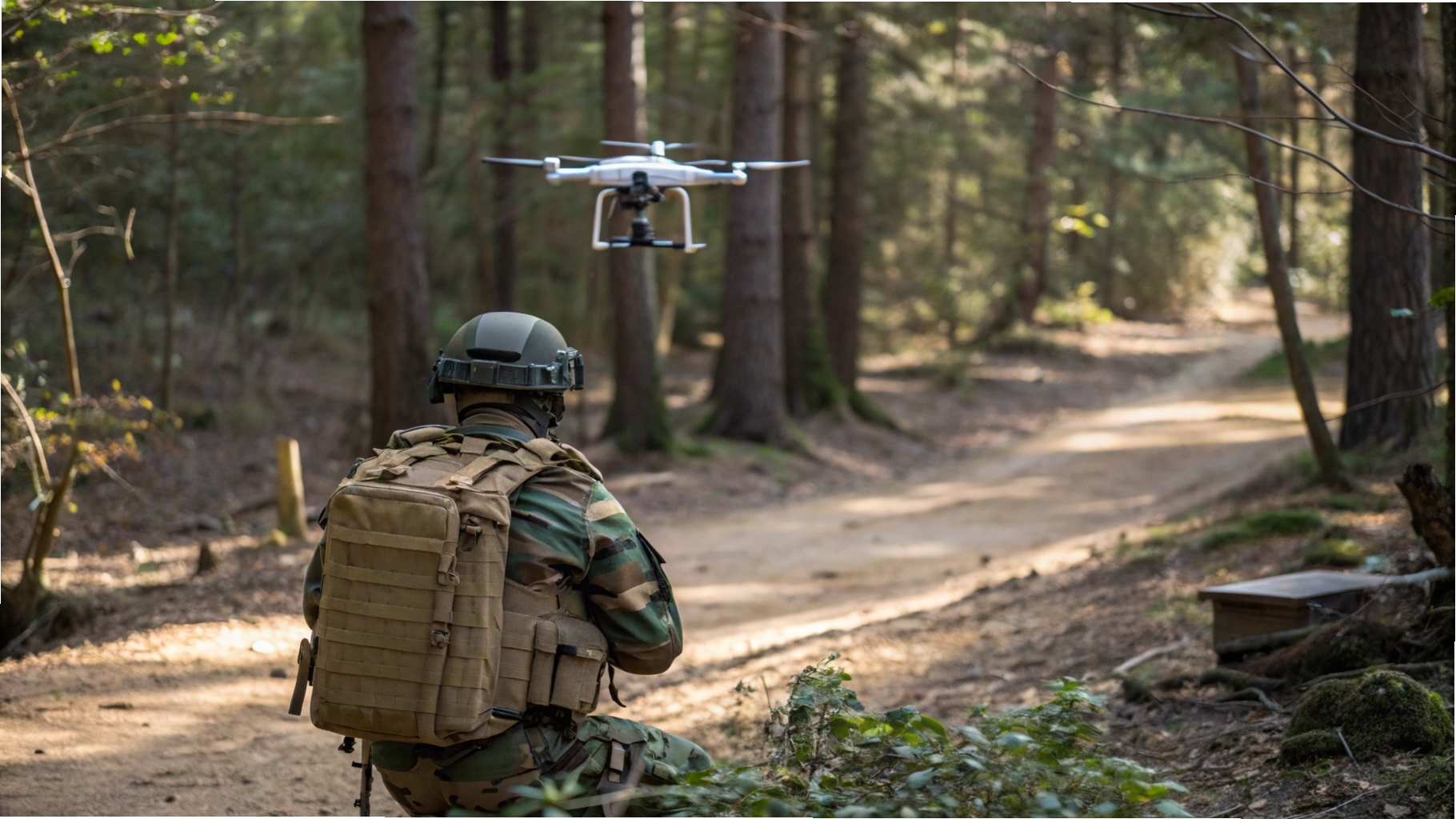

Under Defence India Startup Challenge 14 (DISC 14), India has identified a critical weakness in Army Aviation and is seeking industry solutions for a helicopter-integrated anti-drone system. The initiative reflects the evolving threat posed by small unmanned aerial systems, including FPV drones and kamikaze platforms, which are increasingly being used to target helicopters in vulnerable flight phases. The Indian Army’s requirement focuses on a compact, flight-qualified counter-UAS system capable of detecting, alerting, and neutralising threats in real time.
Helicopters operating in reconnaissance, utility, and attack roles—such as the HAL Light Combat Helicopter—face growing risks from stealthy drone tactics, including low-signature approaches and swarm attacks. The absence of onboard detection systems creates a significant blind spot, especially in contested or high-altitude operational zones. Current counter-drone solutions are either ground-based or unsuitable for airborne deployment due to weight and power constraints.
The envisioned system will combine advanced technologies such as RF signal monitoring, AI-driven threat classification, and directional jamming to counter drone activity effectively. Passive sensing will form the backbone of detection, with optional active systems enhancing performance. Integration with helicopter avionics will ensure minimal interference while maintaining operational efficiency.
Intended for use across multiple mission scenarios—including patrols, logistics, and combat sorties—the system will provide critical early warning and defensive capability during vulnerable flight conditions. Its deployment will enhance mission survivability and flexibility, particularly in mobile operations where static defences fall short. Additionally, developing such a system domestically could open export opportunities as global demand for airborne counter-drone solutions continues to grow.