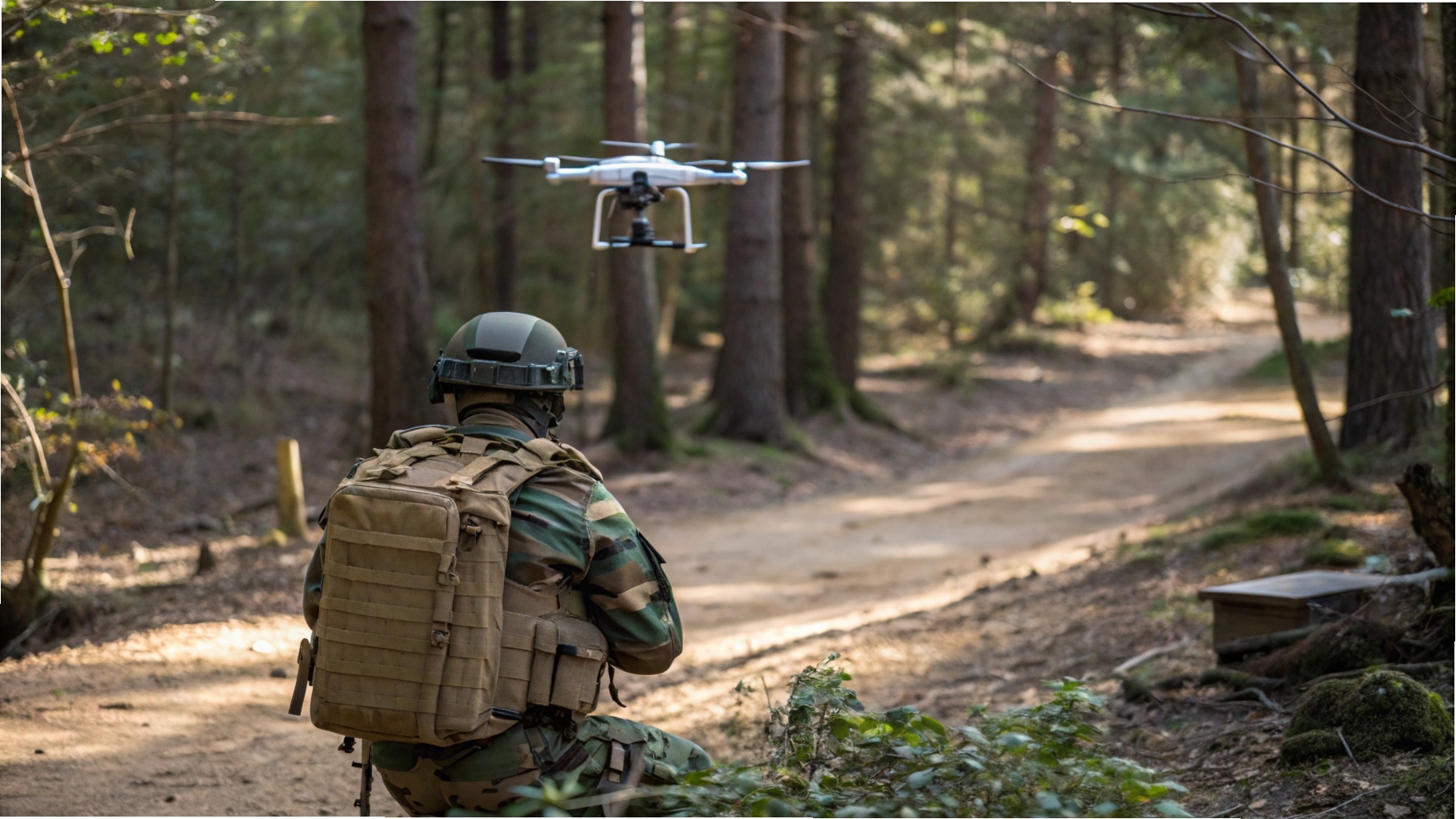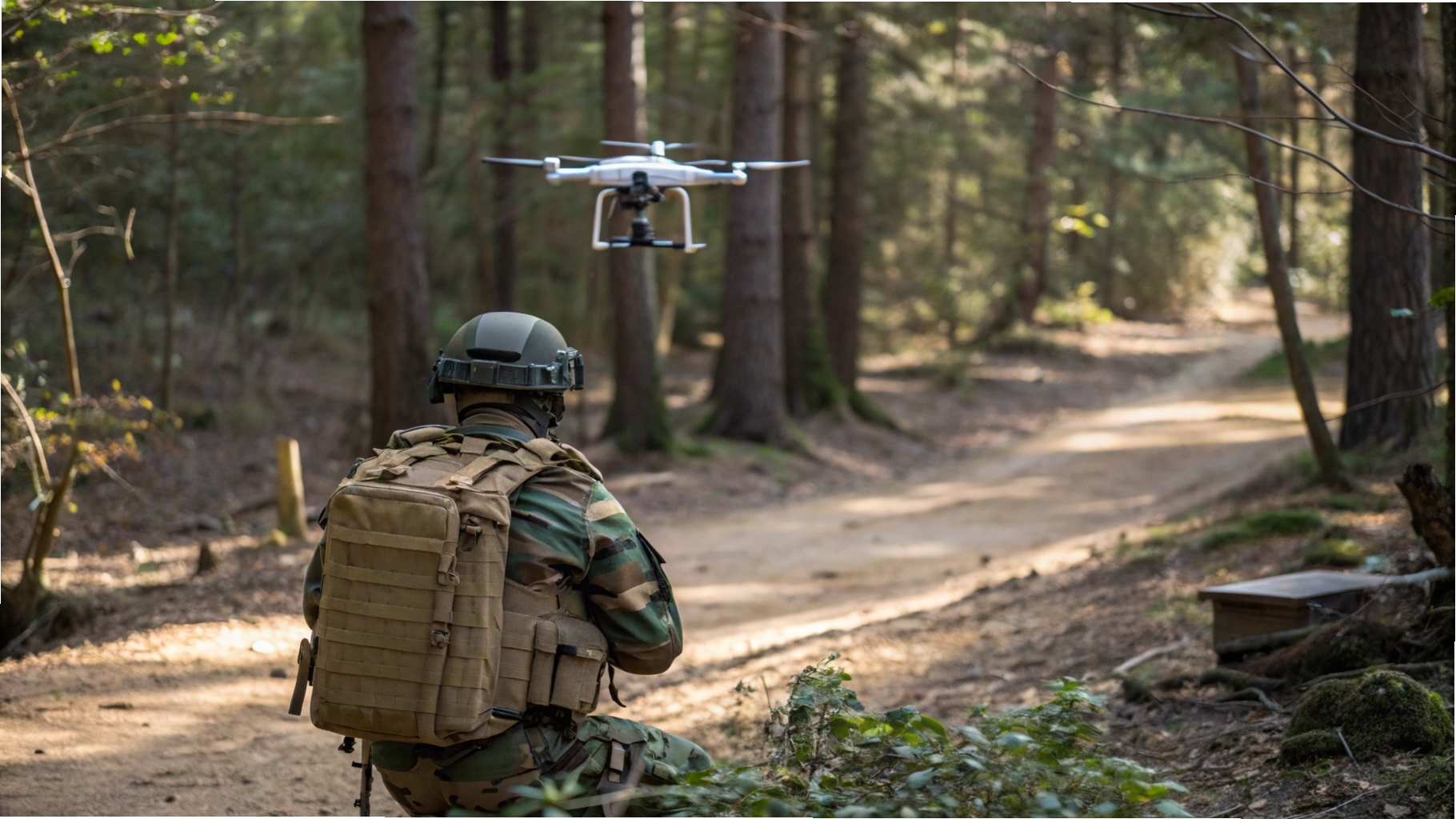

The Indian Air Force (IAF) has launched a new initiative to develop helicopter-deployed drones, aiming to extend the combat reach and improve the survivability of its rotary-wing platforms.
Dubbed Vaayu Baan, meaning “air arrow,” the program envisions an unmanned system capable of being launched from combat helicopters to conduct surveillance and precision strike missions. This capability is intended to enable stand-off operations while increasing flexibility in high-threat environments.
The project, led by the IAF’s Directorate of Aerospace Design, underscores rising concerns about the effectiveness of helicopters against advanced air defense networks, alongside the growing role of drones as adaptable and cost-efficient assets in modern combat scenarios.
This development aligns with broader international trends, including the British Army’s work on a loyal wingman concept for Boeing AH-64E Apache helicopters and the US Army’s ongoing Launched Effects program, which focuses on deployable air-launched munitions from rotary-wing aircraft.
Vaayu Baan System
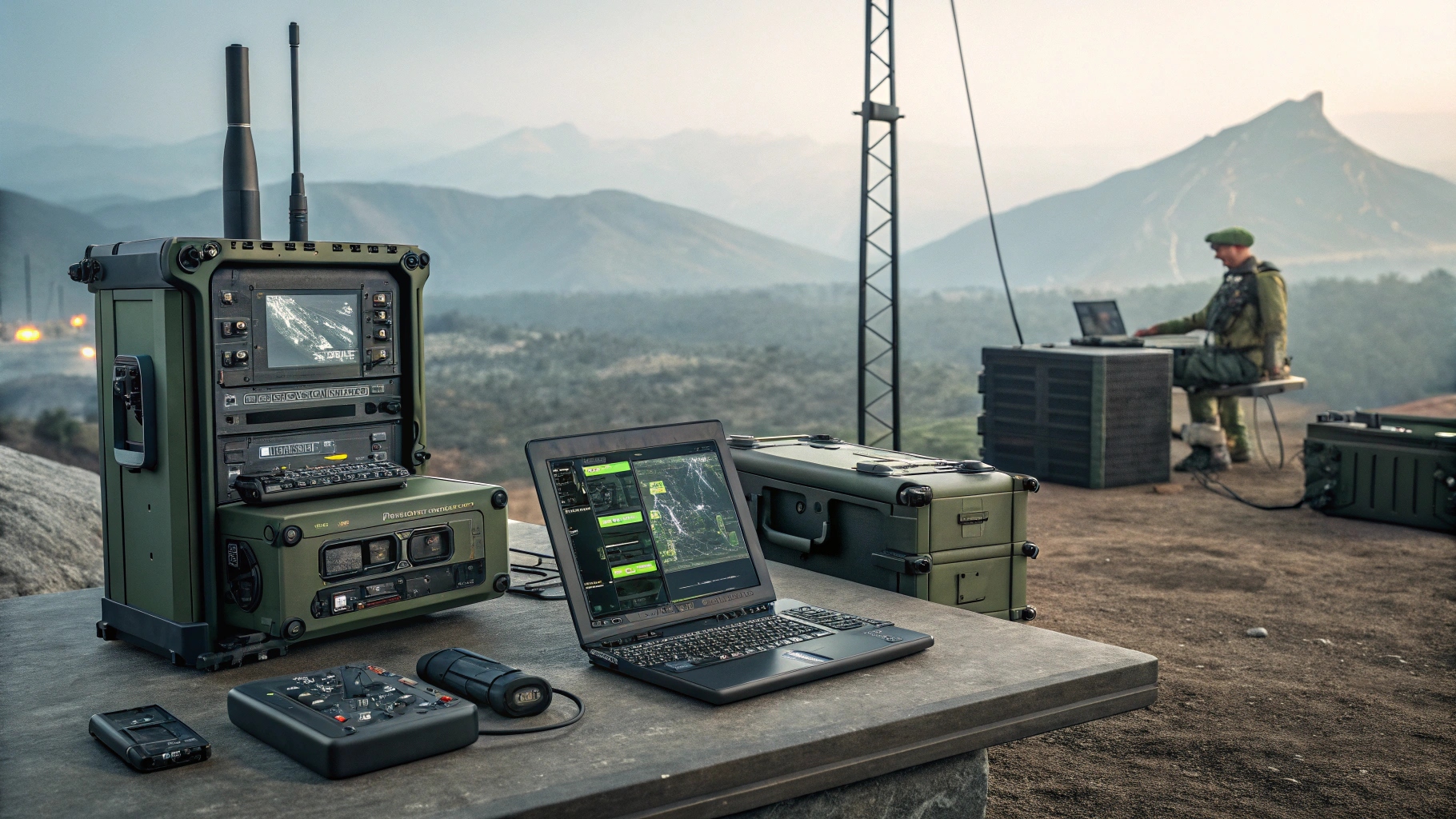
As per the request for proposal, the program includes the acquisition of 10 drones, supported by two airborne and two ground-based control stations, along with associated payloads and spare components.
The drone will be deployed via a helicopter’s door or hatch, transitioning from a controlled drop into powered flight through automatic wing deployment. It will be operable from both the host aircraft and ground control units.
The system will deliver real-time video intelligence and will also be capable of executing precision strike missions.
Technical Specifications
The platform will support a payload of up to 1 kilogram (2.20 pounds) and will feature modular integration for three payload categories: EO/IR sensors for surveillance and targeting, a minimum 500-gram (1.10-pound) warhead for offensive roles, and compatibility with 57mm and 80mm rockets.
It must operate within a controlled range of at least 10 kilometers (6.21 miles) from the launch platform, while also enabling autonomous missions exceeding 50 kilometers (31 miles) with a minimum flight endurance of 30 minutes.
Further requirements include functionality in GPS-denied conditions, AI-enabled target recognition, real-time telemetry capabilities, and flexible strike configurations.
The RFP specifies that the entire project must be completed, delivered, and fully integrated within a 12-month timeframe from the signing of the contract.