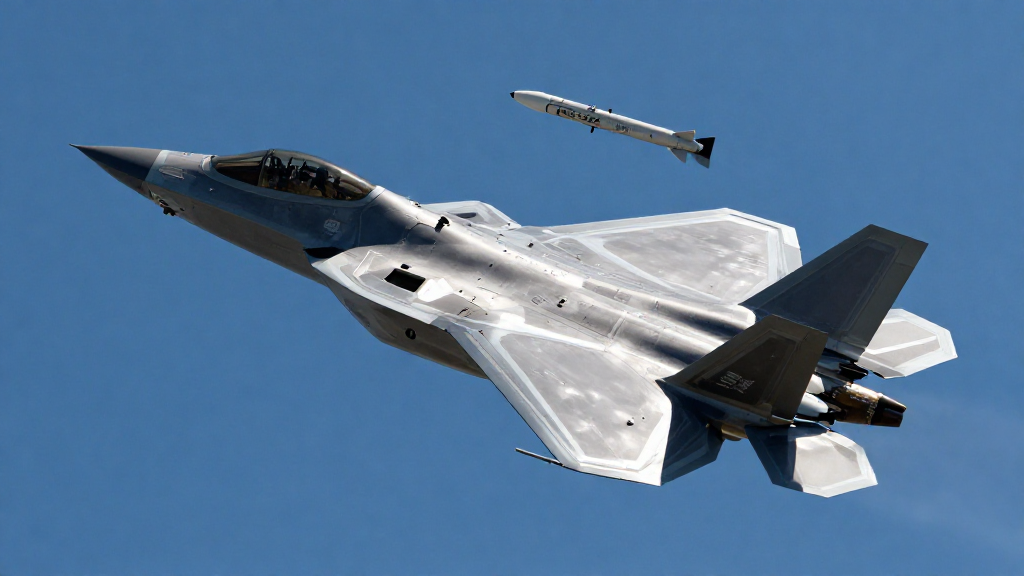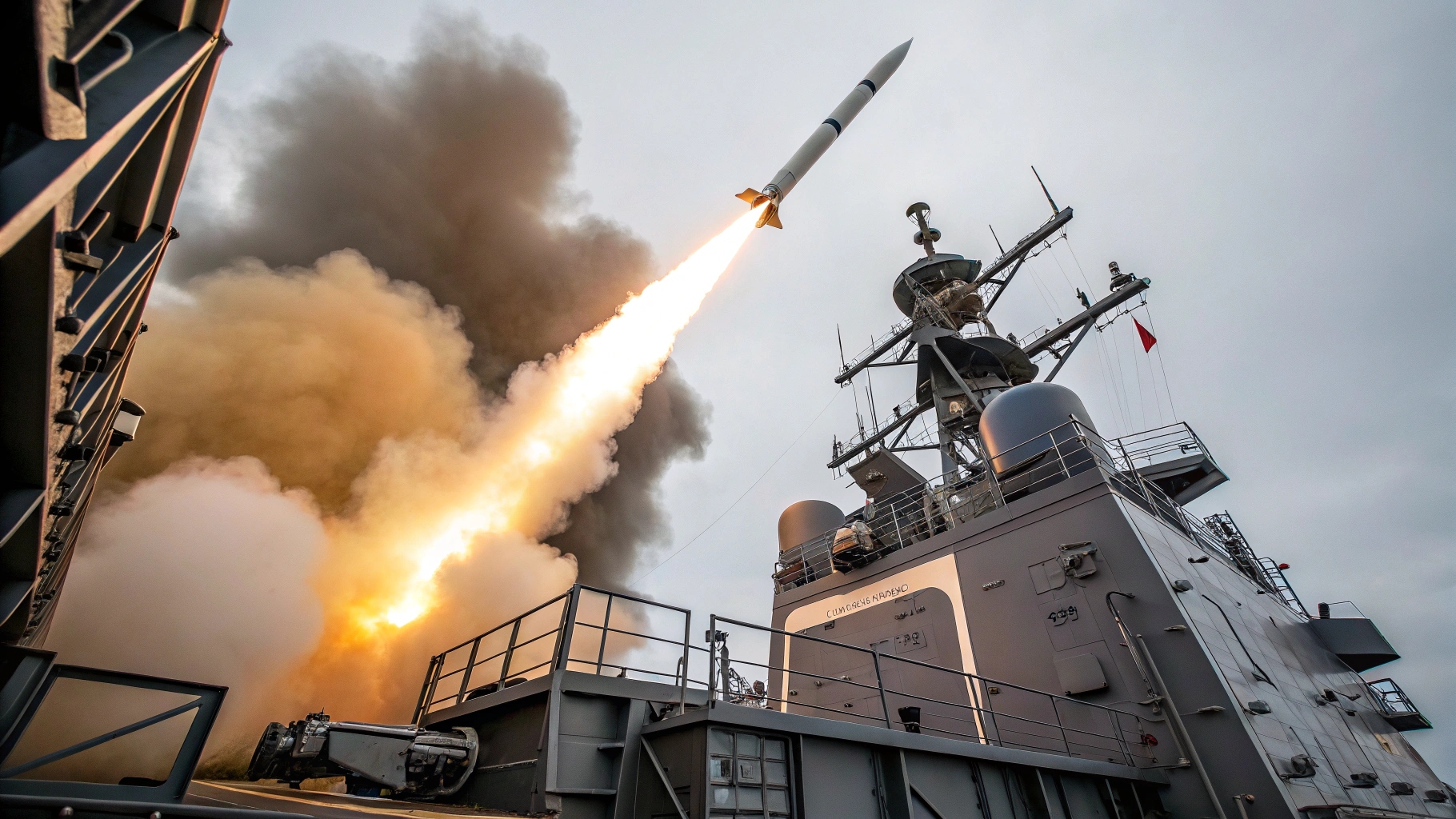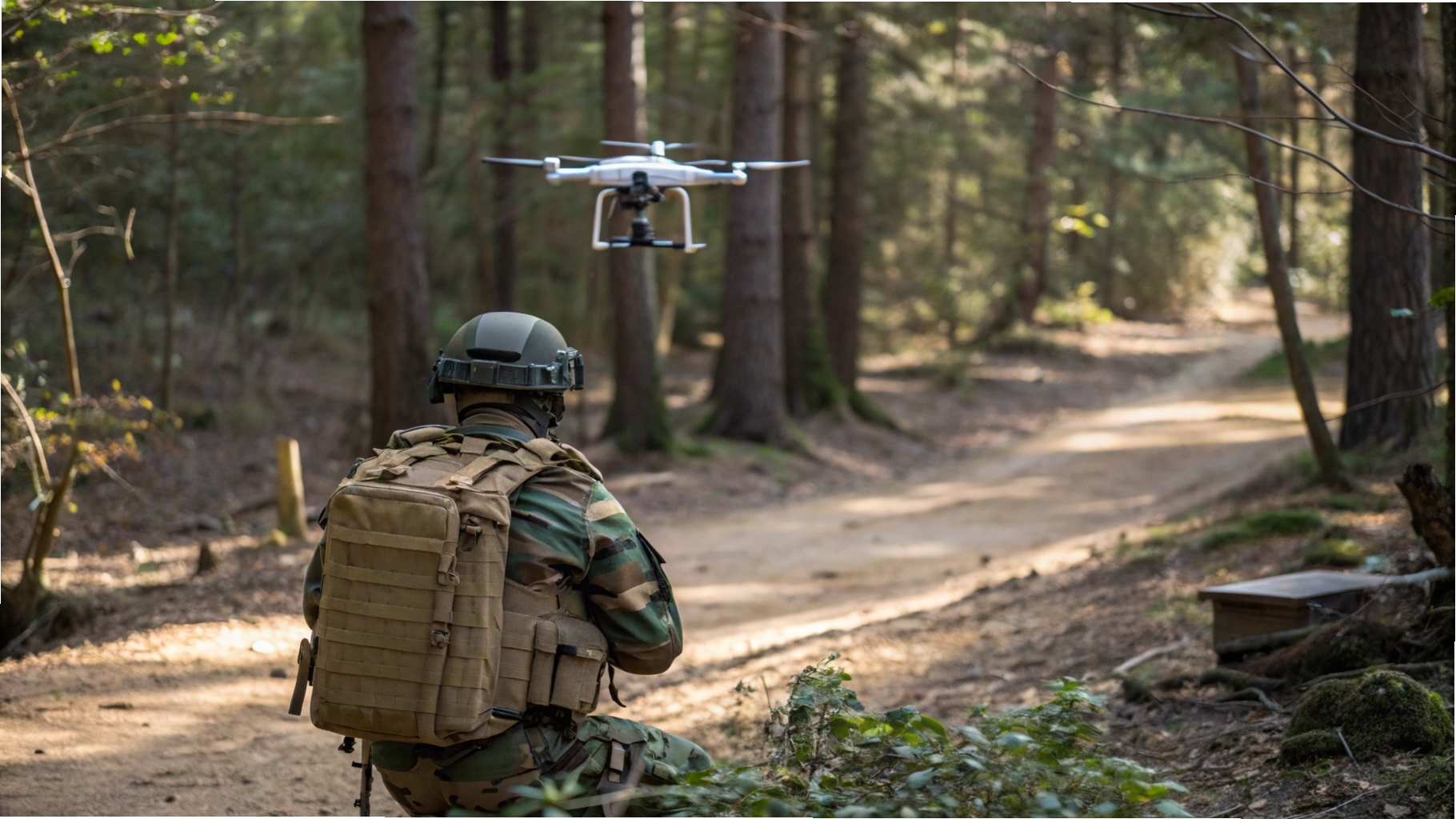

India’s defence ecosystem continues to evolve with increased private sector participation, as IG Defence moves forward with the development of the IG JWALA Short-Range Missile System. Positioned as a fast-response and precision-focused weapon, the system represents a growing emphasis on indigenous, flexible strike solutions for modern warfare.
IG JWALA is being developed as a fully indigenous missile system aimed at enhancing India’s tactical strike capabilities at the short-range level. The design prioritizes speed, accuracy, and operational flexibility to meet the demands of rapidly changing battlefield scenarios.
One of the defining characteristics of the system is its ability to respond quickly, with minimized launch preparation time and high-speed target engagement. This makes it particularly effective against time-sensitive threats. Additionally, its all-weather capability ensures reliable performance across a range of challenging environments, from mountainous terrain to desert regions.
Accuracy is a core design focus, with the system expected to incorporate advanced inertial navigation supported by refined terminal guidance mechanisms. This combination is intended to deliver precise targeting, minimizing collateral damage while maximizing mission effectiveness.
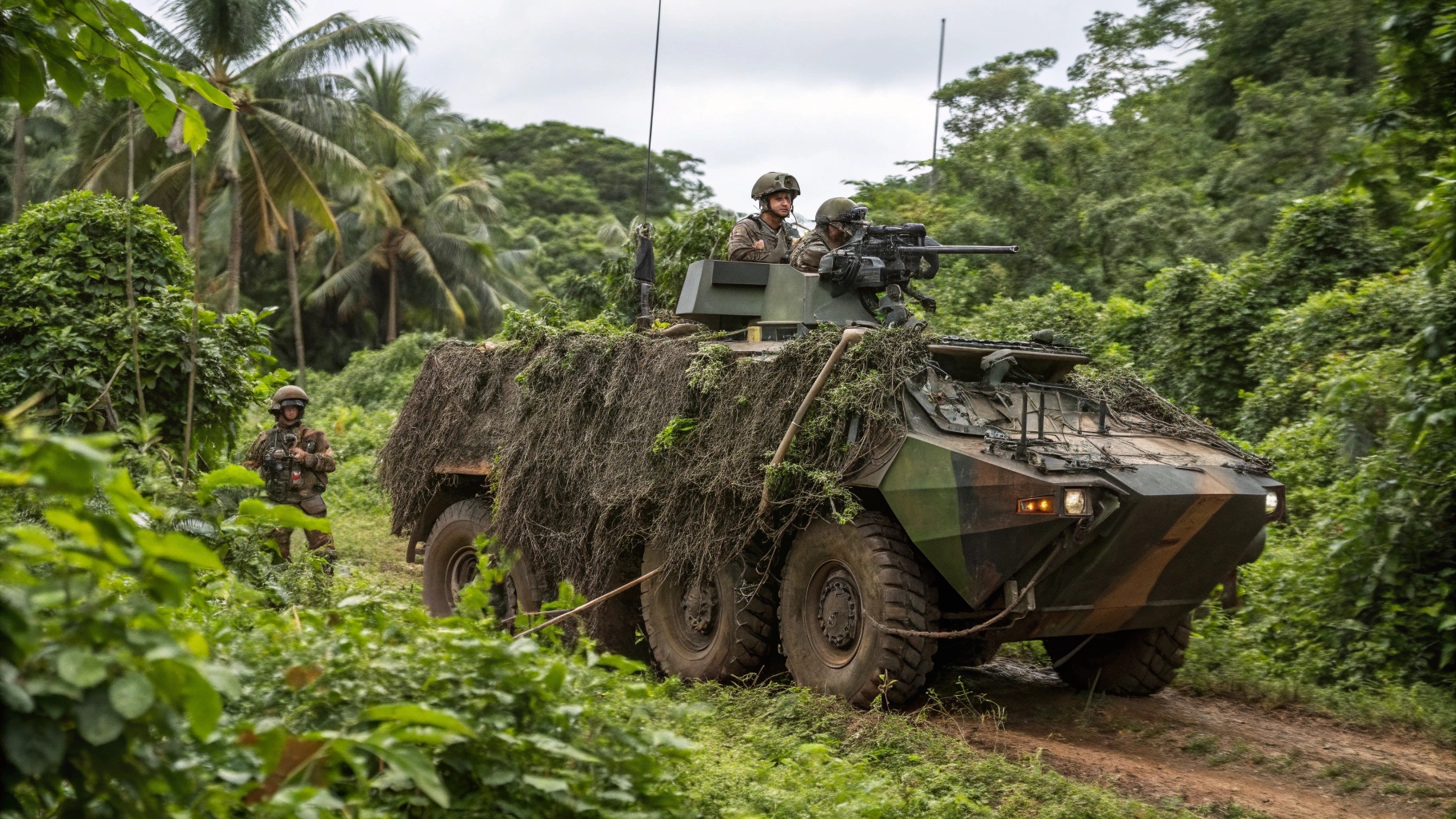
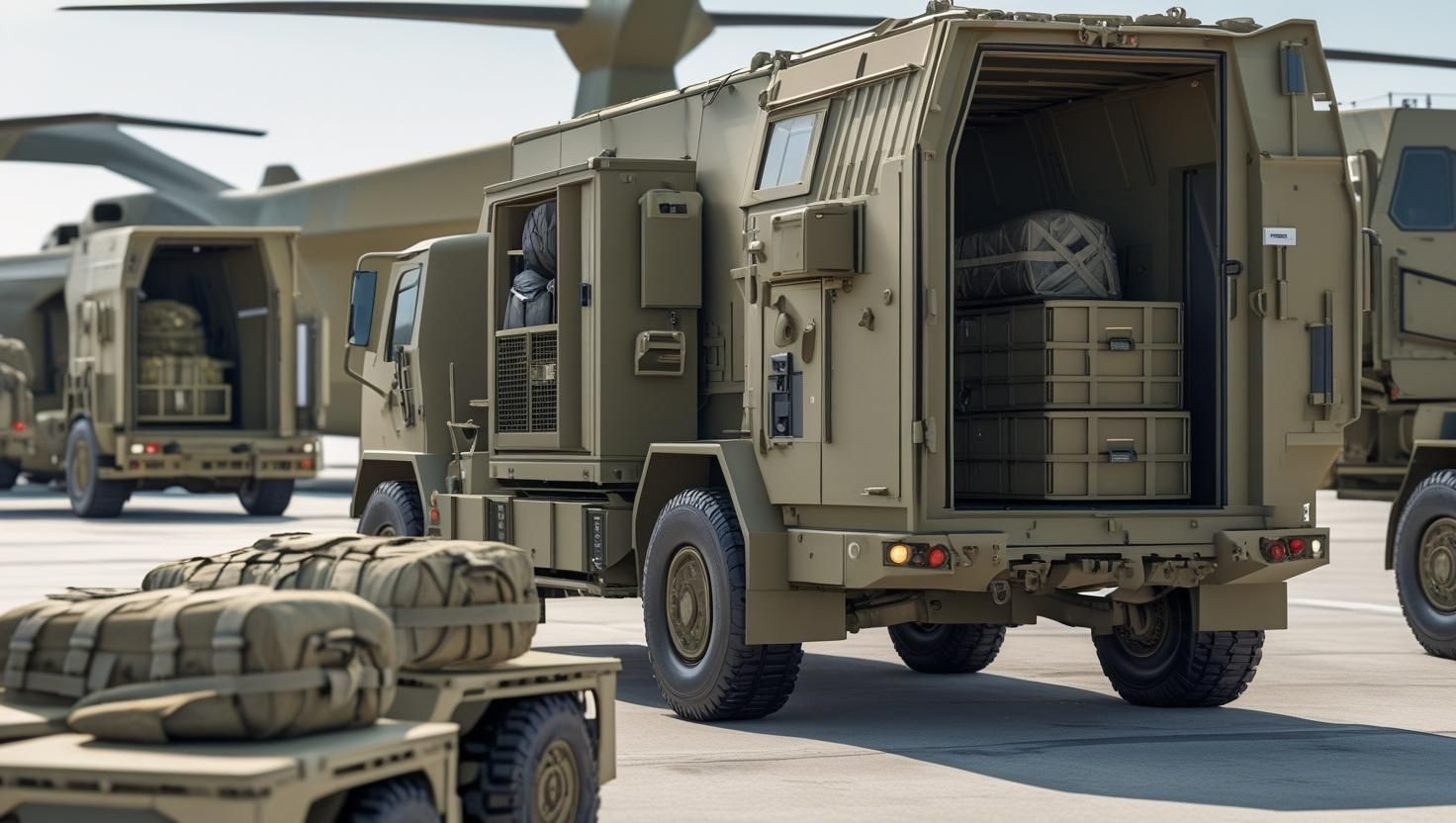
The system is also designed for mobility and adaptability, featuring a modular launch configuration that supports both vehicle-mounted and fixed deployment options. This flexibility enables rapid repositioning and sustained operations across diverse operational conditions.
From a strategic perspective, IG Defence is prioritizing full indigenization, developing the system with locally designed technologies, proprietary control systems, and a secure domestic supply chain. This aligns with India’s broader objective of achieving greater self-reliance in defence production.
The missile will employ solid-fuel propulsion for reliability and ease of handling, along with multi-platform launch compatibility. Its guidance architecture, combining inertial navigation with terminal guidance, is expected to maintain high accuracy even in environments affected by electronic warfare or signal disruption.