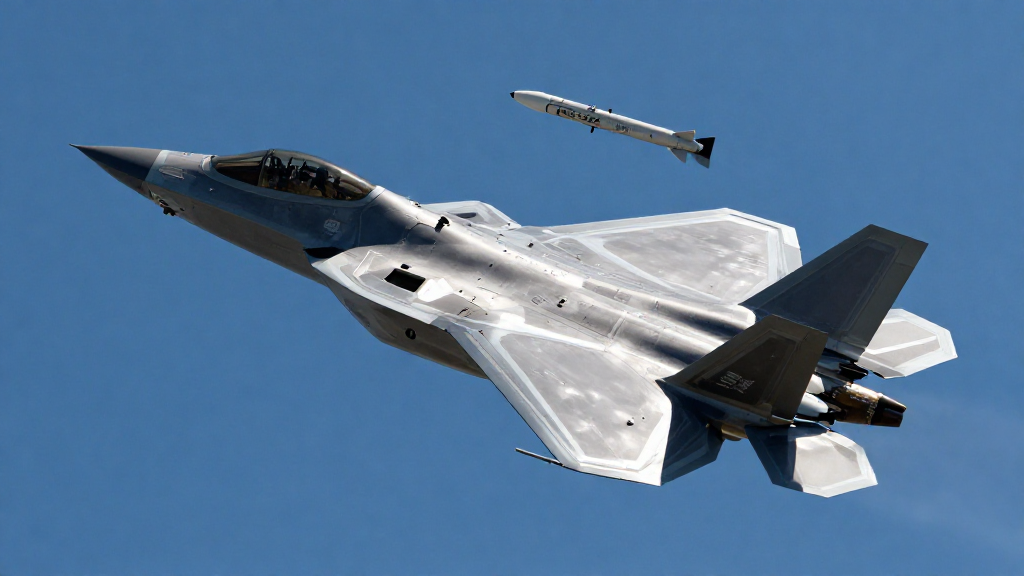
India’s push to enhance its aerial strike capabilities continues under the ADITI initiative, with the Indian Air Force (IAF) launching a new challenge to convert 100–120 kg class bombs into long-range precision-guided weapons. This initiative underscores a broader strategy to improve the effectiveness of existing munitions through advanced propulsion and guidance systems.
The IAF currently relies on a large inventory of unguided 100–120 kg bombs, which offer limited range and accuracy. In contemporary combat environments, their use requires aircraft to operate closer to targets, increasing the risk posed by enemy air defense systems.
At the core of the challenge is the development of a strap-on kit featuring both propulsion and guidance capabilities. Unlike conventional glide kits, the proposed system will be self-propelled, enabling strike ranges of over 200 kilometers when released from an altitude of approximately 5 kilometers at near-subsonic speeds.
The integration of an Electro-Optical/Infrared (EO/IR) terminal guidance system will allow the weapon to identify and engage targets using scene-matching techniques. This ensures reliable performance even in GPS-denied or electronically contested environments, which are increasingly common in modern warfare.
Precision remains a critical objective, with the IAF targeting a circular error probable (CEP) below 5 meters, with an aspirational goal of under 3 meters. Such accuracy would greatly improve the weapon’s effectiveness against critical and time-sensitive targets.
Compatibility is another key consideration, as the kit must seamlessly integrate with existing aircraft bomb racks across the IAF fleet without requiring significant modifications.
The system is also expected to be easy to assemble, maintain, and handle, enabling quick deployment and sustained operational use. A minimum service life of 15 years has been specified to ensure durability and long-term value.
Additionally, the challenge emphasizes the need for straightforward testing and diagnostic tools that provide clear “go/no-go” indicators before missions. Modular maintenance checks will support efficient servicing and reduce operational downtime.