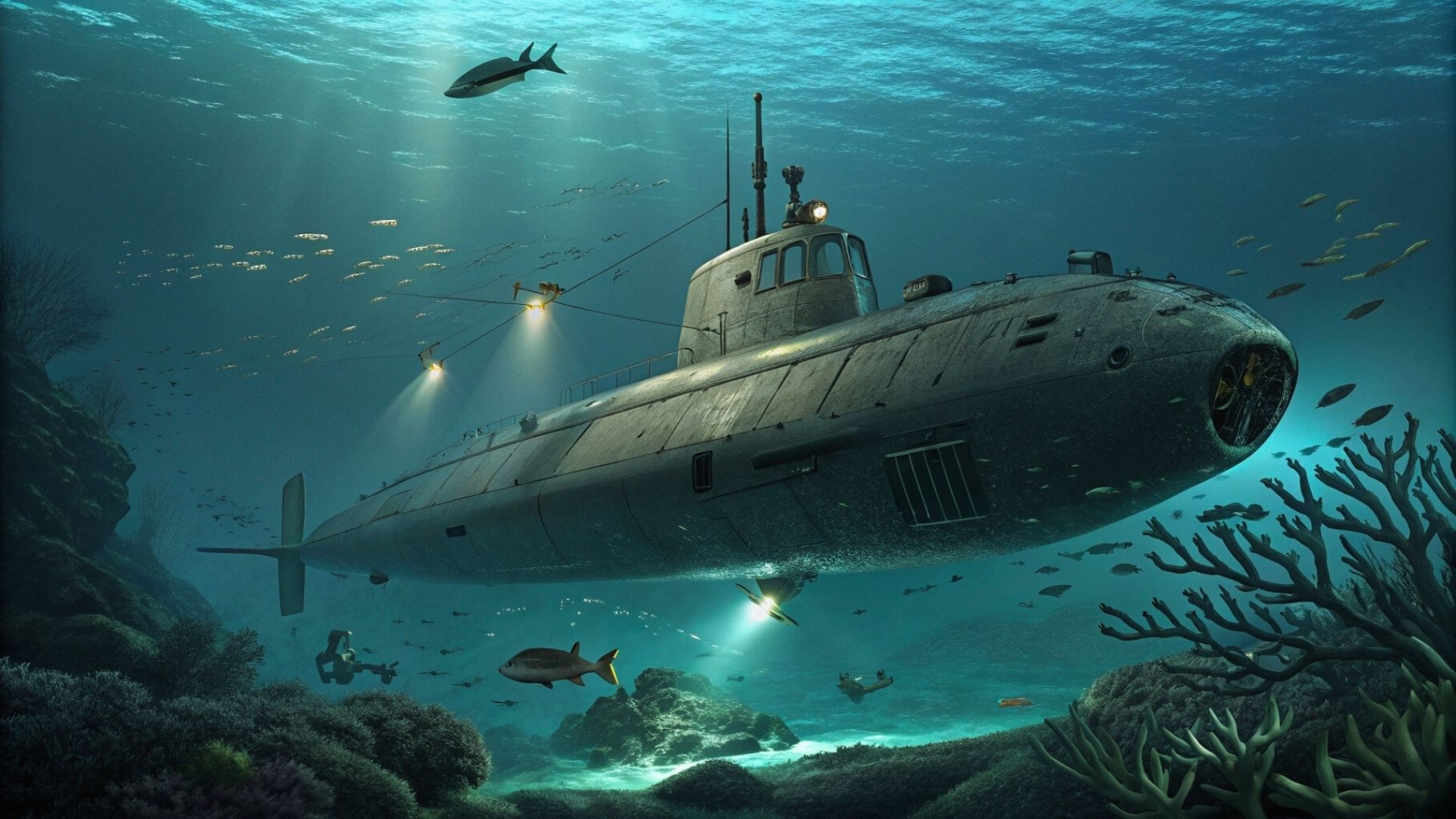

HII has significantly expanded its Portchester, UK, facility dedicated to unmanned underwater vehicles, doubling its size to better support customers operating the REMUS family of autonomous underwater drones.
The upgraded site will act as a regional support center, delivering operational, technical, and logistics services for the Royal Navy, US military commands, and European allied users of unmanned maritime systems.
Services at the facility will include live and virtual training, system integration, and long-term sustainment, with a focus on electronic warfare, AI-enabled capabilities, and naval fleet modernization.
The Portchester hub will also play a role in introducing HII’s upcoming ROMULUS unmanned surface vessels, which are expected to become available later this year.
HII’s unmanned platforms are built around modular designs and long-endurance performance, enabling use across defense, commercial, and scientific applications.
Their missions include mine warfare, hydrographic mapping, intelligence, surveillance, and environmental monitoring.
The REMUS series comprises several variants tailored for distinct operational depths and mission requirements.
REMUS 130 is a lightweight, rapidly deployable system capable of operating at depths of up to 130 meters, while REMUS 300 extends both payload capacity and mission range to depths of 300 meters.
The REMUS 620 introduces enhanced modularity and updated electronics, delivering up to 110 hours of endurance, a range of 275 nautical miles, and operational capability down to 620 meters.
For deep-ocean operations, the REMUS 6000 supports missions at depths reaching 6,000 meters, including complex scientific research and deep-sea recovery.
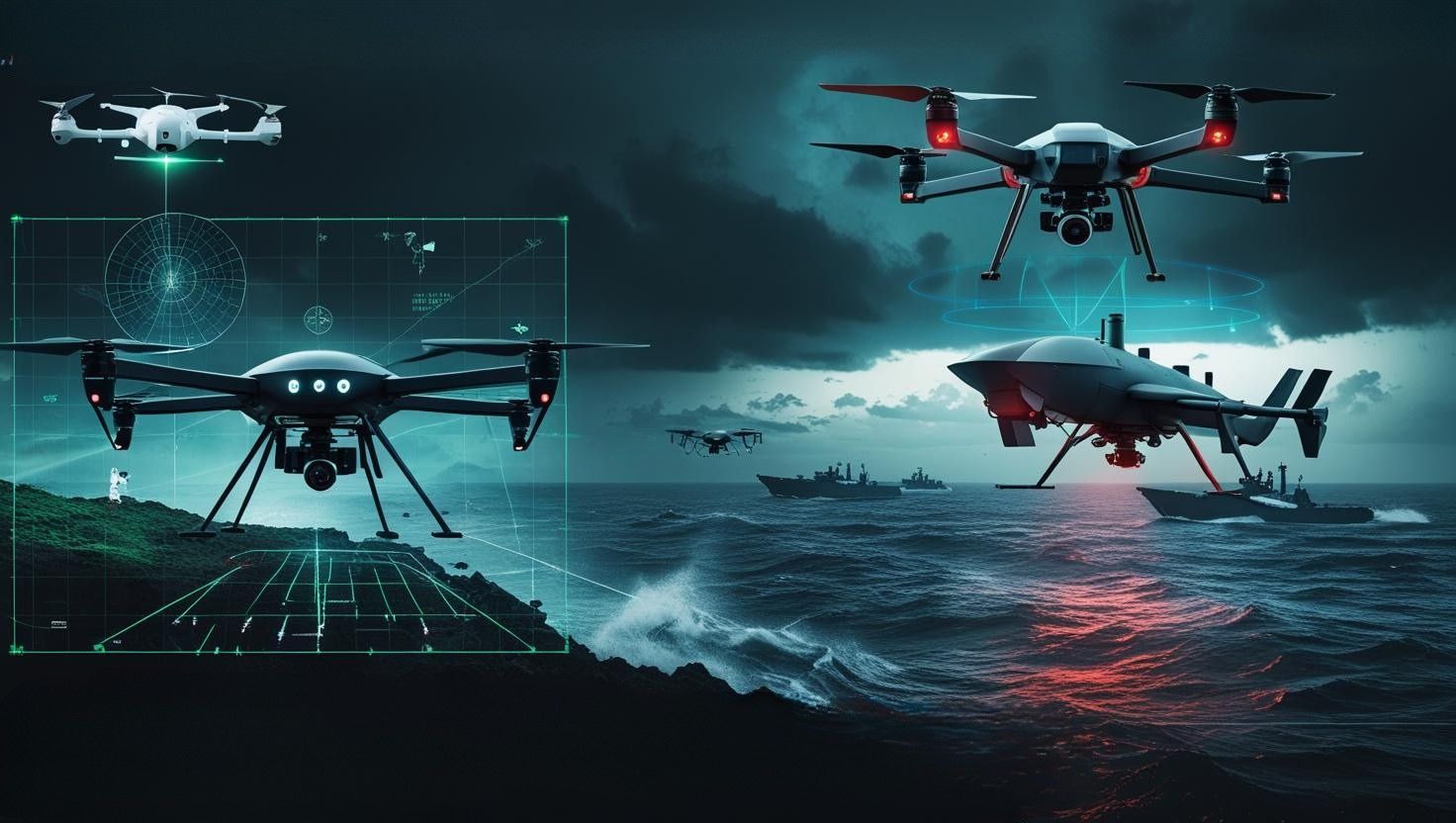
Complementing the underwater fleet, the ROMULUS family of USVs employs AI-based autonomy through the Odyssey Autonomous Control System, enabling fully autonomous open-sea operations, swarm coordination, and flexible payload integration.
The first model, ROMULUS 190, is currently in production and is slated for sea trials this year.
Designed around a commercial-grade hull for repeatable manufacturing, the USVs can achieve speeds above 25 knots and ranges of up to 2,500 nautical miles.