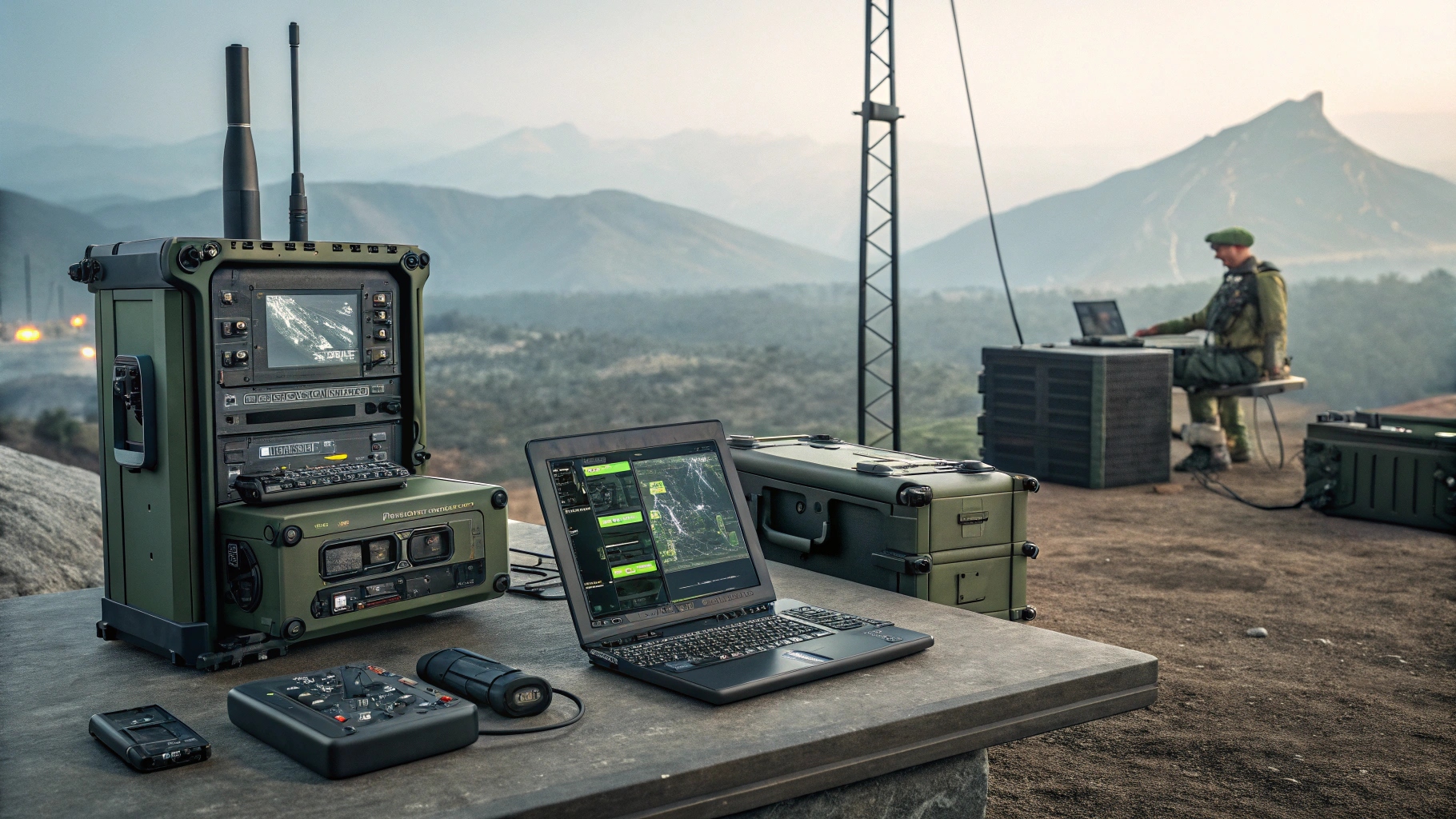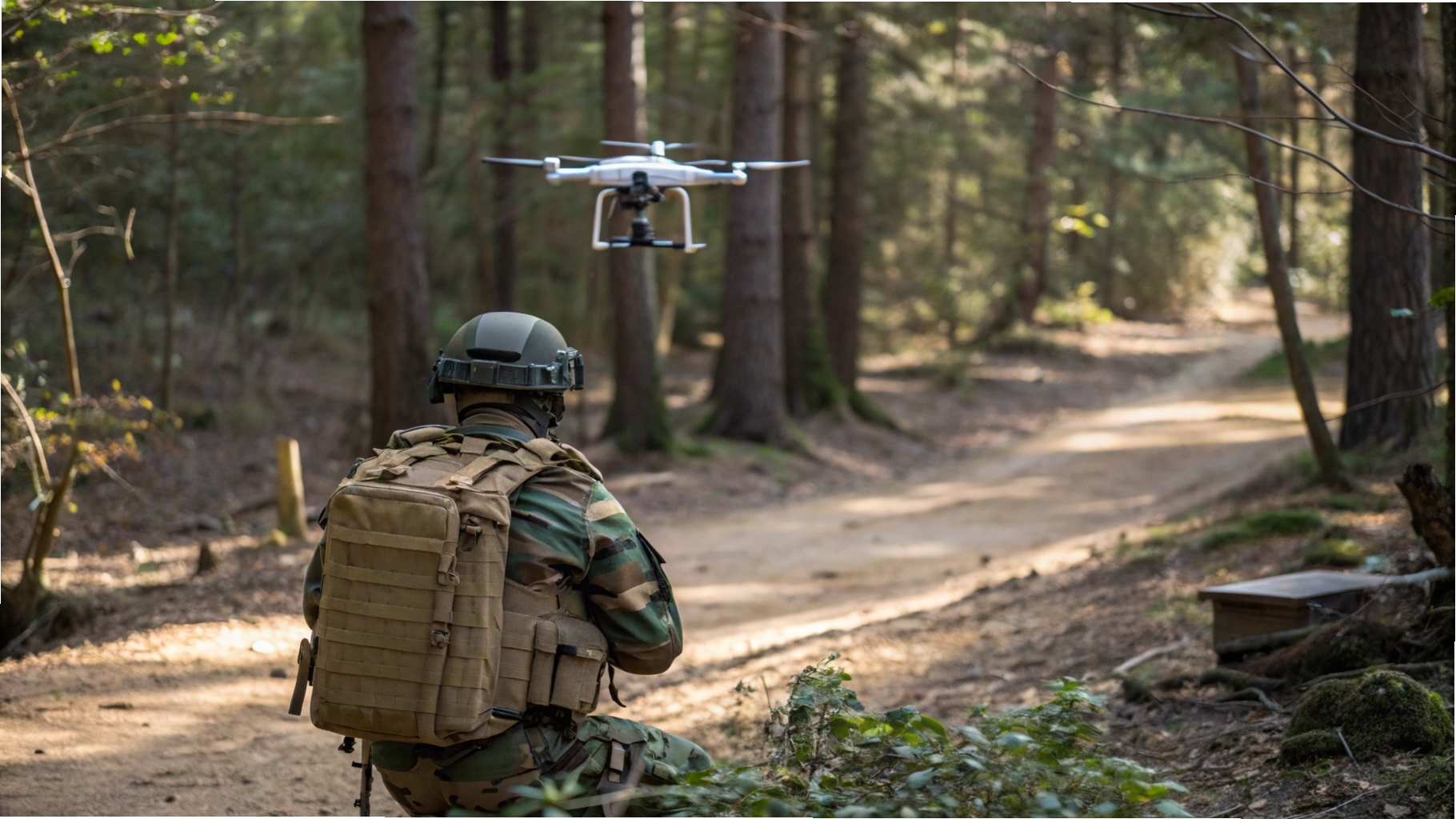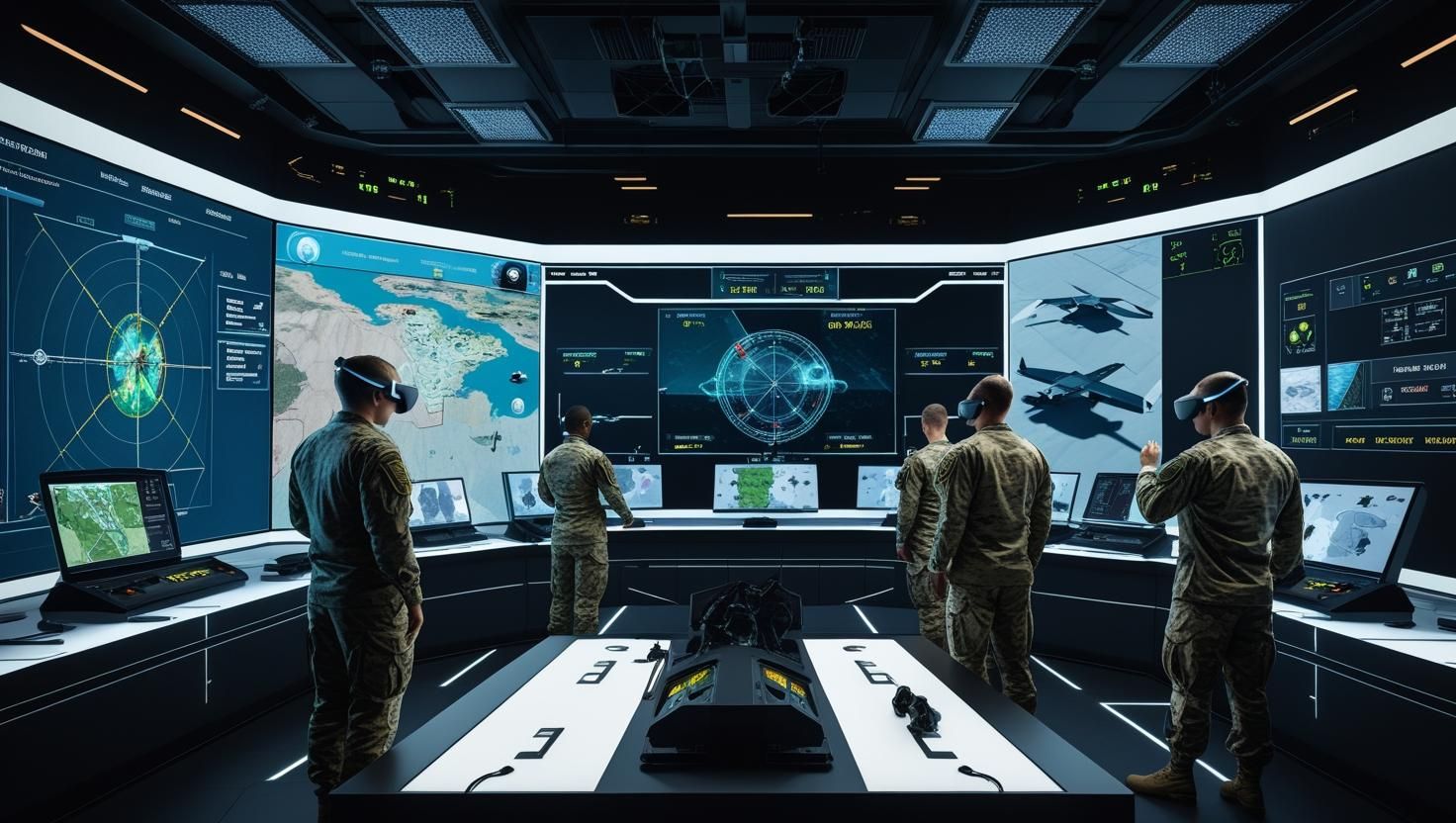

Today’s operational environment is defined by speed and connectivity. A strike in the air can generate consequences in space, cyberspace, or at sea within moments. Combined Joint All-Domain Command and Control (CJADC2) was designed for this reality—integrating data streams, commanders, and weapons across domains and allied forces to outpace adversaries.
Rather than solving a shortage of capabilities, CJADC2 addresses the challenge of linking information and acting faster than opponents can respond.
Defining CJADC2
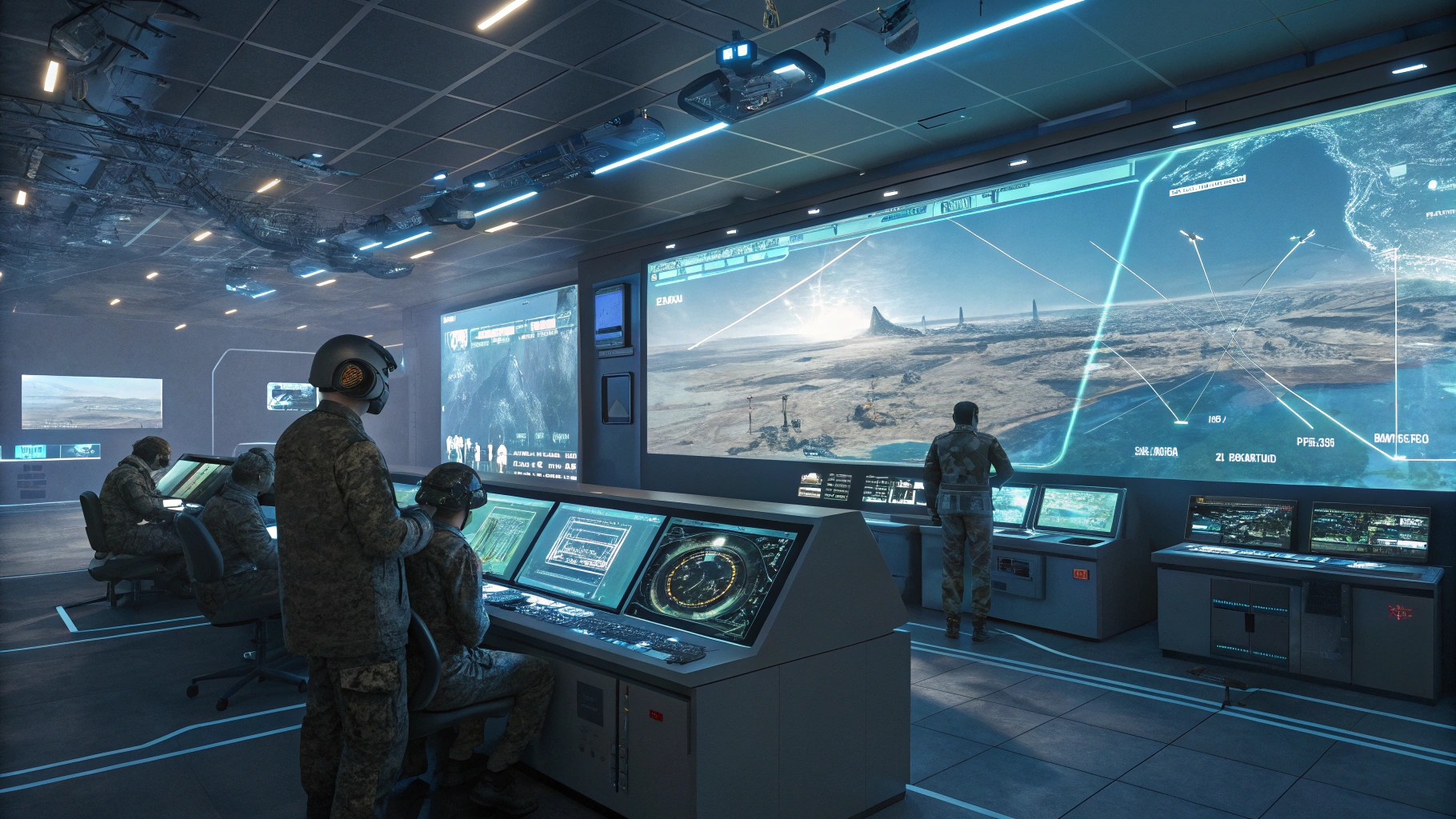
CJADC2 is the US Department of Defense’s framework for unified, cross-domain decision-making. Its objective is to connect sensors, commanders, and effectors across services and partner nations to enable coordinated operations.
Its goals include:
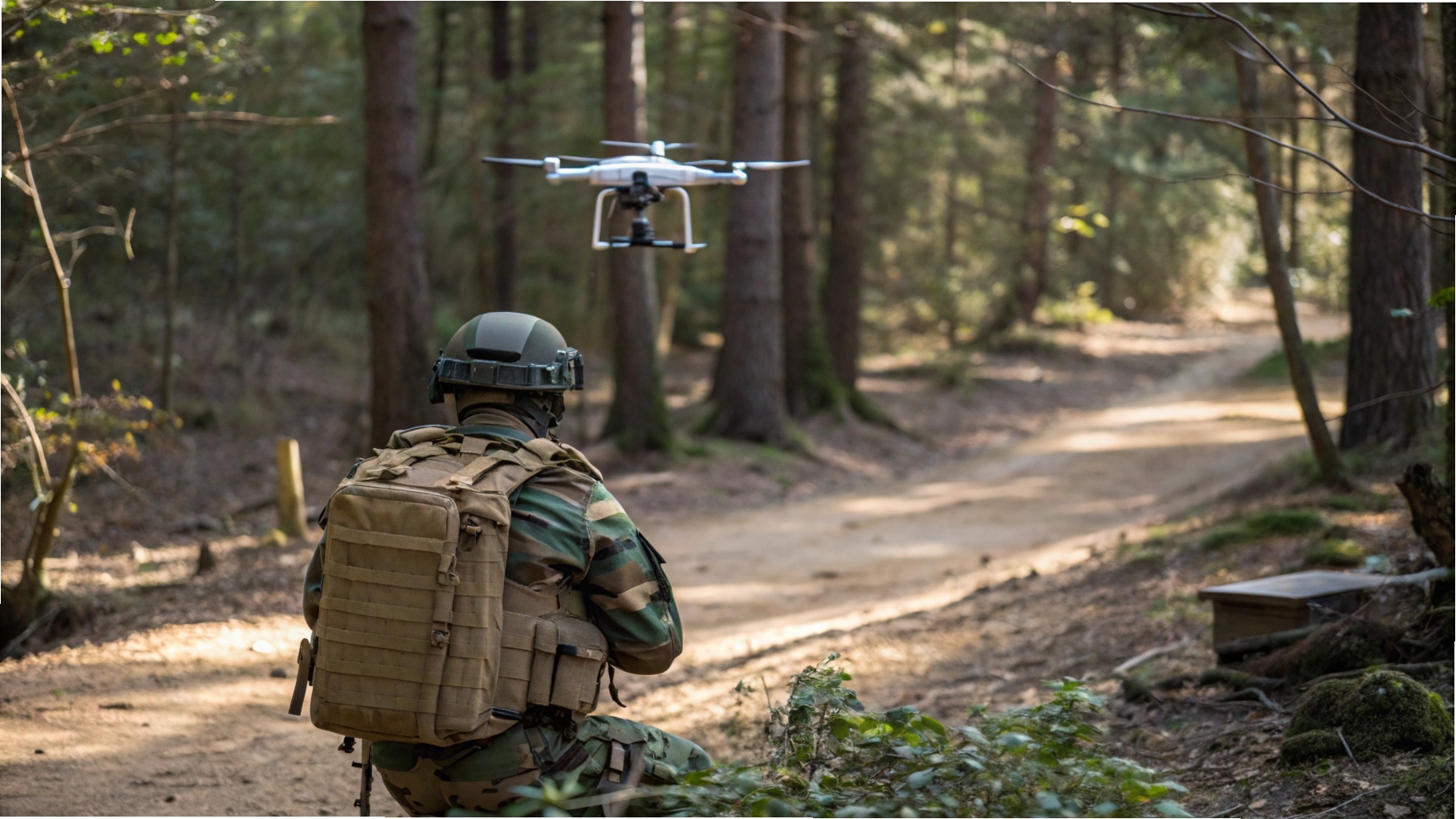
Aggregating sensor data from air, land, sea, space, and cyber domains.
Converting raw data into a comprehensive operational picture.
Delivering precise, actionable intelligence to commanders and weapons platforms.
Synchronizing joint and coalition responses in near real time.
It is not a centralized system or single command center. Instead, CJADC2 is a distributed, interoperable network architecture built upon shared data standards and secure communications.
From JADC2 to CJADC2
The foundation was laid with JADC2 in 2022, structured around five lines of effort: strengthening data management, developing human capital, advancing technology, integrating nuclear command and control systems, and modernizing information sharing with partners.
CJADC2 expands that framework beyond US forces, incorporating allied and partner nations into the same decision-making network. This broader scope enhances interoperability and coalition readiness.
Artificial intelligence and machine learning tools support the system by sorting large data volumes, highlighting priorities, and offering recommendations—while humans remain in command.
The Rationale Behind CJADC2
For decades, service-specific command-and-control systems operated largely within their own domains. Limited interoperability often delayed coordination.
Recognizing that future wars will be information-heavy and rapidly evolving, CJADC2 seeks to overcome those limitations. Its purpose is to ensure that sensors, decision-makers, and strike platforms are interconnected in ways that allow faster, more coherent responses than any adversary.
Its value lies in integration—ensuring that capabilities are orchestrated effectively rather than functioning in isolation.
Operational Application
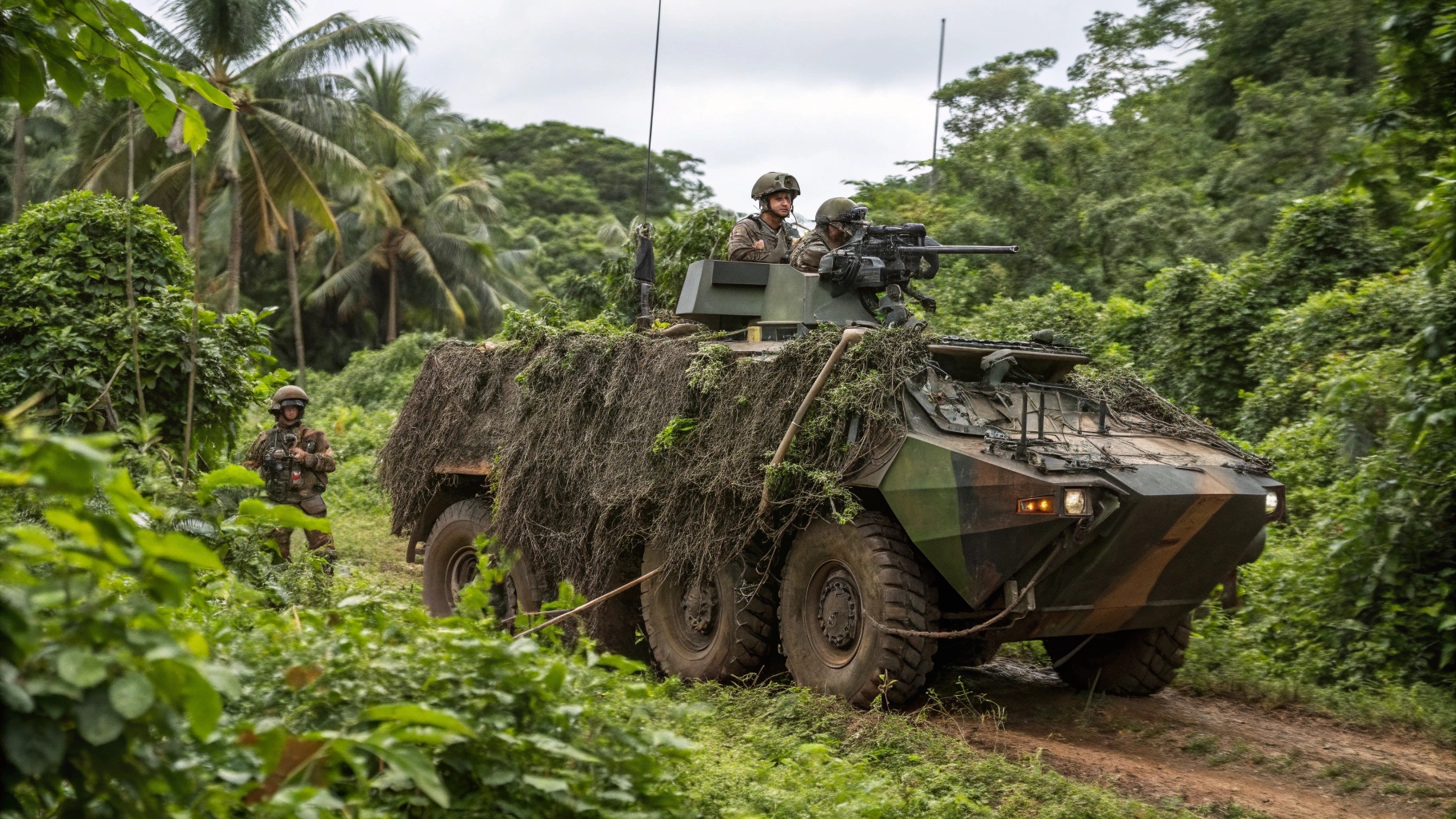
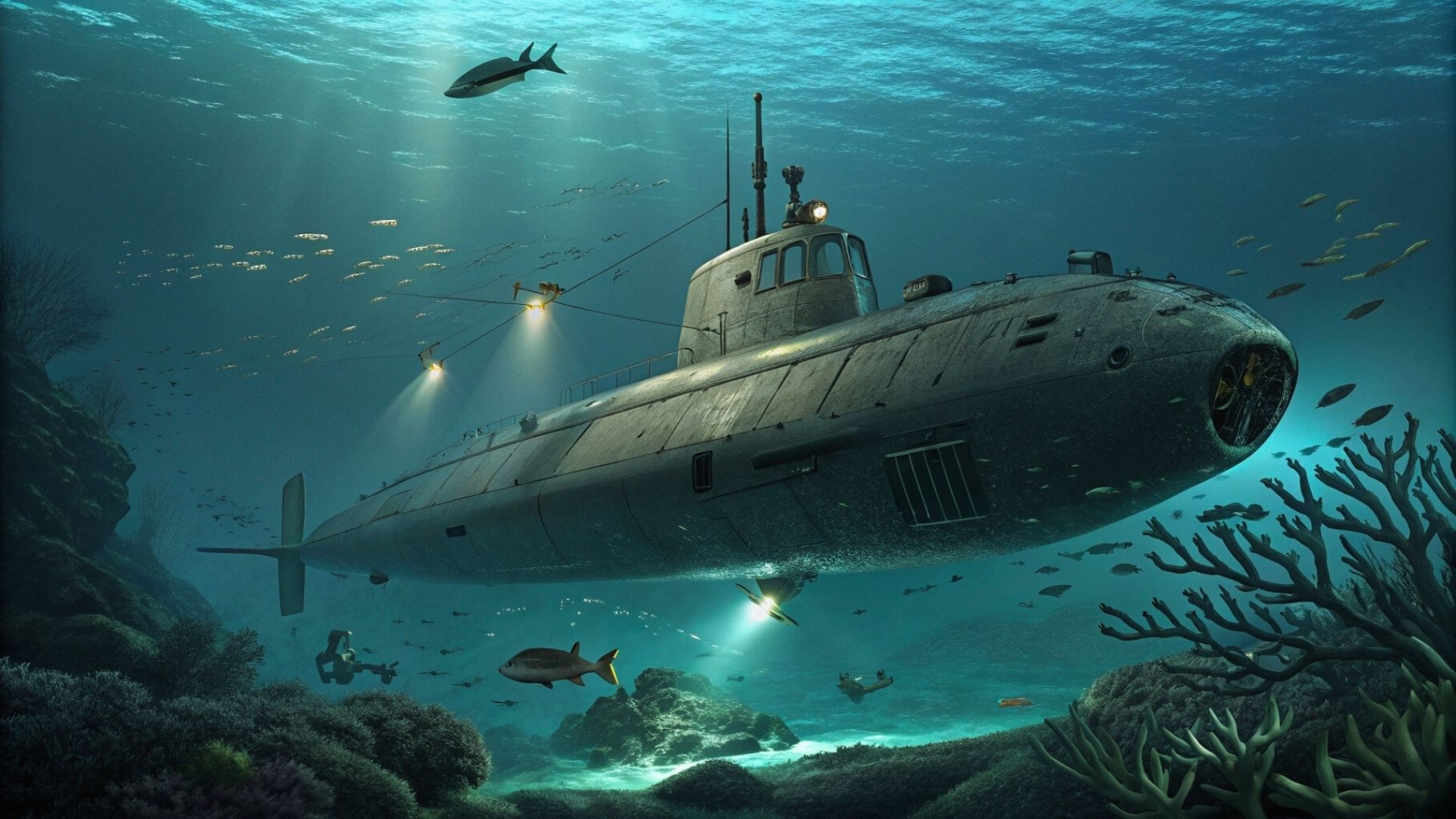
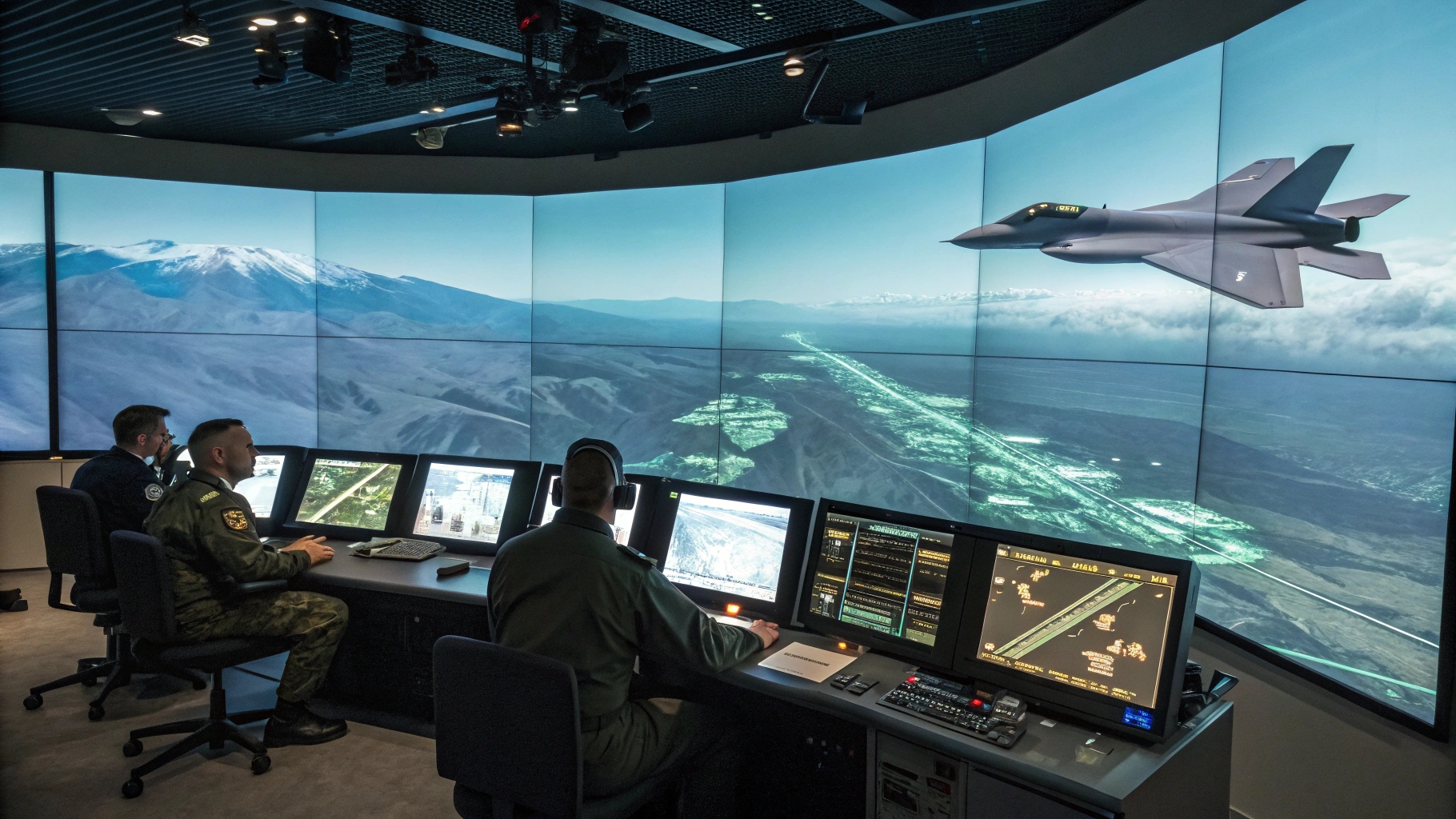
Under CJADC2, data from one domain can immediately inform action in another. A missile launch detected in space, an aircraft tracked at sea, or artillery identified on land can be shared instantly across the joint force.
A platform best positioned to respond—regardless of service—can then engage the threat. This decoupling of sensors from shooters increases operational agility and strengthens force resilience.
Even if individual nodes are disrupted, the distributed nature of the network allows operations to continue.
Obstacles and Risks
Interoperability challenges persist, particularly when integrating older systems and coordinating with multinational partners. Security is also paramount; greater connectivity introduces additional cyber vulnerabilities.
Reliance on communications infrastructure, including space-based assets, creates potential points of failure. Ensuring CJADC2 can function in contested or degraded environments is a central focus.
Organizational adaptation—aligning doctrine, training, and culture across multiple services and nations—remains another critical challenge.
Why It Is Critical
CJADC2 reflects a transition toward network-centric warfare. Future success may depend less on platform quantity and more on the ability to connect information, make decisions, and execute actions rapidly.
By linking domains and allies into a cohesive operational framework, CJADC2 seeks to maintain strategic advantage in an increasingly complex and contested global security landscape.