
Envision an armored platform moving directly from a naval vessel into coastal surf before driving inland under full protection. The Amphibious Combat Vehicle represents the latest step in amphibious warfare evolution for the United States Marine Corps.
Designed as a next-generation 8×8 armored vehicle, the ACV replaces the legacy Assault Amphibious Vehicle, delivering improved survivability, modularity, and operational flexibility across maritime and land domains.
Program Background
Recognizing that older amphibious platforms were increasingly vulnerable in contested littoral zones, the Marine Corps initiated a modernization effort emphasizing protection, mobility, and digital battlefield integration.
In 2018, BAE Systems was selected to manufacture the ACV fleet. Although early plans envisioned replacing over 1,000 AAVs, procurement goals were refined to approximately 632 vehicles in line with updated expeditionary force design concepts.
Core Capabilities
Land Performance
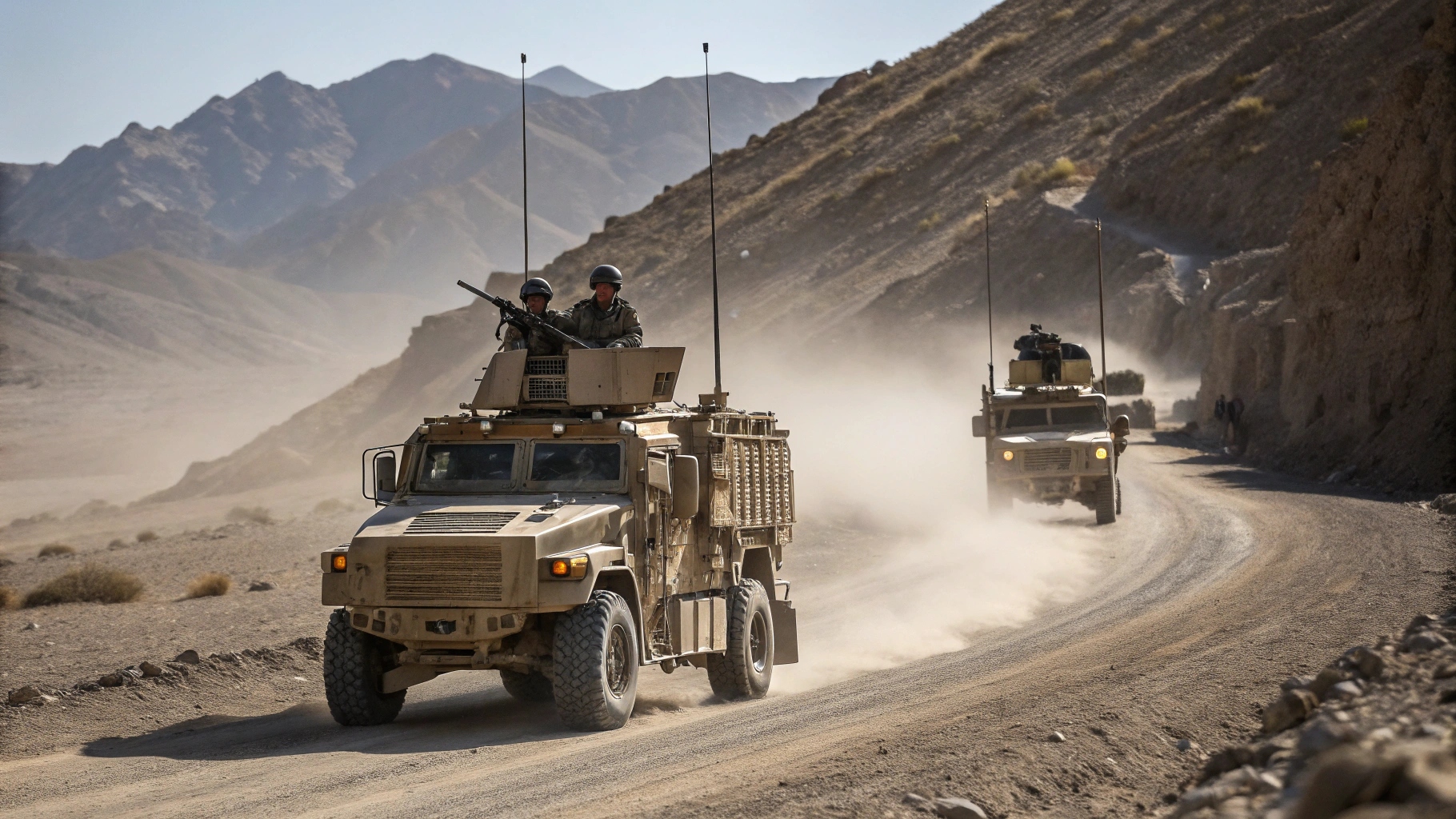
The ACV’s wheeled 8×8 architecture supports high road speeds exceeding 100 km/h and operational ranges beyond 520 km, enabling rapid maneuver once forces reach shore.
Amphibious Performance
Dual waterjets allow open-water travel of roughly 12 nautical miles, enabling the vehicle to self-deploy from ship to shore rather than relying solely on traditional landing craft.
Protection Systems
A blast-resistant V-hull, modular armor kits, blast-mitigating seating, and NBC protection enhance survivability against mines, IEDs, and direct fire threats.
Firepower Options
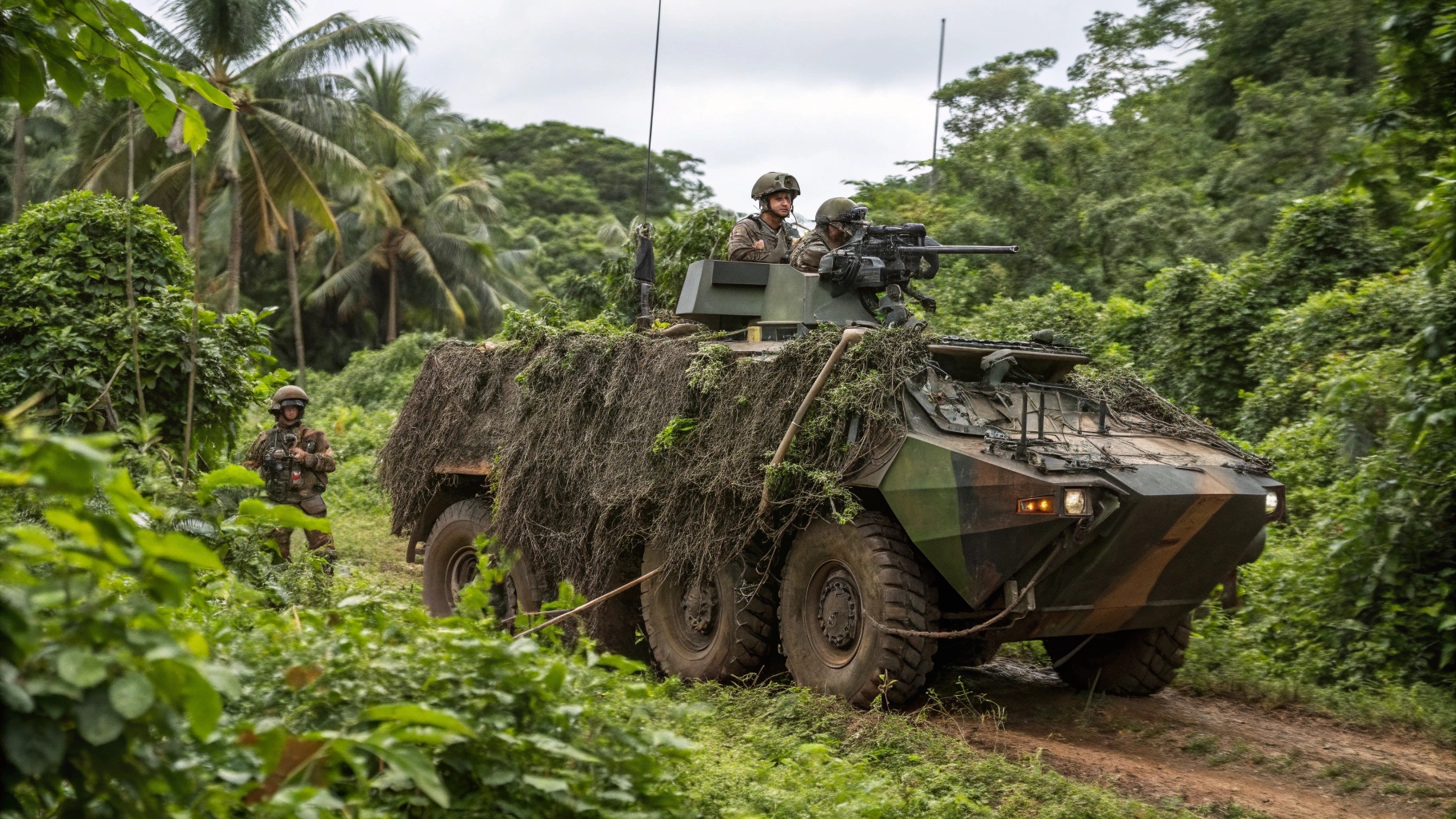
Standard versions mount remote weapon stations with heavy machine guns or automatic grenade launchers. The ACV-30 integrates a stabilized 30 mm cannon to provide stronger direct fire support.
Variant Structure
The ACV program includes specialized configurations:
Personnel Carrier (ACV-P)
Command and Control (ACV-C)
Recovery (ACV-R)
ACV-30 Fire Support Variant
This modular approach enables the platform to serve as a troop carrier, mobile command post, recovery asset, or fire support vehicle within the same operational ecosystem.
Operational Integration
Since entering service in 2020–2021, the ACV has been integrated into Marine formations and deployed in exercises across the Indo-Pacific, including Japan and the Philippines. These operations demonstrated its effectiveness in contested littoral zones and joint-force maneuvers.
Future Growth
The program continues to evolve with potential upgrades such as expanded amphibious range, enhanced propulsion, optional autonomous capabilities, active protection systems, and advanced network integration.
As modernization continues, the ACV stands as a key enabler of expeditionary warfare — bridging sea and land operations with greater survivability, speed, and adaptability than previous amphibious platforms.