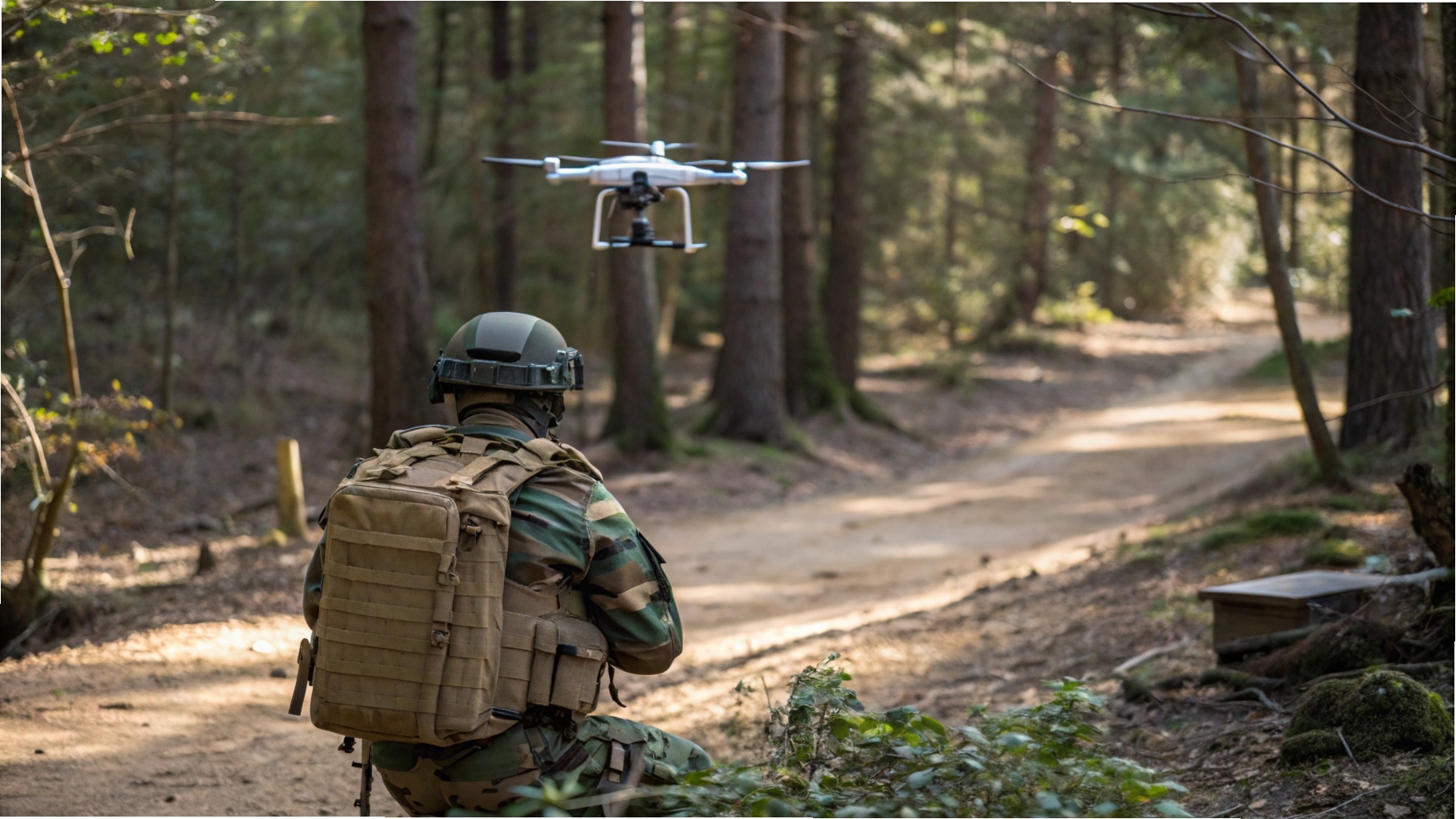

Hoverlt, a defence startup based in Lucknow, has announced plans to develop the DIVYASTRA MKI, an autonomous multi-role tactical strike platform designed to combine precision attack, intelligence collection, and swarm-enabled combat capabilities. The system is positioned as an indigenous loitering munition, aligning with India’s push toward self-reliance and AI-driven warfare technologies.
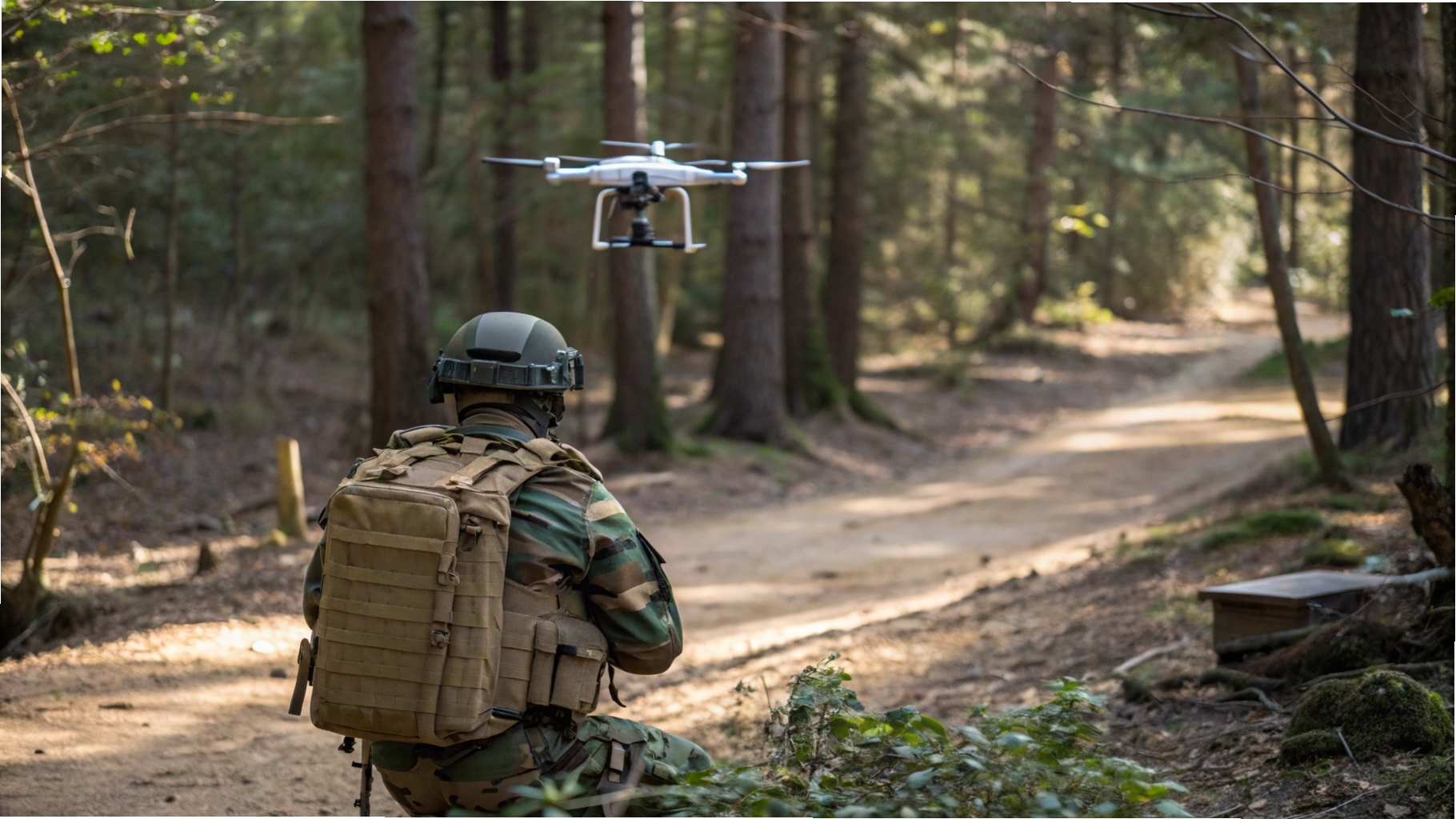
The DIVYASTRA MKI is being developed as a flexible combat asset capable of conducting both strike missions and intelligence, surveillance, and reconnaissance tasks. It features autonomous navigation, AI-assisted targeting, and swarm coordination, enabling operations either independently or as part of a coordinated drone network. This places it within the rapidly evolving category of loitering strike systems that merge UAV functionality with precision strike capabilities.
From a performance perspective, the platform is designed to achieve up to five hours of flight endurance and an operational reach of 500 kilometers. This allows for sustained surveillance and deep-strike missions, with the ability to remain over target areas and engage when required. Its projected attack speed of 300 to 400 km/h ensures swift terminal engagement, reducing the effectiveness of opposing air defence responses.
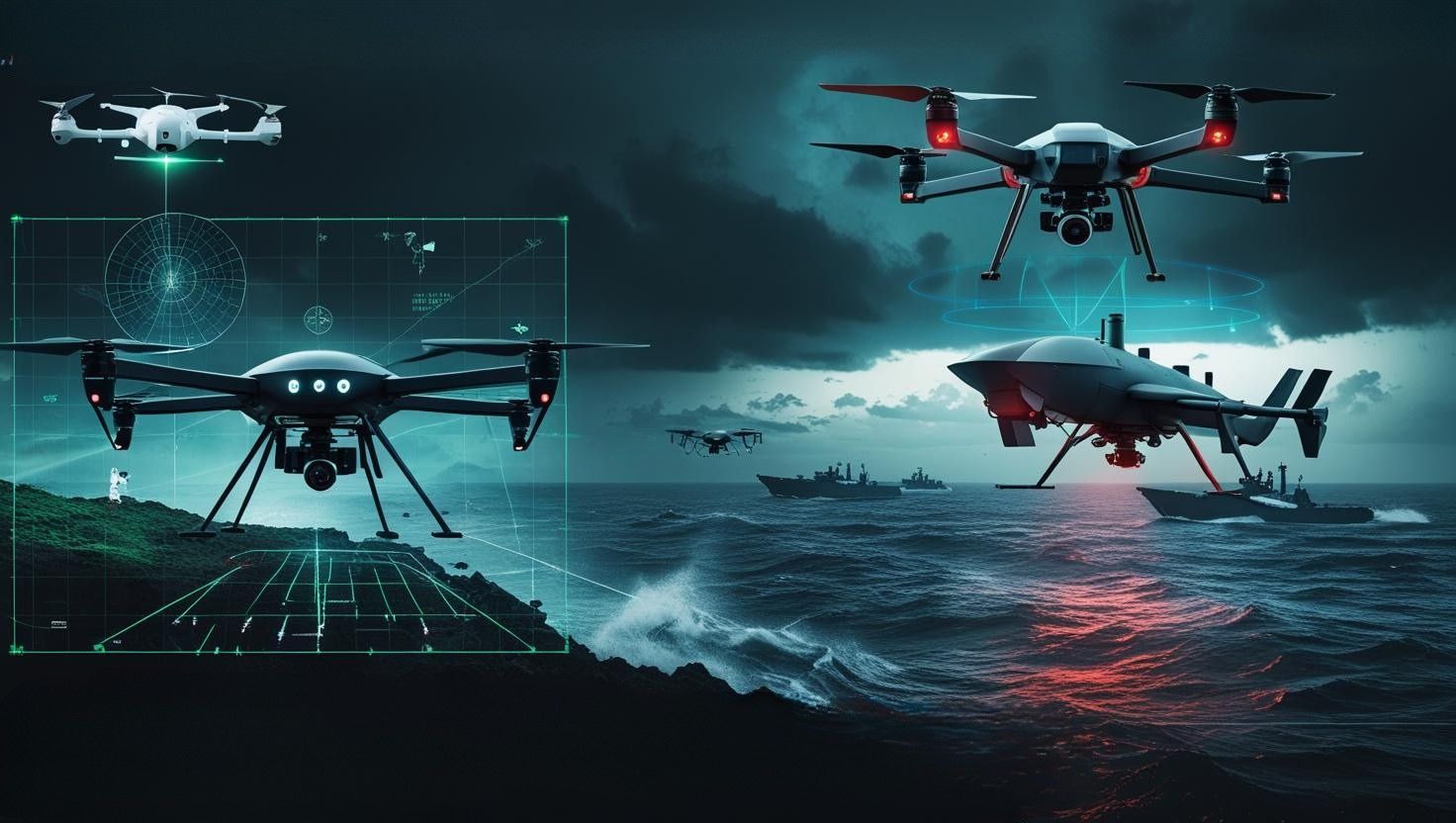
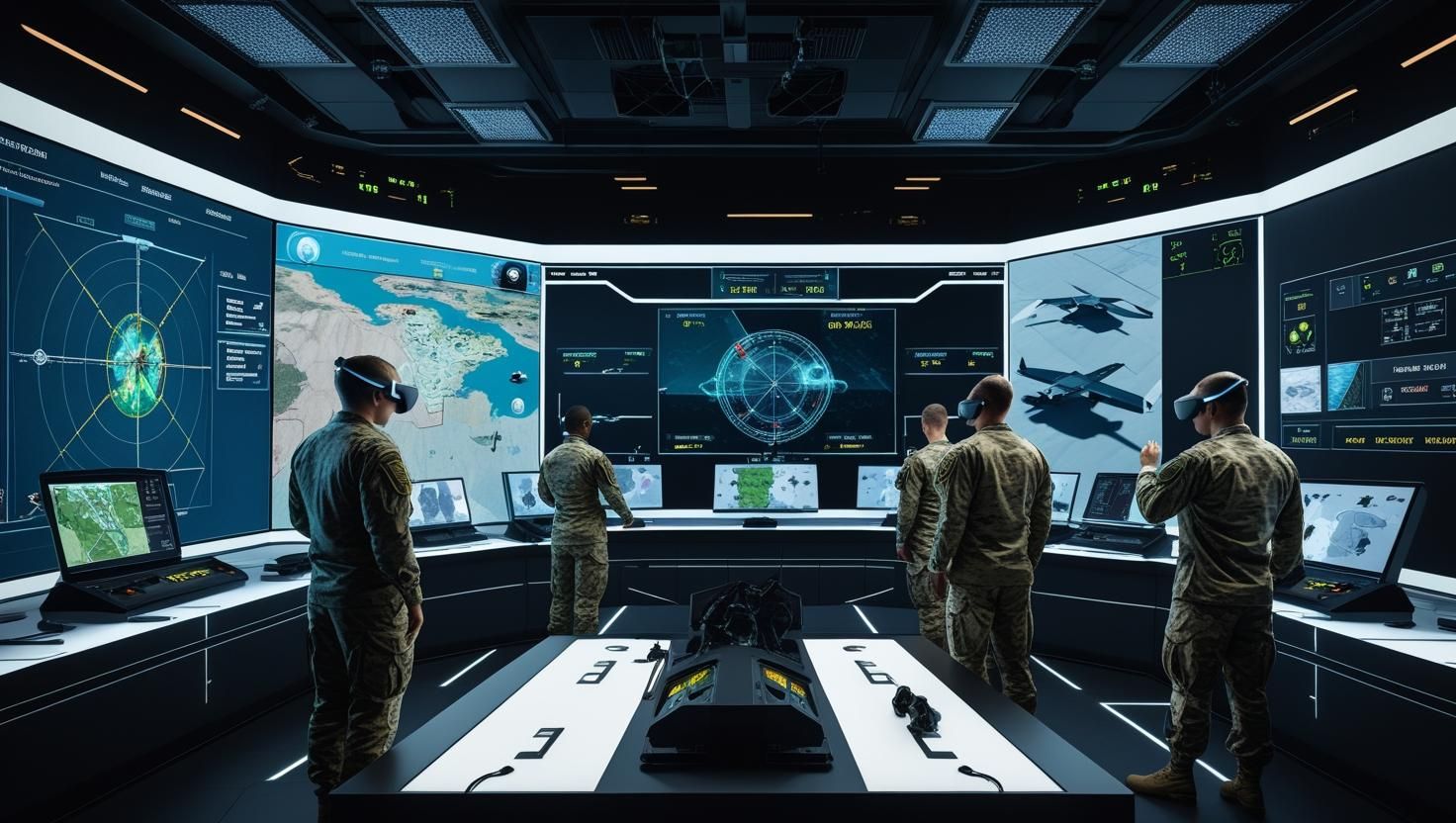
A major highlight of the system is its fully autonomous framework, incorporating AI-based algorithms capable of processing real-time battlefield information, identifying targets, and executing strike decisions with limited human intervention. The addition of swarm functionality enhances its effectiveness by enabling coordinated multi-drone operations, including saturation attacks and deception tactics.
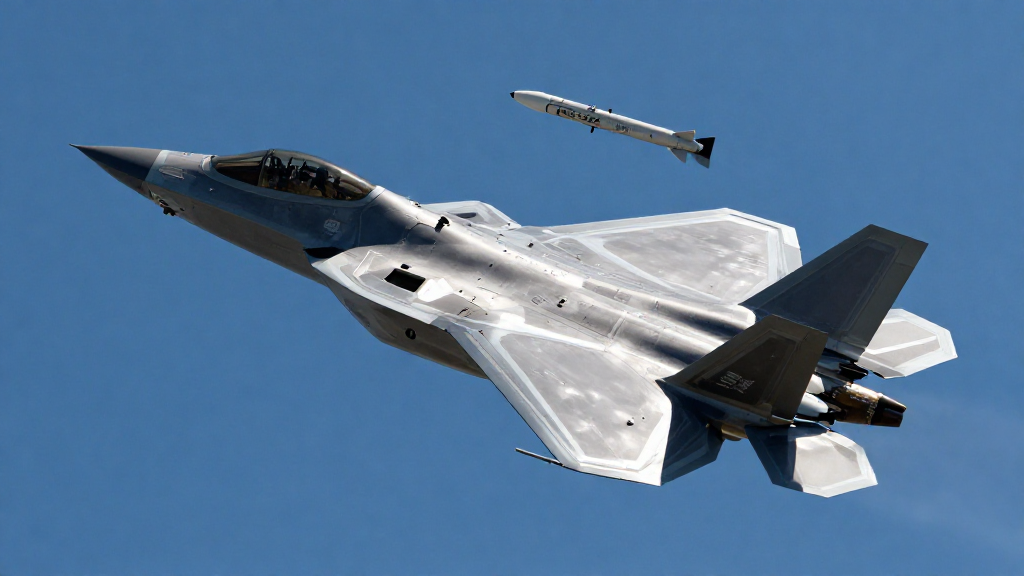
With a payload capacity of up to 15 kilograms, the DIVYASTRA MKI can be configured with different warhead types to suit mission requirements. This makes it effective against critical targets such as radar installations, command infrastructure, and mobile platforms. Its quick deployment capability further improves responsiveness in fast-changing combat scenarios.
In addition to its strike role, the system is expected to perform ISR missions, providing real-time intelligence and enhancing situational awareness. Its adaptability supports a range of operations, including prolonged loitering, tactical deception, and coordinated strike missions in contested battle spaces.