
Leonardo UK and the British Royal Navy successfully conducted the first autonomous flight of the Proteus full-size unmanned helicopter at Predannack Airfield, Cornwall. The flight represents a key step in validating a large unmanned rotorcraft designed to operate alongside manned aircraft in the Royal Navy’s future aviation plans.
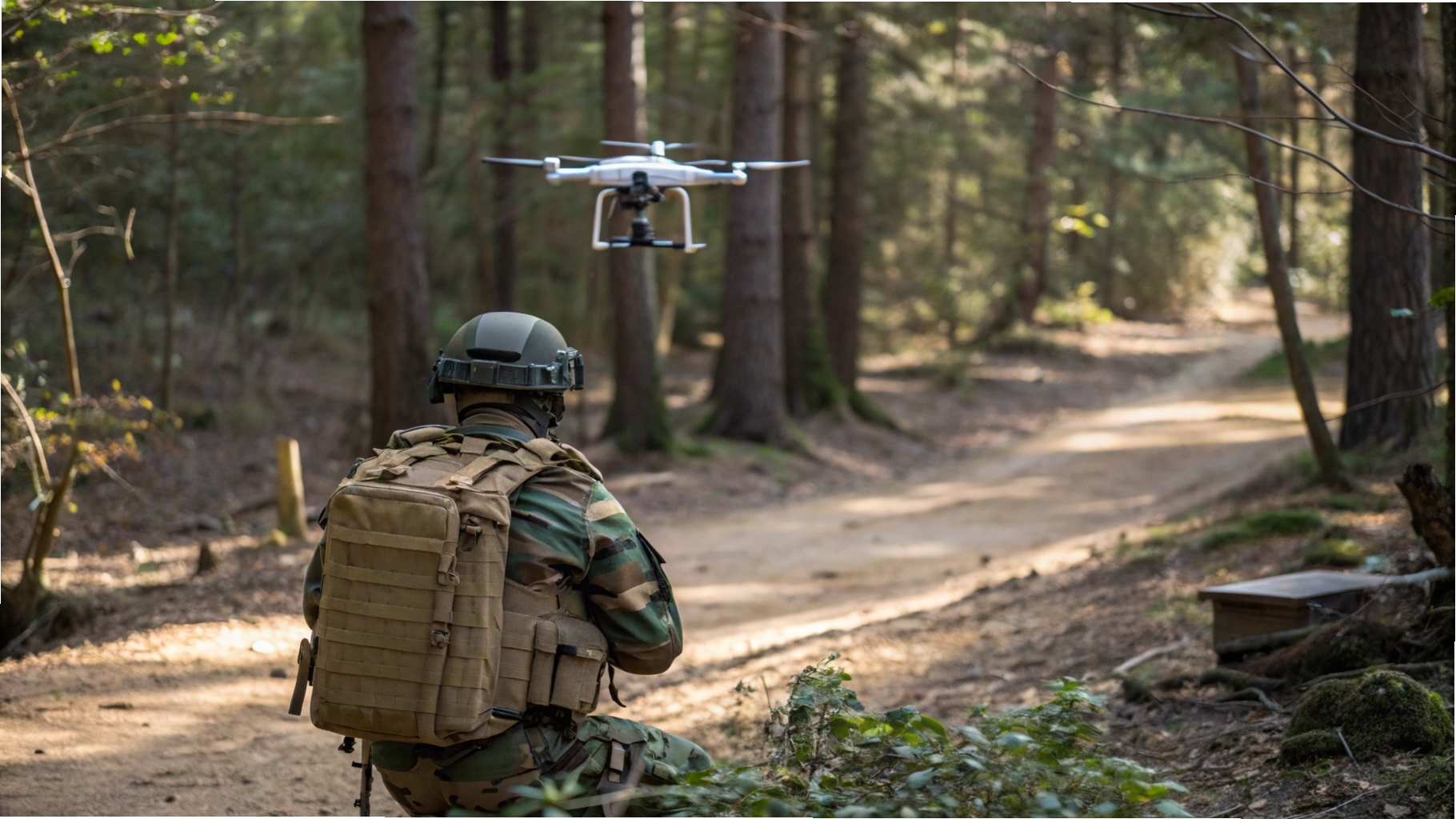
The Proteus completed a short autonomous flight sequence under the supervision of ground-based pilots, controlling its flight systems entirely independently. This marks the program’s transition from laboratory and ground testing to real-world airborne trials.
Predannack serves as both a satellite airfield for RNAS Culdrose and the National Drone Hub, providing a controlled environment for testing autonomous and uncrewed systems in maritime contexts. Representatives from Leonardo, the Royal Navy, and Defence Innovation UK observed the flight.
The program began in 2013 with a £2.3 million MoD contract to explore rotary-wing unmanned aircraft, evolving through subsequent development phases with further funding in 2017 and a £60 million contract in 2022. Proteus is now poised to inform the Royal Navy’s hybrid air wing concept, supporting future autonomous operations in the Atlantic Bastion and broader NATO missions.