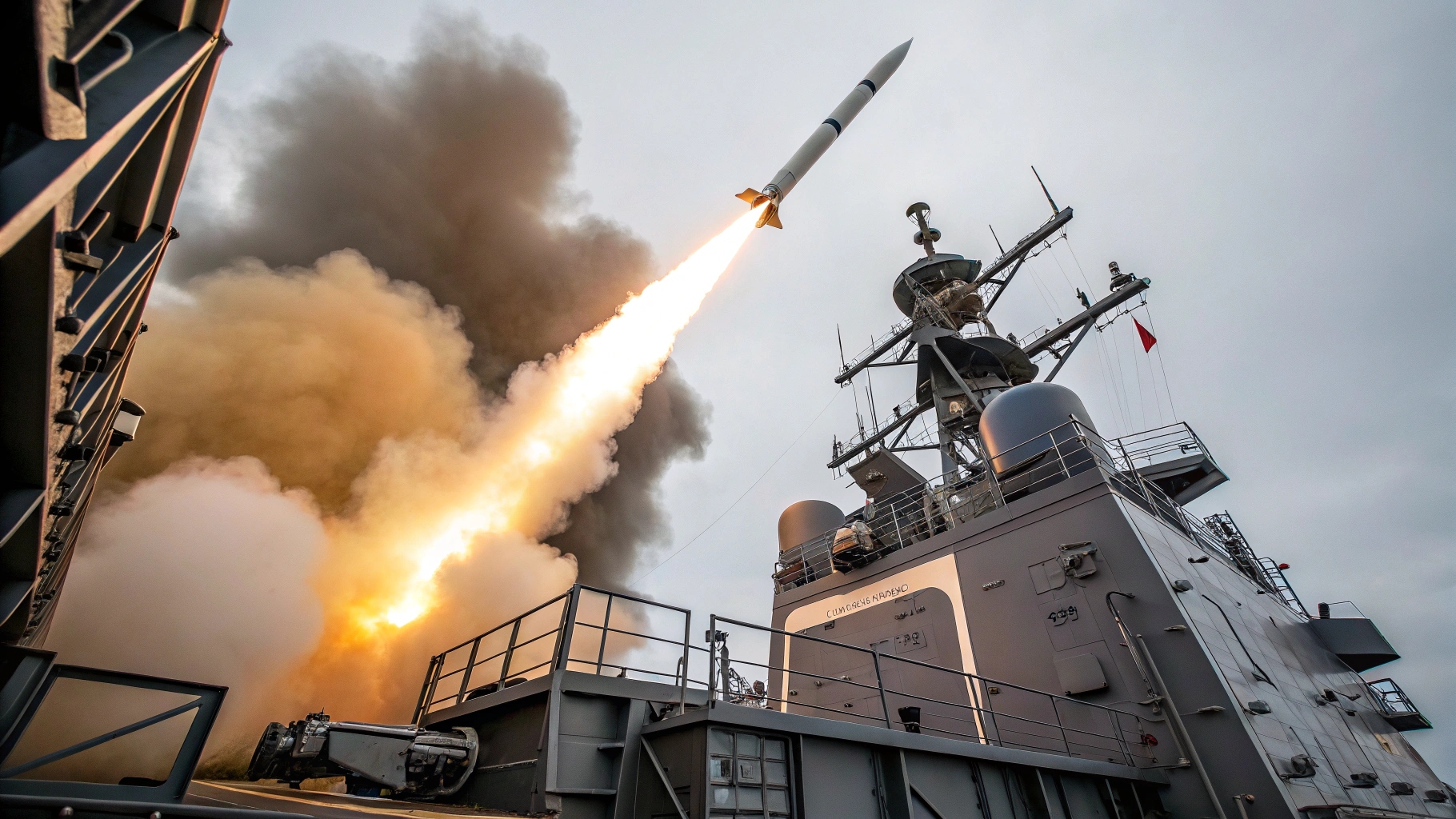

China’s navy is working on a digital-age “Great Wall,” a multilayered defense concept aimed at countering large-scale drone attacks on its warships.
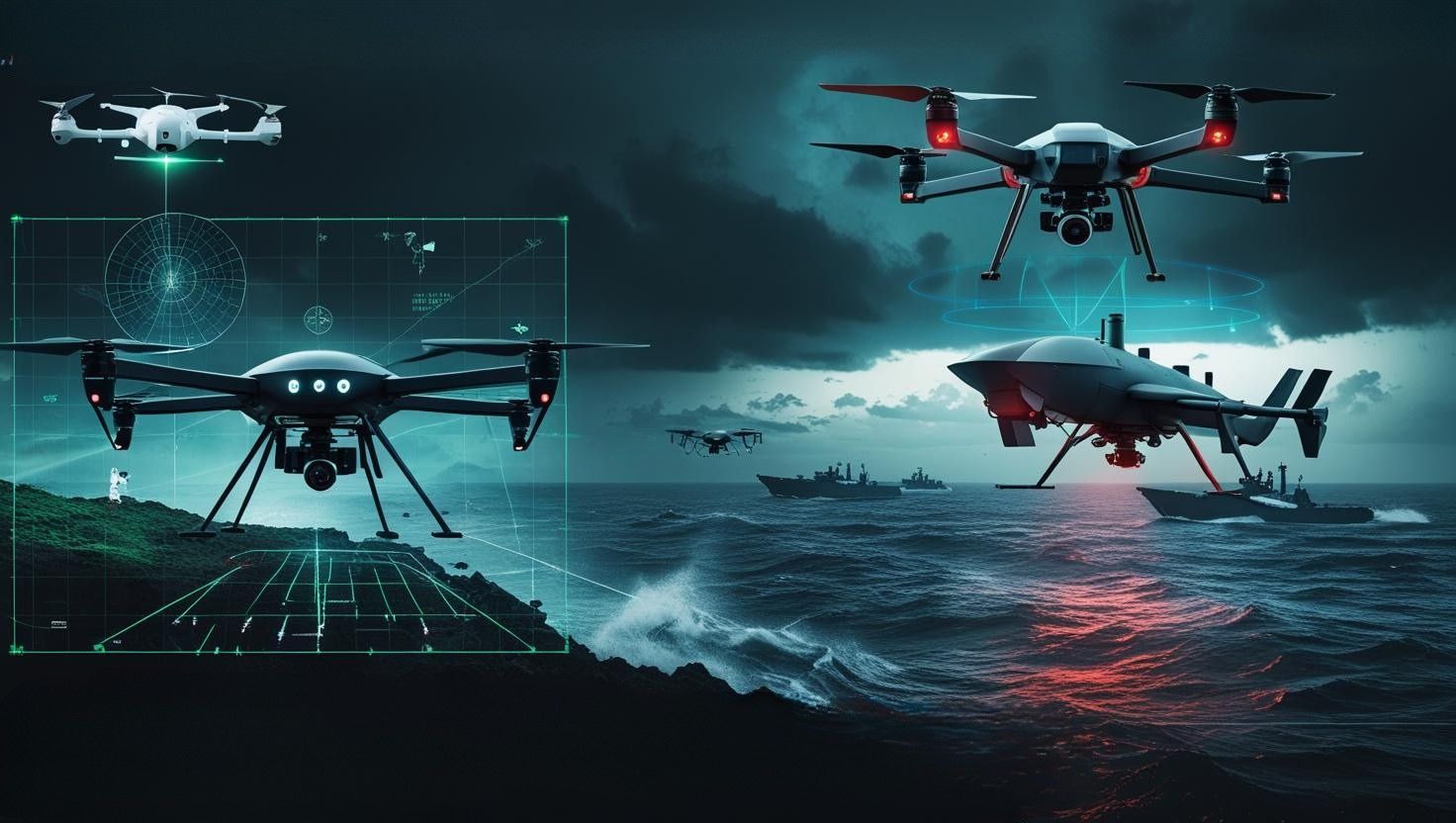
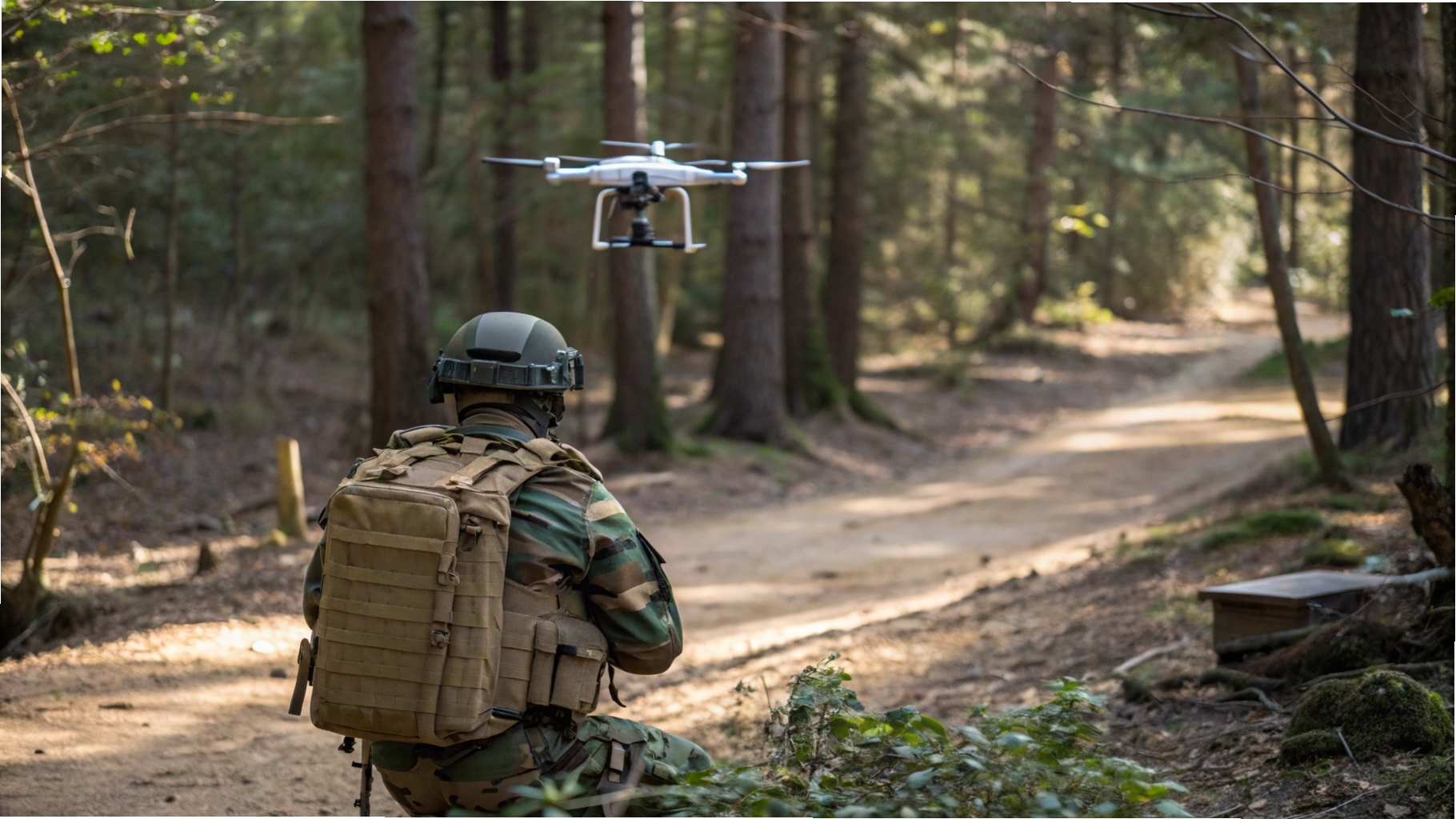
The research, published in Command Control & Simulation, emphasizes the threat posed by small, inexpensive drones—many of which can be built using commercial technology—that could overwhelm traditional naval protection systems.
At the same time, Beijing is advancing its own swarm and mothership capabilities. In 2022, it introduced the Zhu Hai Yun, a 290-foot (88-meter) unmanned vessel designed to launch drones, surveillance systems, and other unmanned platforms. The ship, with a top speed of 18 knots (33 kilometers per hour), can operate autonomously at sea or be remotely controlled near ports.
In 2024, China unveiled Jiu Tian, an airborne mothership capable of deploying up to 100 kamikaze drones. The aircraft can reach 435 miles (700 kilometers) per hour, carry up to 6.6 tons (14,550 pounds), and travel 4,350 miles (7,000 kilometers). Equipped with electro-optical/infrared sensors and a surface-scanning radar dome, it provides advanced targeting and reconnaissance.
Jiu Tian’s 82-foot (25-meter) wingspan, 52-foot (16-meter) length, and endurance of more than 12 hours enable a range of missions, including maritime surveillance, cargo transport, disaster relief, intelligence gathering, and weapons deployment.