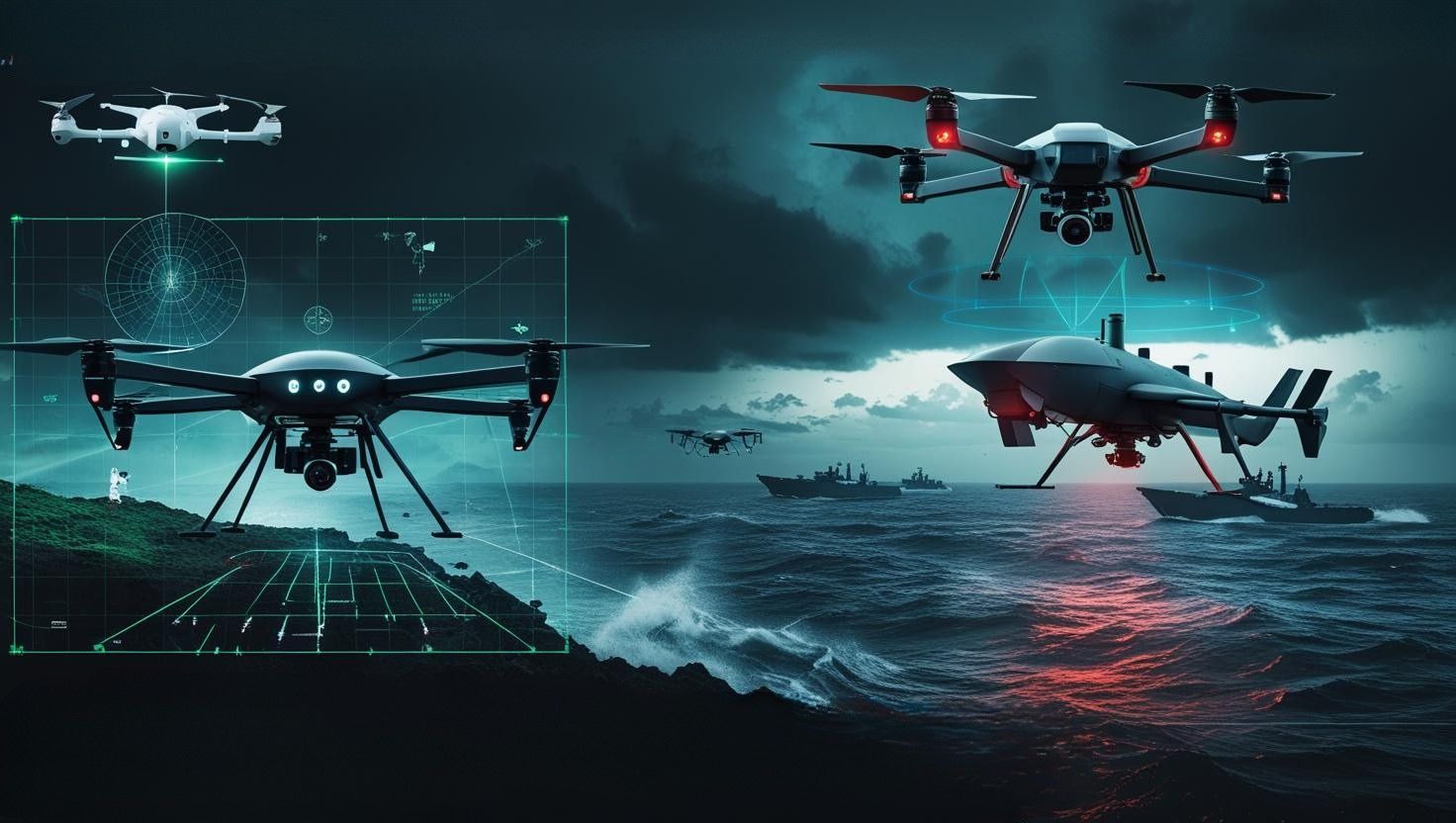
Project NYX has entered a critical development stage, with the UK Ministry of Defence selecting seven domestic companies to design loyal wingman drones intended to operate in close coordination with British Army Apache attack helicopters. The programme seeks to increase combat mass, improve platform survivability, and enhance operational freedom for Army aviation in contested environments.
The Ministry has contracted Anduril, BAE Systems, Leonardo, Lockheed Martin UK, Syos, Tekever, and Thales to develop prototype uncrewed aerial systems capable of supporting Apache AH-64E helicopters across a range of missions. These include reconnaissance and surveillance, strike, target acquisition, and electronic warfare. The selected teams, combining major defence primes with specialist technology firms, progressed through a competitive pre-qualification phase concluded in late 2025. A reduction to four teams is expected in March 2026, with demonstrator contracts to follow and an initial operational capability goal set for 2030.
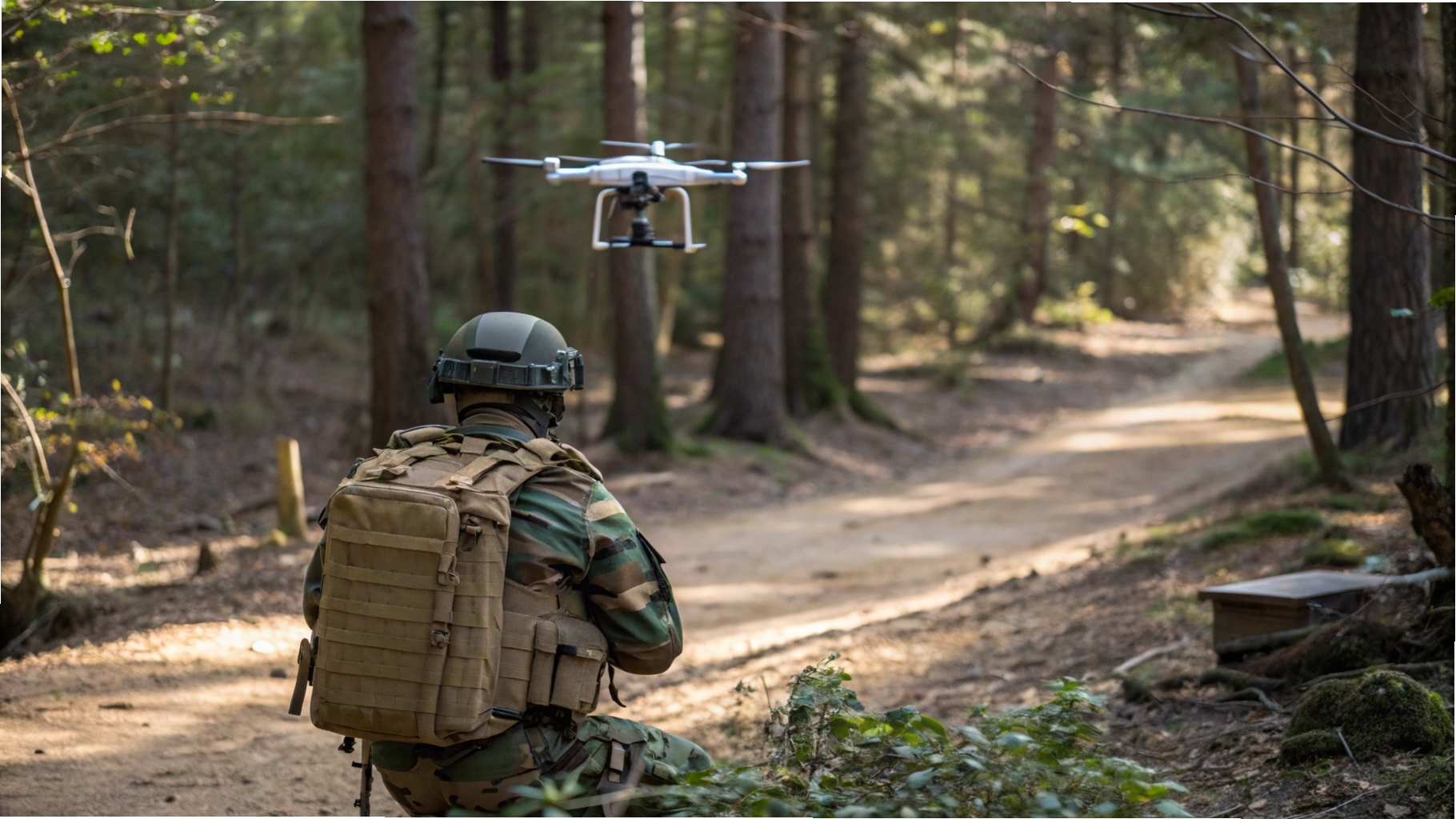
At its core, Project NYX is designed around manned–unmanned teaming optimized for rotary-wing operations. The concept prioritizes autonomy, with Apache crews issuing high-level intent rather than directly controlling the drones. This “command not control” philosophy aims to limit cockpit task saturation, shorten decision cycles, and allow uncrewed systems to continue operating effectively when communications are disrupted or deliberately constrained.
Operating alongside attack helicopters imposes unique demands on loyal wingman systems. Low-altitude, terrain-masked flight profiles often restrict line-of-sight communications, while electronic warfare and GPS denial are increasingly prevalent. As a result, Project NYX places strong emphasis on resilient datalinks, autonomous task execution, and seamless human–machine interfaces that translate additional sensor inputs into actionable insights. In operational terms, the drones are intended to assume higher-risk sensing and targeting roles, enabling Apache crews to remain masked and reposition for brief, decisive engagements, redistributing risk across the formation rather than replacing the crewed platform.