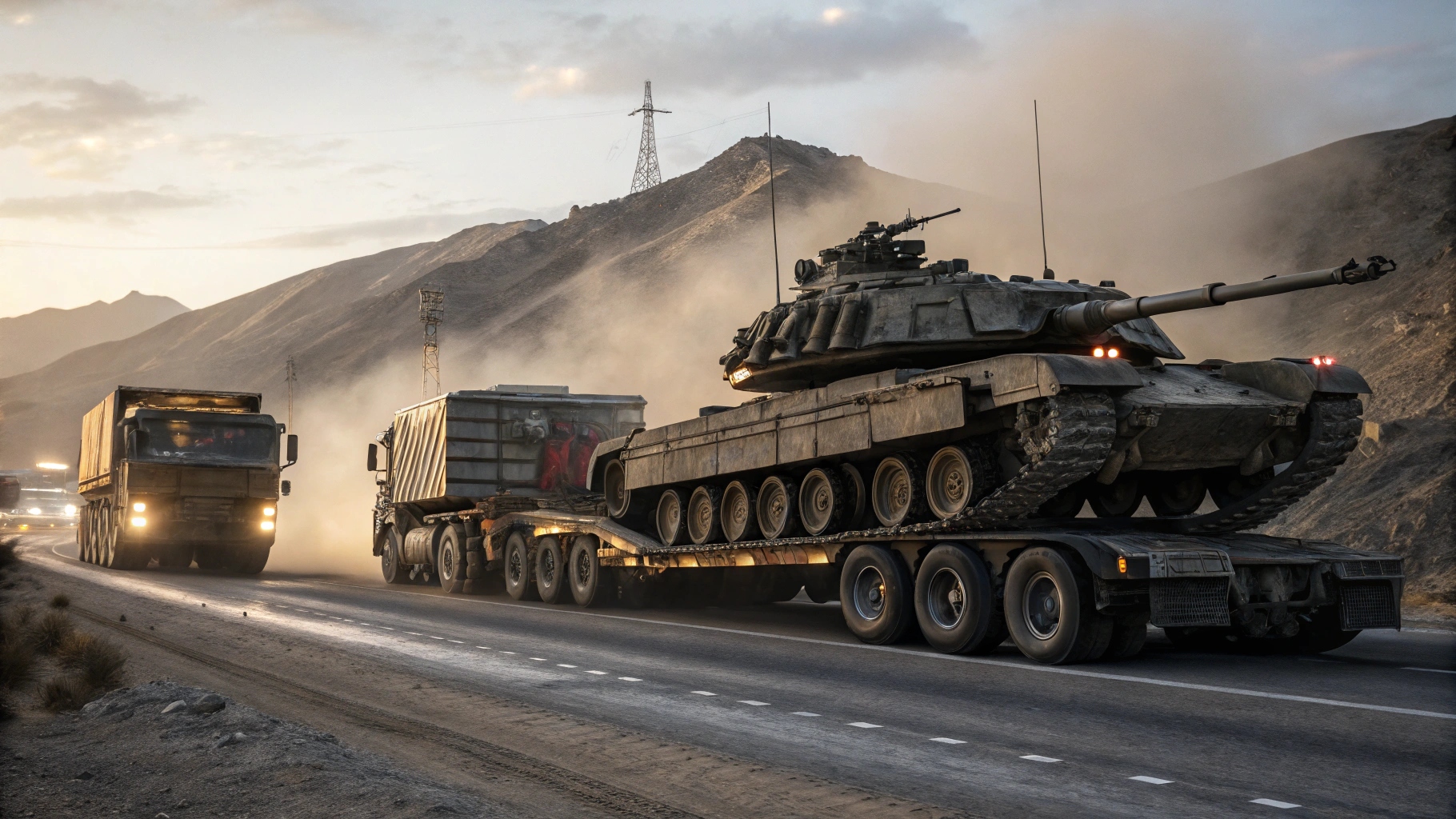
South Korea has officially started exporting a homegrown engine for the K2 Black Panther main battle tank, eliminating its previous reliance on German-made powerplants.
Known as the DV27K, the 1,500-horsepower diesel engine was jointly developed by the Agency for Defense Development and HD Hyundai Construction Equipment. It replaces the MTU MB873 engine from Germany, which had imposed export restrictions by requiring third-party approval for K2 sales.
The shift gives Seoul full autonomy over K2 exports, allowing the tank to be marketed and delivered overseas without external clearance.
The move follows recent contracts awarded to HD Hyundai, including an order to supply 116 engines for Poland’s second tranche of K2 tanks and a deal to become the sole engine supplier for Turkey’s upcoming Altay main battle tank. Interest from potential customers in Latin America and the Middle East has also been reported.
Development of the DV27K encountered significant technical hurdles. While early prototypes met power requirements, they struggled with sustained output, shock tolerance, and performance in harsh climates. These issues were addressed through extensive redesign efforts, endurance trials, and rigorous environmental testing.
The production-standard engine now delivers consistent performance across desert, cold-weather, and high-vibration conditions. It enables the 56-ton K2 to reach top speeds of up to 70 km/h and employs exhaust-gas-assisted air compression to enhance combustion efficiency and power output.
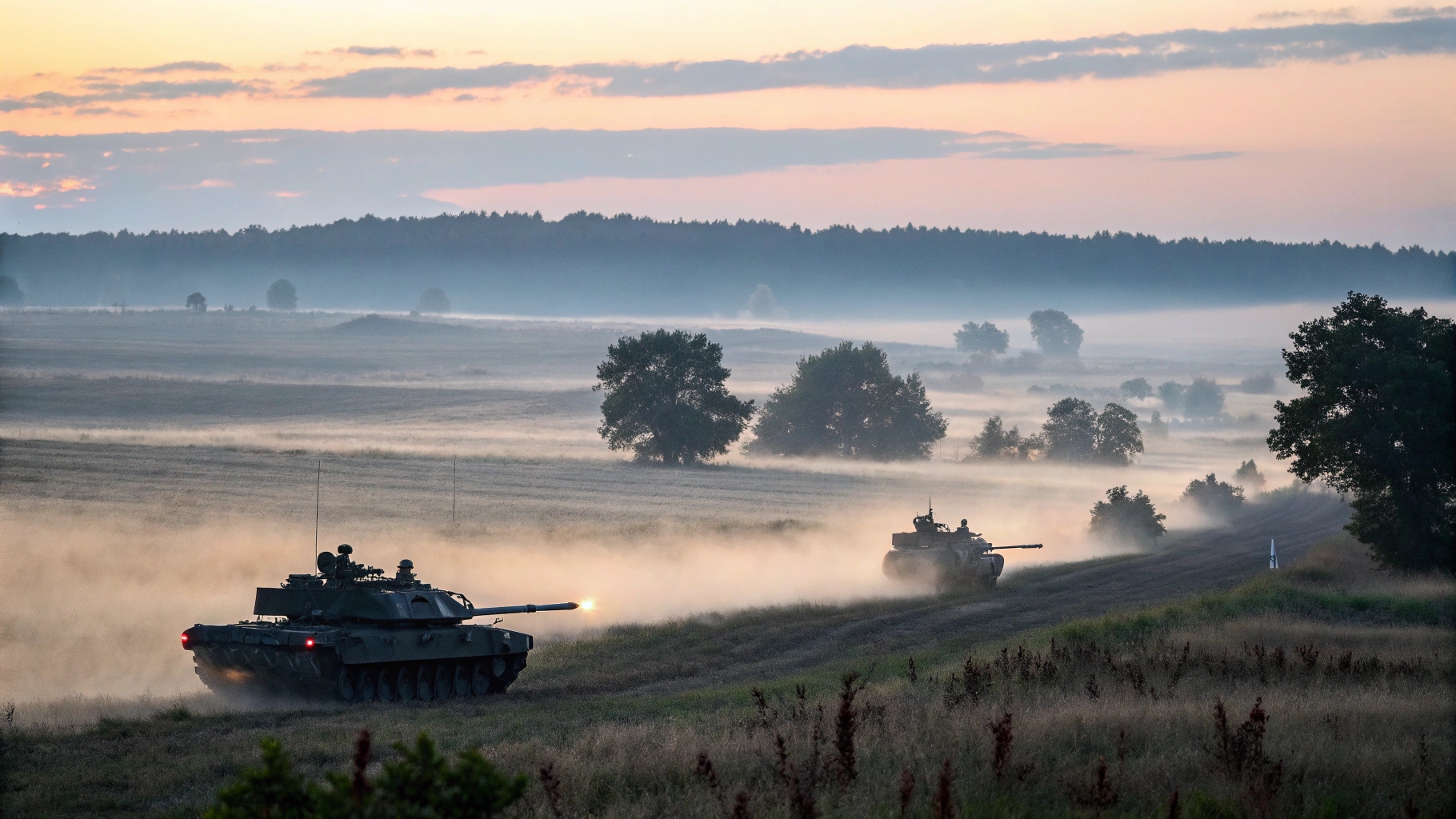
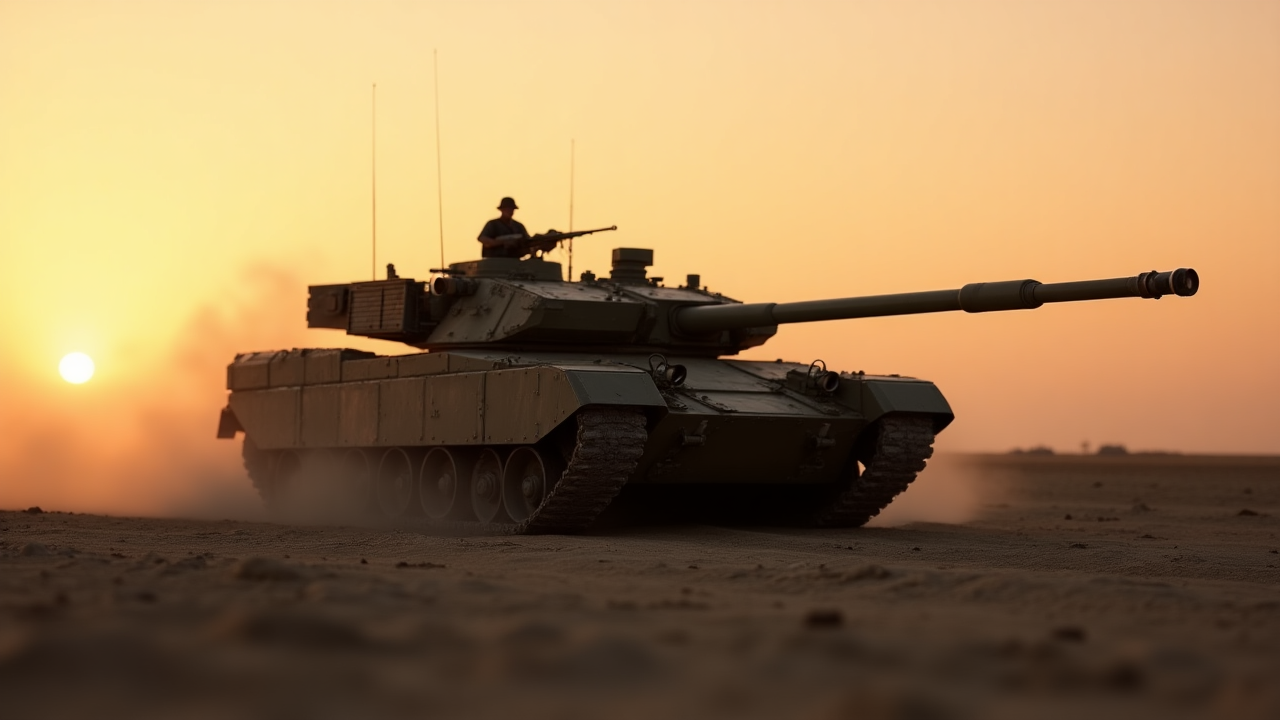
The K2 Black Panther represents South Korea’s most advanced armored combat vehicle, integrating firepower, protection, and mobility. Crewed by three personnel, it is equipped with a 120 mm smoothbore cannon featuring an automatic loader, complemented by multiple machine guns.
A sophisticated fire-control suite—combining radar, laser rangefinders, and thermal imaging—allows accurate engagement of targets while on the move, while onboard networking and navigation systems support enhanced situational awareness and coordinated operations.