
Boeing has secured a US Air Force contract to overhaul the C-17A Globemaster III cockpit, reinforcing the aircraft’s role as a cornerstone of America’s strategic airlift capability for decades ahead.
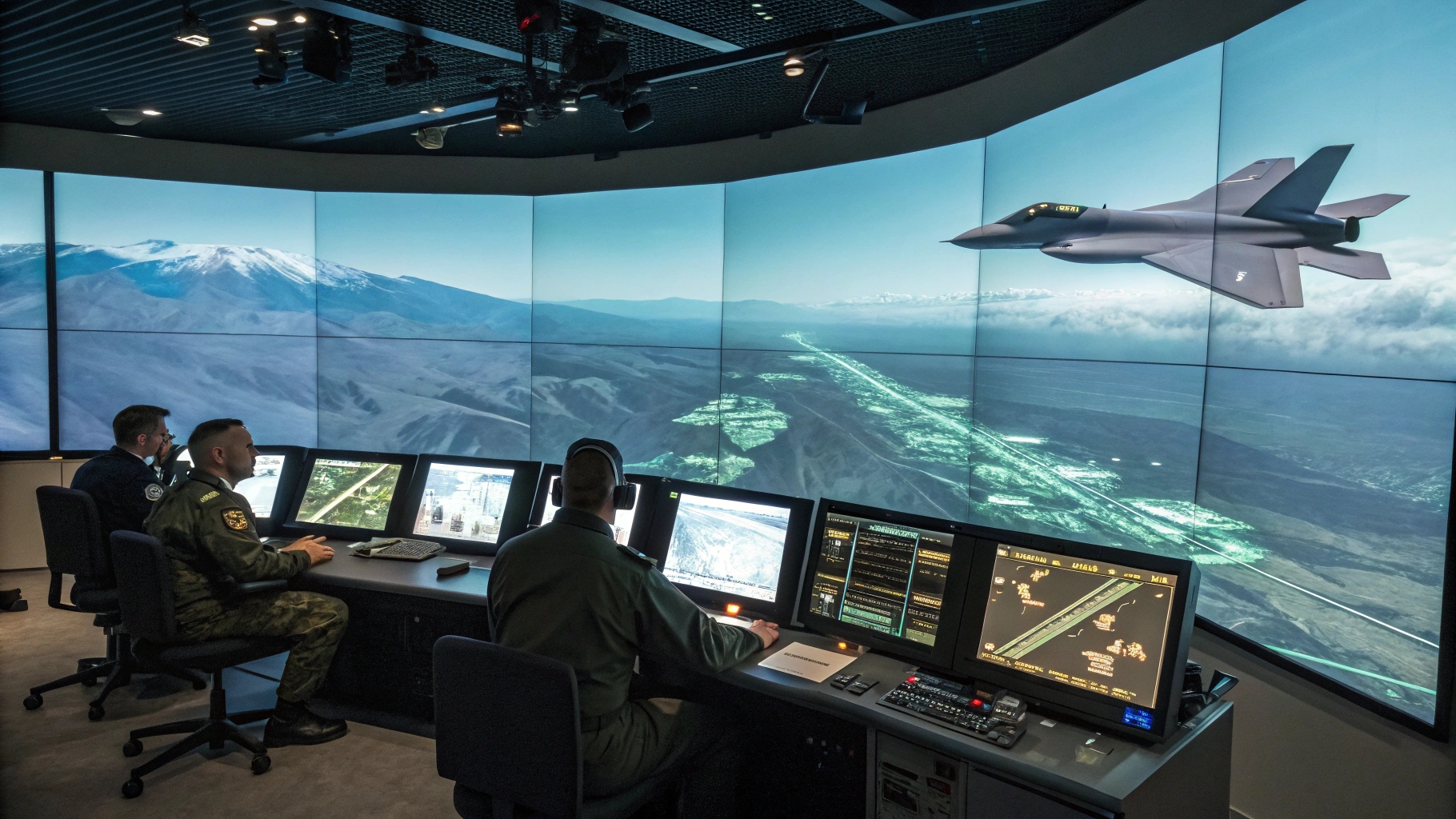
The contract encompasses the development, integration, qualification, and certification of next-generation avionics and mission systems. The upgrade will replace aging flight deck components with modern equipment built around a Modular Open Systems Architecture (MOSA), providing scalable, plug-and-play functionality that simplifies future capability enhancements.
Curtiss-Wright Corporation has been chosen by Boeing to deliver new mission computers as part of the upgrade package.
The modernization effort is designed to eliminate avionics obsolescence while ensuring the Globemaster III remains a dependable, high-performance heavy airlifter capable of adapting to evolving mission demands.
About the C-17A Globemaster III
Operational for nearly three decades, the C-17A conducts tactical and strategic airlift missions, including cargo transport, paratroop deployment, and medical evacuation. The aircraft can haul up to 170,900 pounds of payload or carry up to 100 paratroopers, facilitating rapid global force projection.
Crewed by two pilots and a loadmaster, the C-17 is powered by four Pratt & Whitney PW2000 turbofan engines. It achieves speeds of up to 450 knots, operates at altitudes up to 45,000 feet, and offers a range of 2,420 nautical miles.
The US Air Force operates more than 200 C-17 aircraft across its active, Guard, and Reserve components.
Looking ahead, the Air Force plans to keep the platform in service until 2070, while assessing upgrades such as new engines. A formal study for a replacement under the Next Generation Airlift initiative is expected in 2027, with production timelines potentially starting in 2038.