
India has narrowed its fifth-generation fighter competition to three consortia of domestic private and public-sector firms, effectively sidelining Hindustan Aeronautics Limited (HAL) from participation in the country’s first next-generation combat aircraft program.
The decision is reportedly driven by HAL’s overextended production commitments, with its order book estimated at nearly eight times annual revenue, limiting its ability to absorb another major development project. The move represents a historic departure from tradition, marking the first time HAL will not be part of a flagship aircraft development effort.
Media reports indicate the shortlisted bidders include a consortium led by Larsen & Toubro with Bharat Electronics Limited and Dynamatic Technologies, Tata Advanced Systems Limited (TASL) as a standalone bidder, and Bharat Forge partnered with BEML and Data Patterns.
A total of seven companies initially competed for the ₹150-billion ($1.66 billion) contract to produce five AMCA prototypes under the Advanced Medium Combat Aircraft program. The final selection will be based on a lowest-cost evaluation, with the winner expected to be announced within three months.
The successful consortium will collaborate with the Aeronautical Development Agency (ADA) to develop the prototypes and one structural test specimen by 2031.
Development is expected to conclude by 2034, followed by series production and operational induction starting from 2035.
The Indian Air Force plans to field around 120 AMCA aircraft, beginning with 40 Mk-1 fighters powered by the GE F414 engine, while later Mk-2 versions will incorporate a higher-thrust powerplant developed through an Indian-foreign partnership.
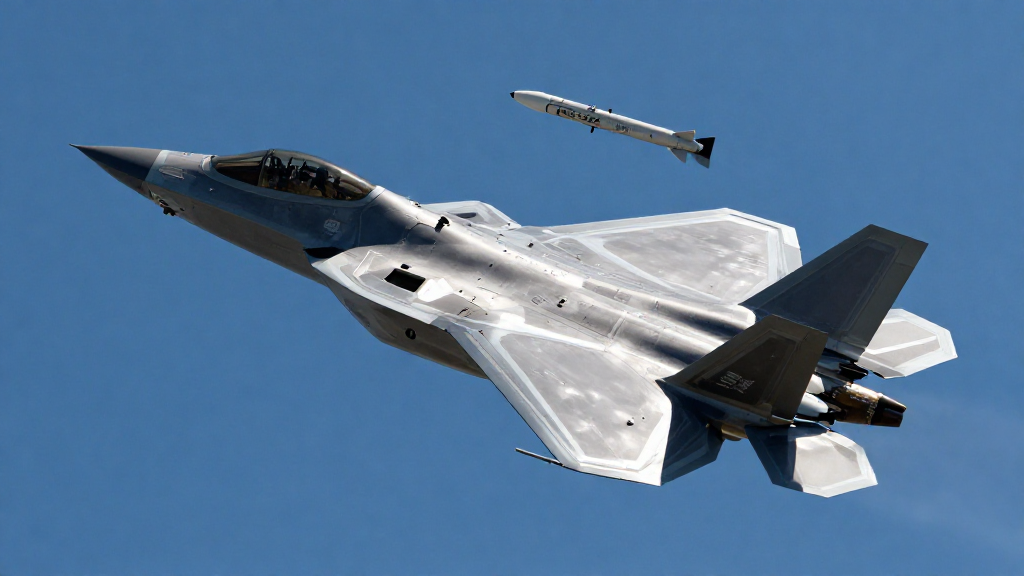
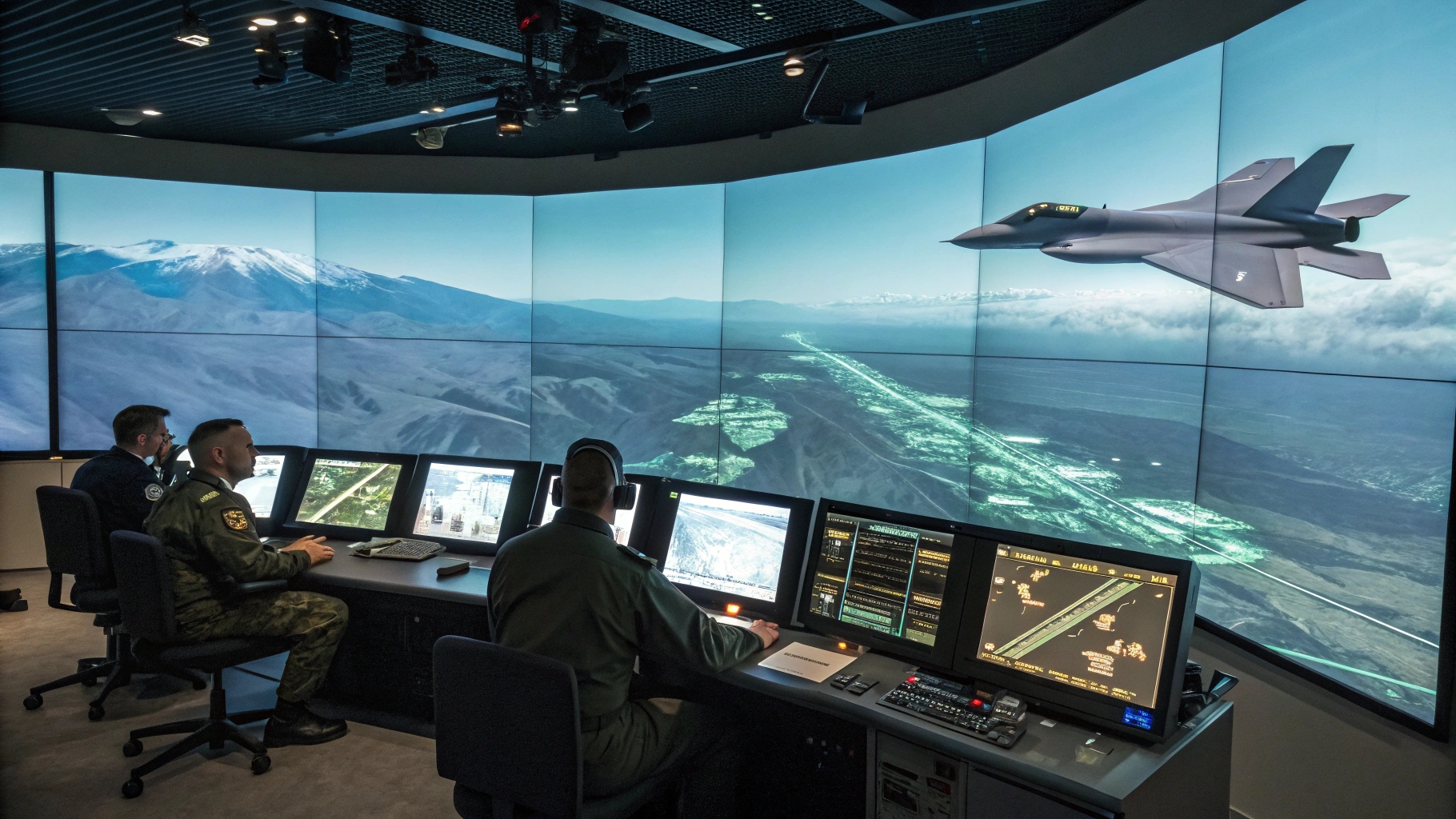
The medium-weight, twin-engine stealth platform will feature a low-observable design, internal weapons carriage, and sensor-fusion architecture, supporting missions across air dominance, close-in engagements, and long-range precision strike.
The aircraft is expected to supercruise at speeds approaching Mach 2 while carrying a payload of approximately 1.5 tonnes.