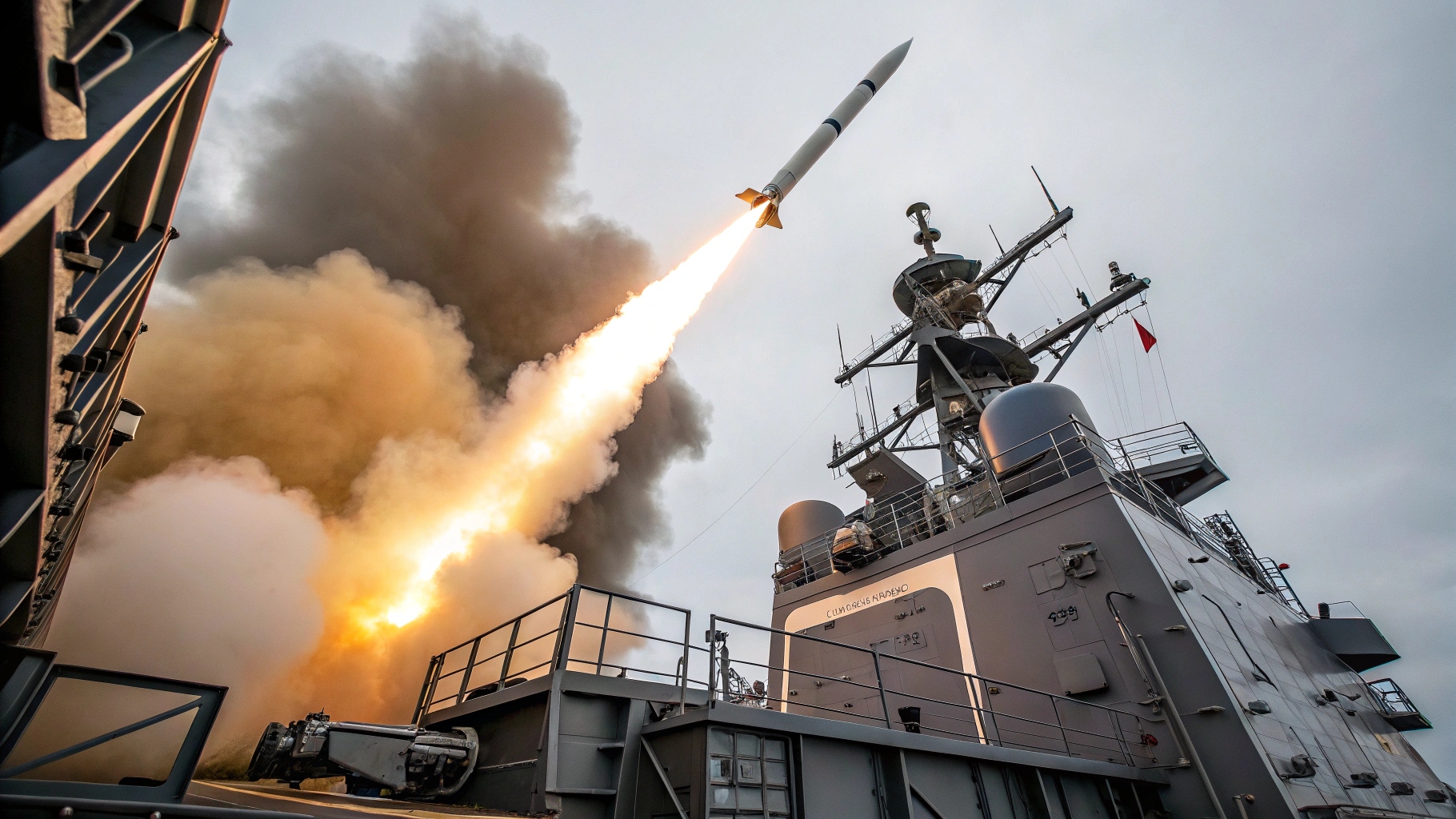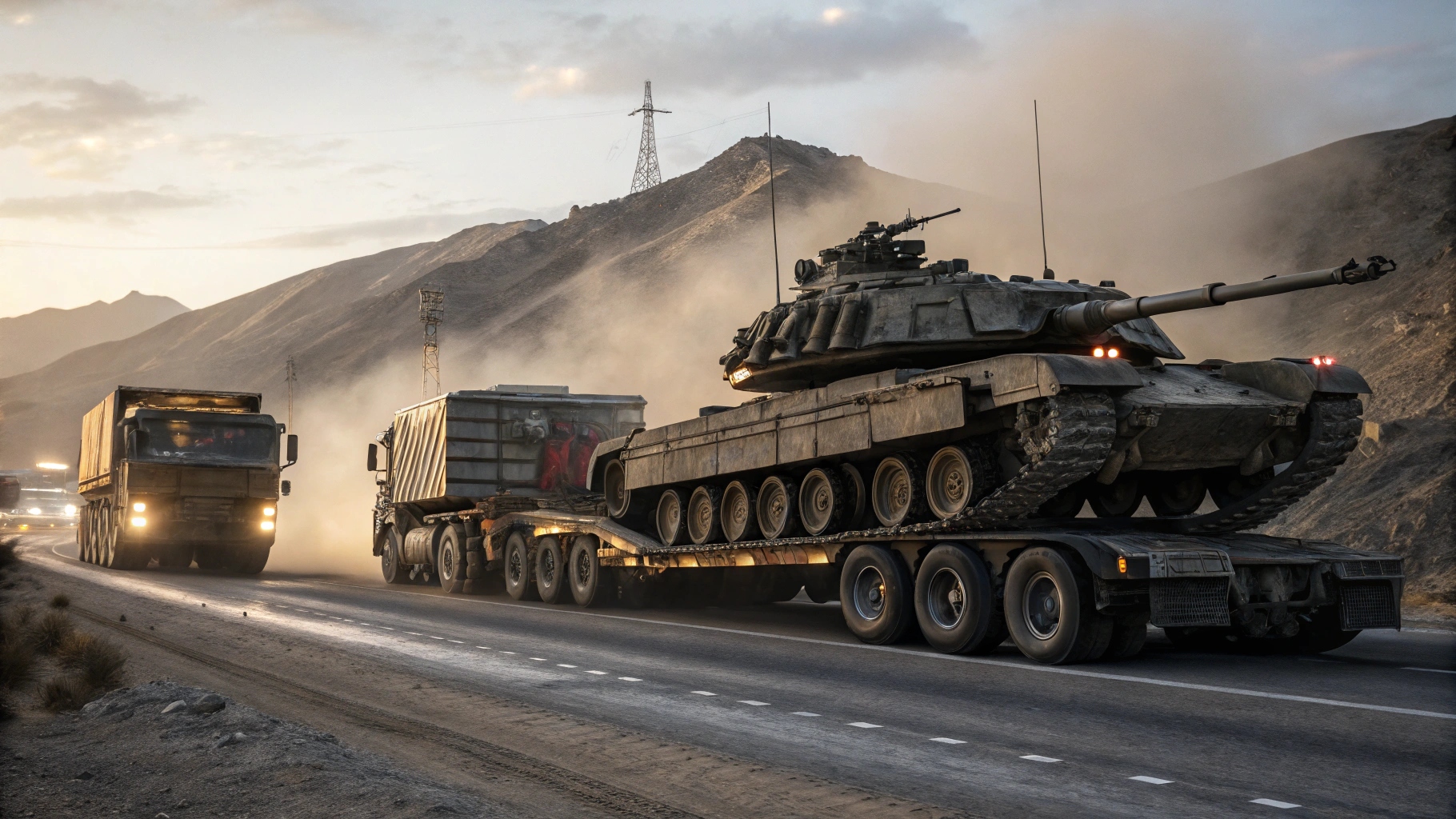

Taiwan’s defense ministry has outlined the weapons and capabilities to be funded under its proposed 1.25-trillion-NTD ($40-billion) special defense budget, providing new insight into the scope of the island’s military modernization plans.
The budget proposal, unveiled by Taiwan’s president in November 2025 and covering the 2026–2033 period, is aimed at reinforcing national defense, expanding domestic production capacity, and countering the growing threat posed by China.
According to the Ministry of National Defense, the procurement package spans seven major capability areas, including precision fires, long-range strike weapons, uncrewed and counter-drone systems, missile and air-defense assets, AI-enabled command tools, sustainment and wartime manufacturing capacity, and Taiwan-US co-developed systems.
The publication followed a closed-door briefing with lawmakers from the Foreign Affairs and National Defense Committee and was intended to address transparency concerns that had led opposition parties—the KMT and TPP—to block the legislation on multiple occasions.
Some elements of the plan overlap with capabilities approved by Washington under an $11-billion foreign military sales package in December 2025. Of the total funding, around 300 billion NTD ($9.4 billion) is set aside for indigenous programs, while most of the remaining funds will support overseas procurement, particularly from the United States.
Precision artillery represents the largest investment, anchored by the acquisition of 60 M109A7 self-propelled howitzers, more than 4,000 precision munitions, ammunition resupply and recovery vehicles, and associated support equipment.
Long-range strike capabilities follow, including 82 HIMARS launchers, over 1,200 precision rocket pods, and 420 tactical missiles.
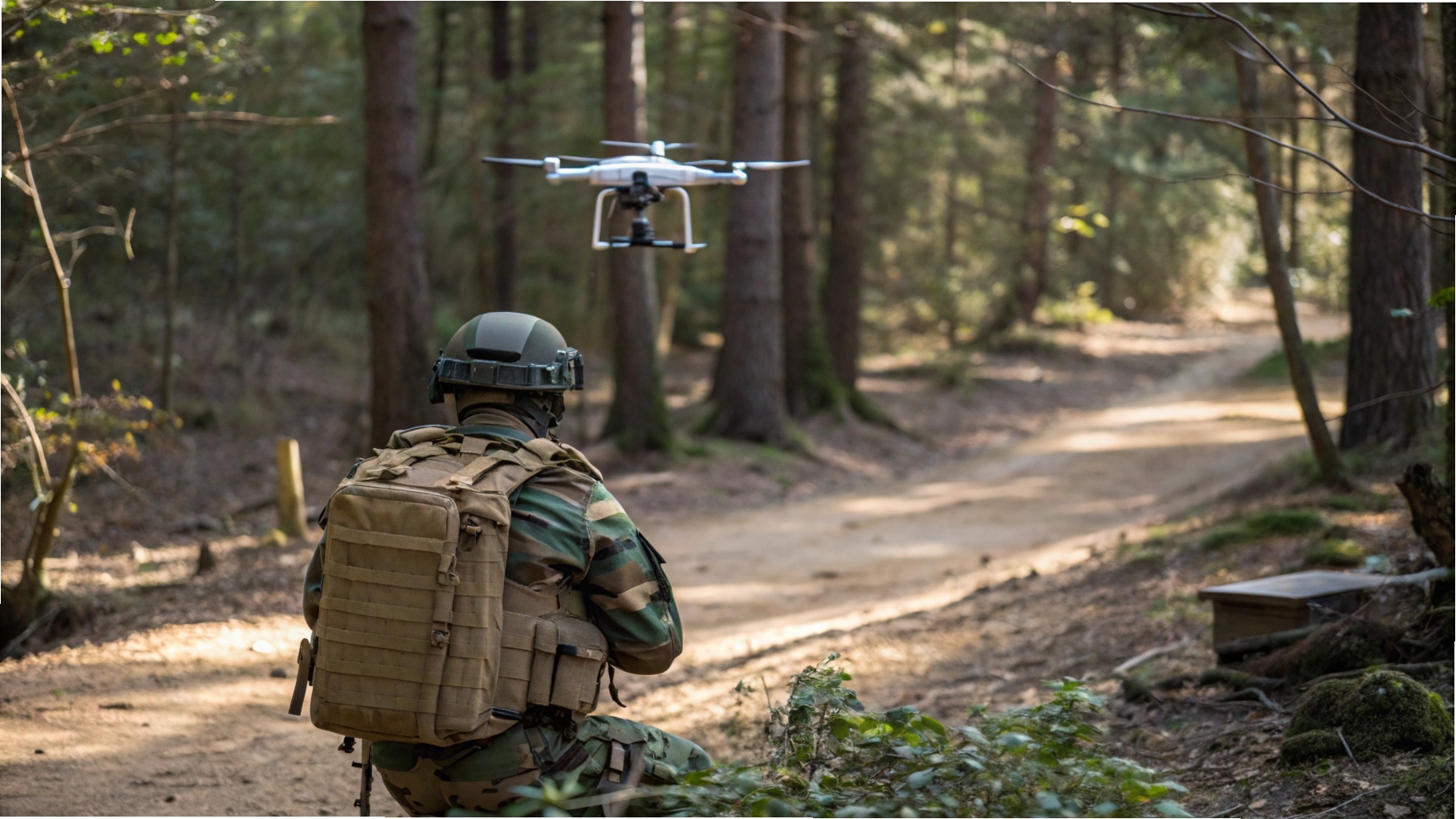
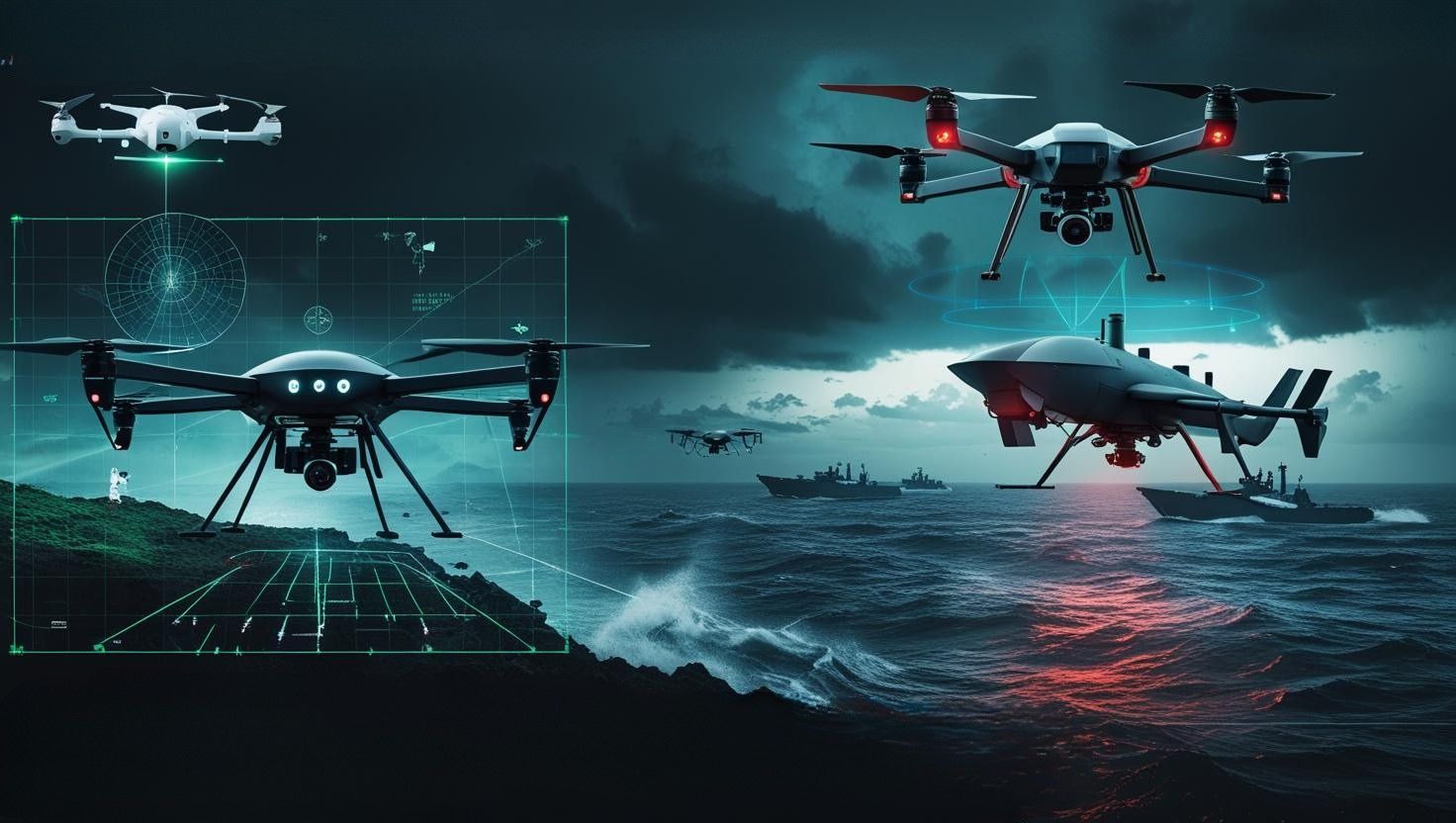
A third tranche focuses on unmanned systems, with plans to procure 1,554 Altius-700M loitering munitions, 478 Altius-600ISR drones, roughly 200,000 UAVs for coastal surveillance and strike missions, more than 1,000 uncrewed surface vessels, and systems designed to counter hostile drones.
Missile and anti-armor systems form another key area, covering Javelin and TOW-2B missile systems along with their associated munitions.
AI-enabled military capabilities constitute the fifth category, encompassing decision-support software, tactical communications networks, and tools designed to accelerate intelligence fusion and dissemination.
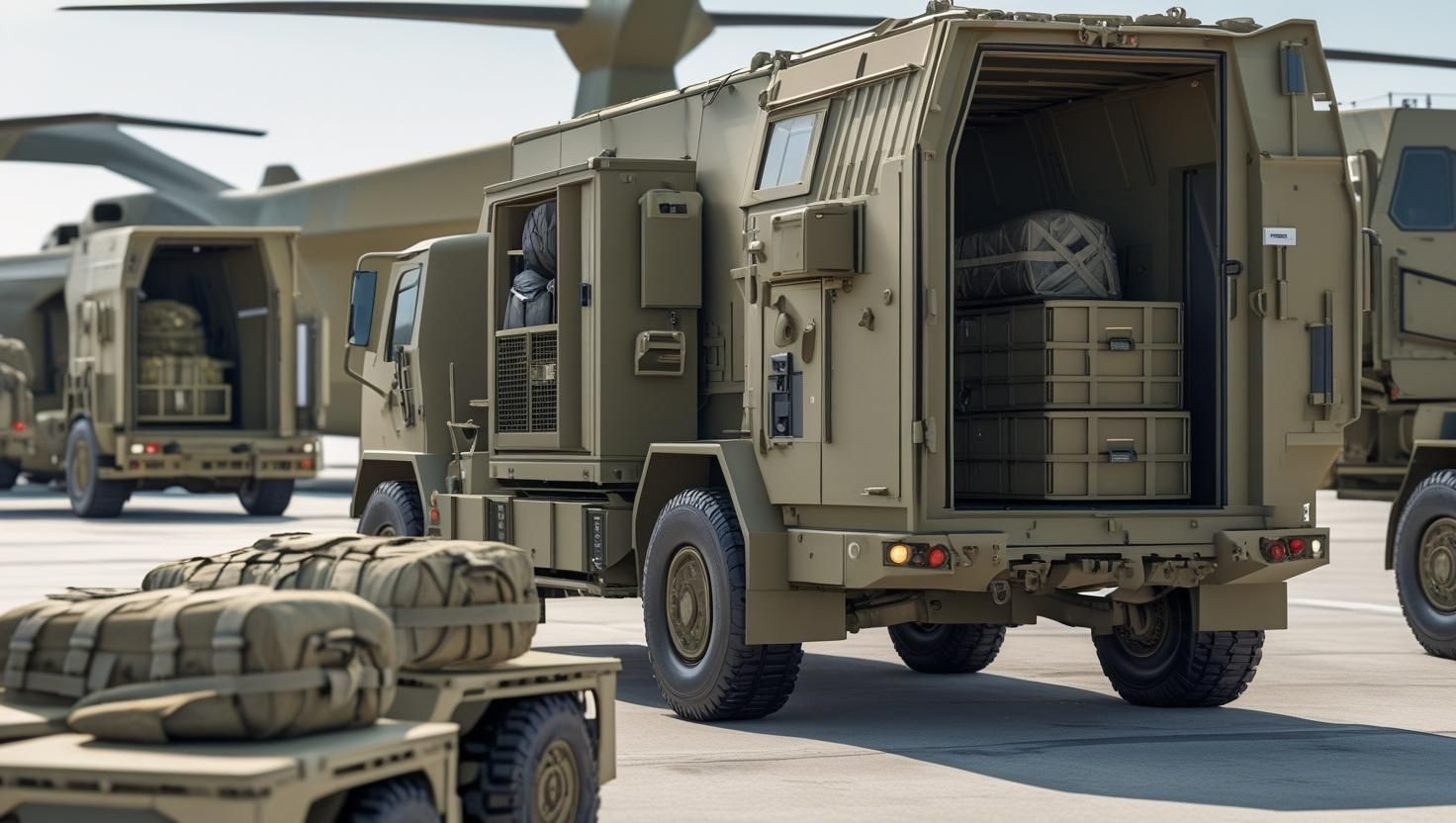
The sixth area targets sustainment and wartime production, including expanded domestic manufacturing of ammunition, explosives, propellants, armored vehicles, protective equipment, night-vision systems, and mobile area-denial assets.
Rounding out the package are Taiwan-US co-development and co-production programs intended to accelerate access to emerging technologies and strengthen asymmetric warfare capabilities. The budget also includes funding for urgent ammunition purchases—such as tank and autocannon rounds—to boost readiness levels and support training requirements ahead of increased domestic output.