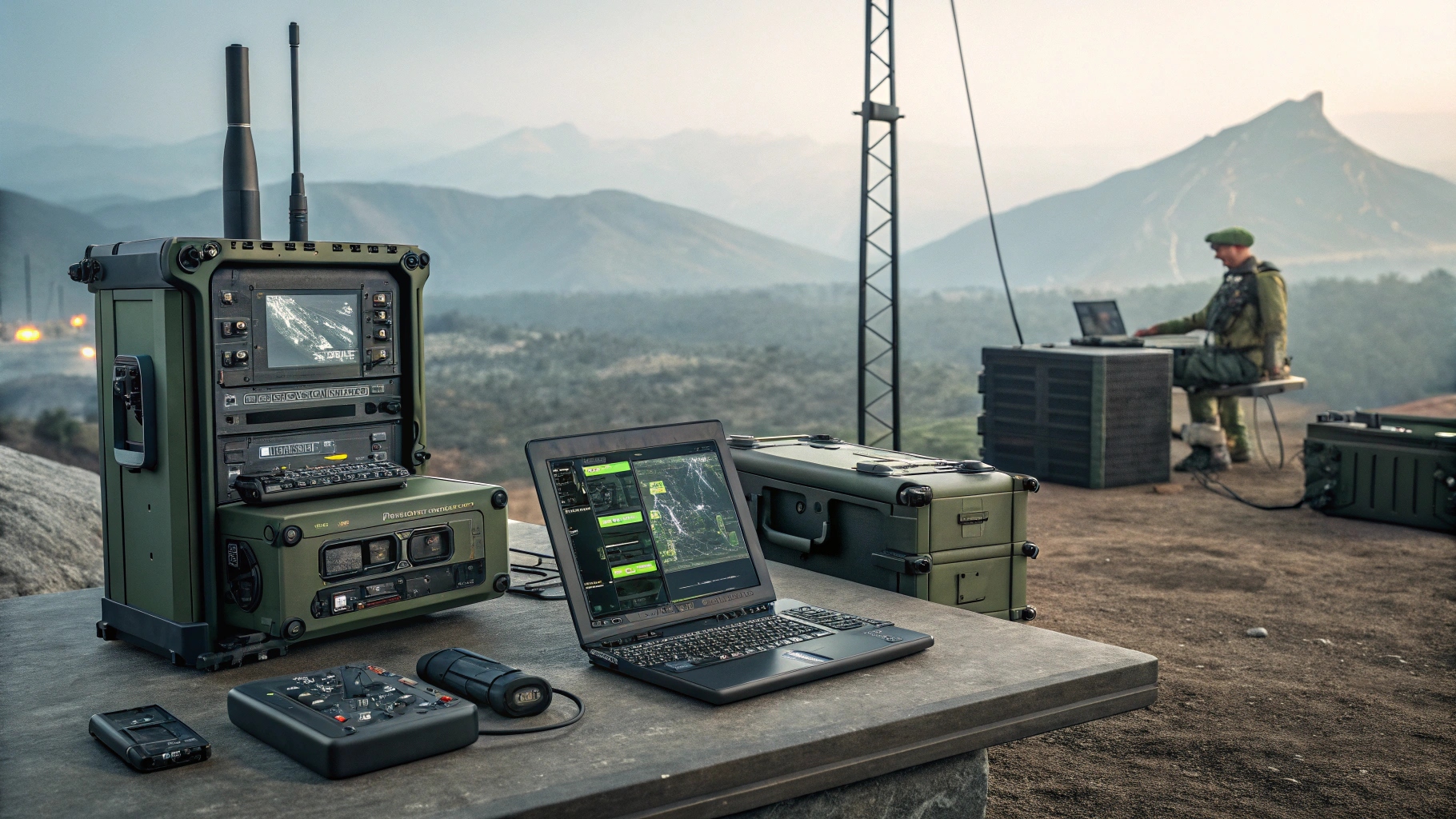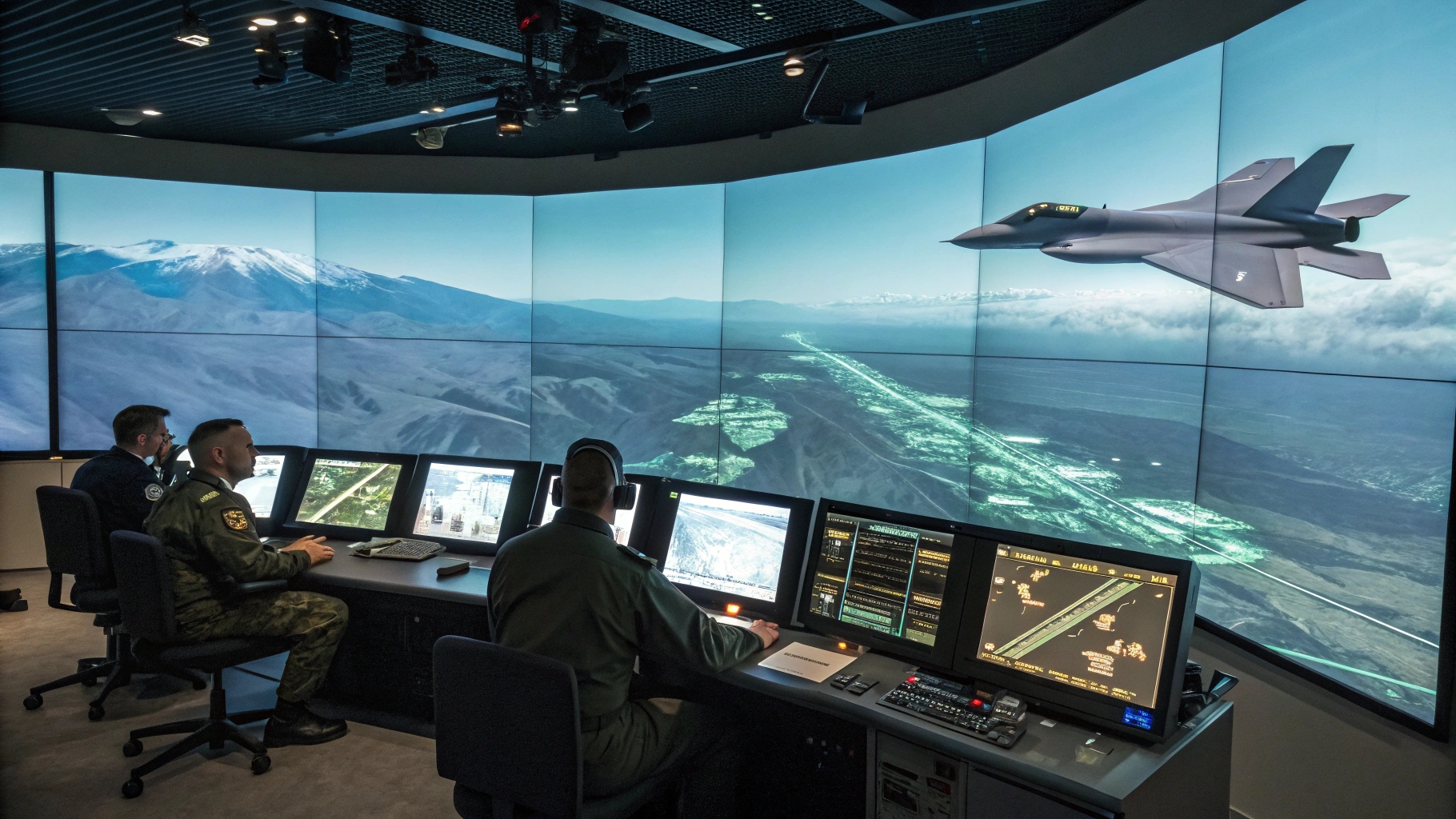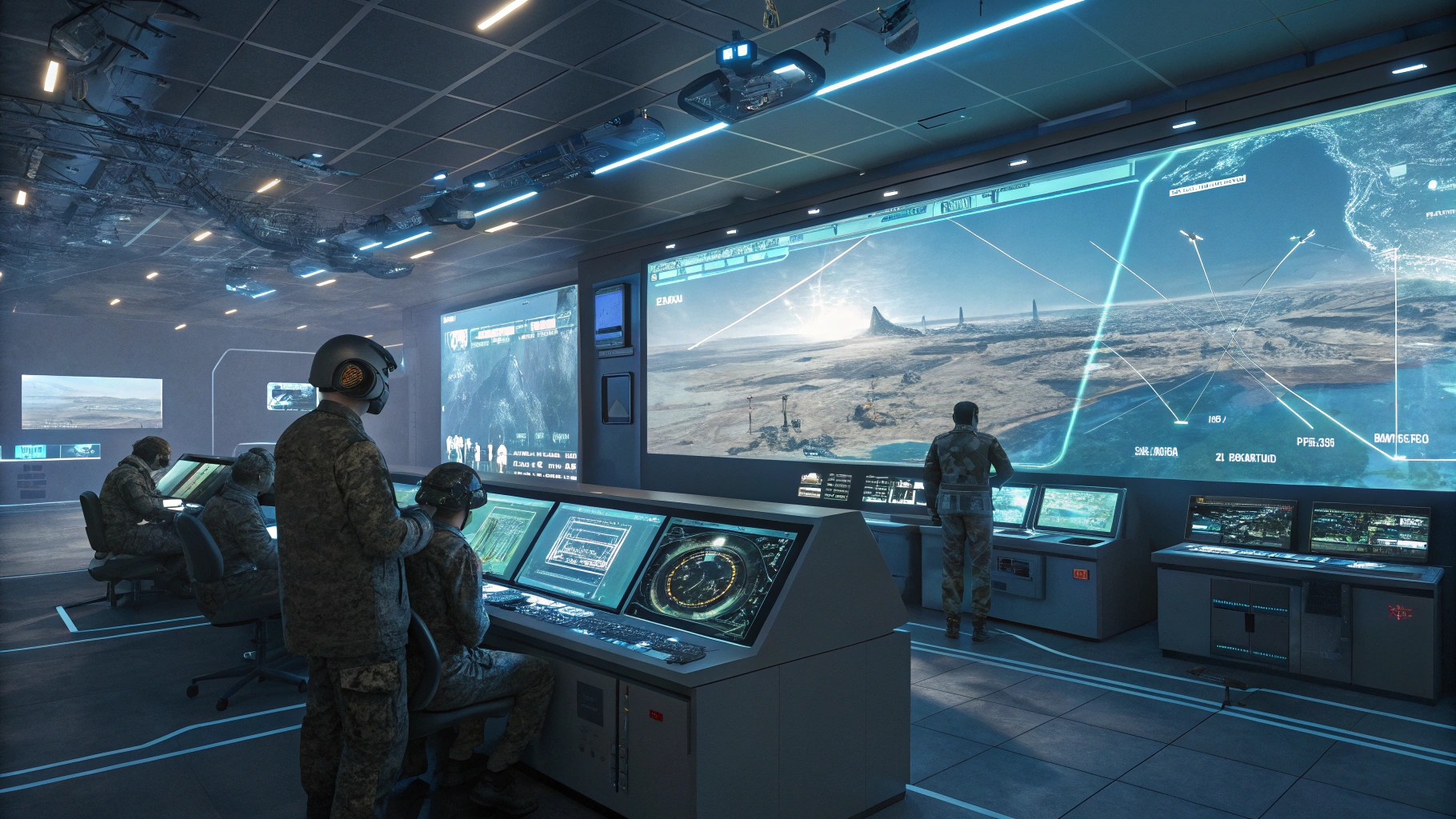

The Royal Navy destroyer HMS Duncan successfully defeated multiple drone threats across air and surface domains during an advanced blended live and virtual exercise held off MOD Aberporth. Organized in partnership with Fleet Operational Standards and Training and executed by QinetiQ, the scenario integrated live aerial drones, simulated missile threats, and uncrewed surface vessels to recreate the complexity of a contemporary swarm assault. Designed by Inzpire, the training event confronted the ship’s crew with hostile UAV profiles, simulated cruise and anti-ship ballistic missiles, and enemy aircraft. Throughout the operation, Duncan’s combat systems intercepted five airborne targets and sank two Hammerhead uncrewed surface craft, validating its multi-layered defensive performance.
At the strategic level, the UK continues to enhance its counter-drone capabilities. The Ministry of Defence disclosed in early 2026 that it would trial fast-response drone interceptors built to counter increasingly agile and high-speed unmanned aircraft that challenge existing short-range air defence networks. Complementing these kinetic measures, Britain is investing in directed energy and electronic warfare solutions. In April 2025, officials highlighted progress on a high-power microwave drone weapon prototype designed to disable enemy UAVs at distance, underscoring a growing emphasis on non-kinetic defences. Additionally, a December 2024 British Army test of a radiowave jamming system demonstrated the ability to disrupt drone communications without conventional munitions, expanding options for layered drone defence.